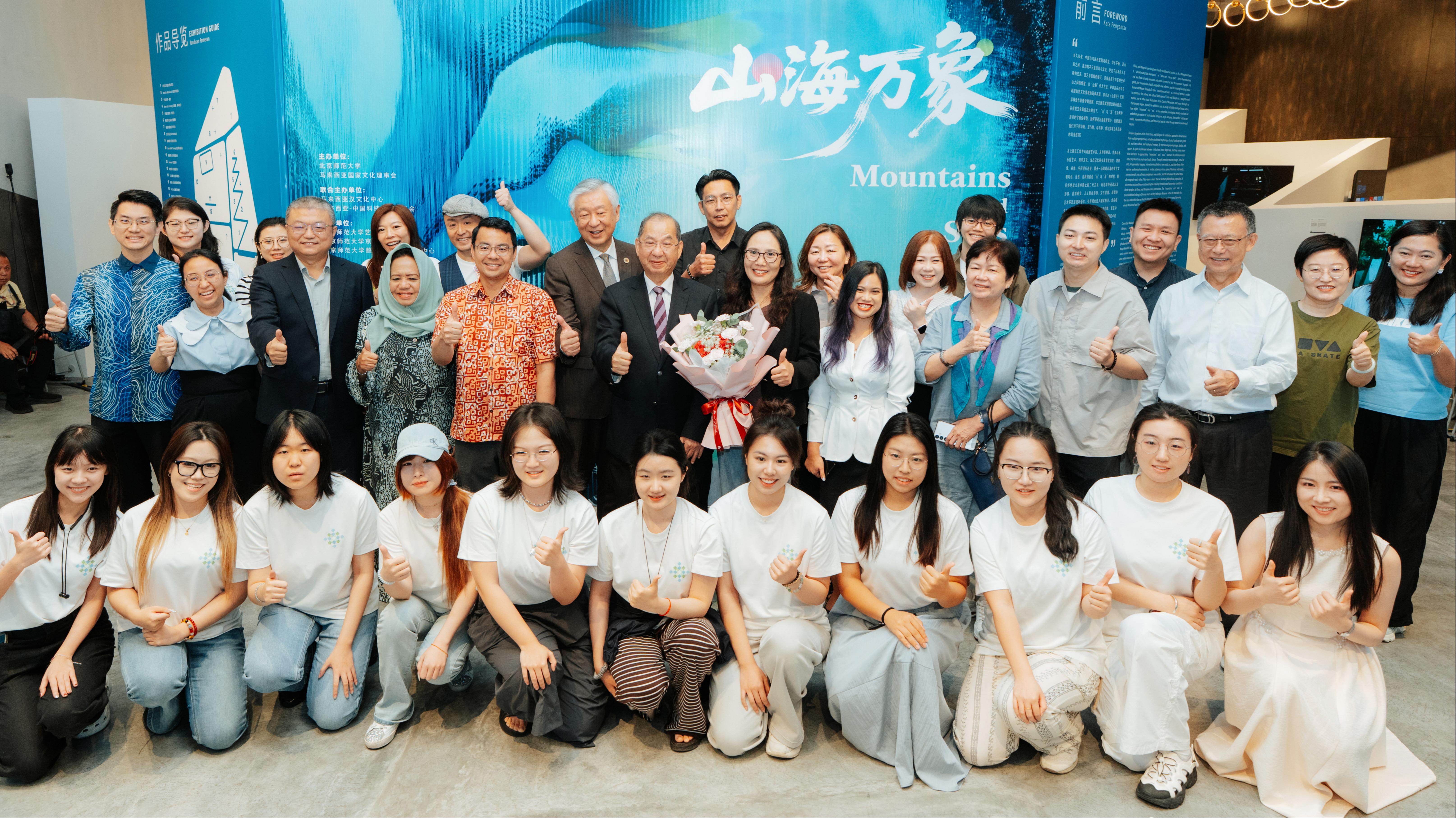

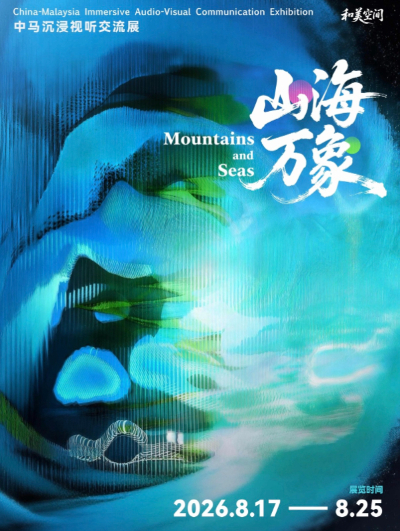
"Mountains and Seas: China-Malaysia Immersive Audio-Visual Communication Exhibition" Concludes in Kuala Lumpur
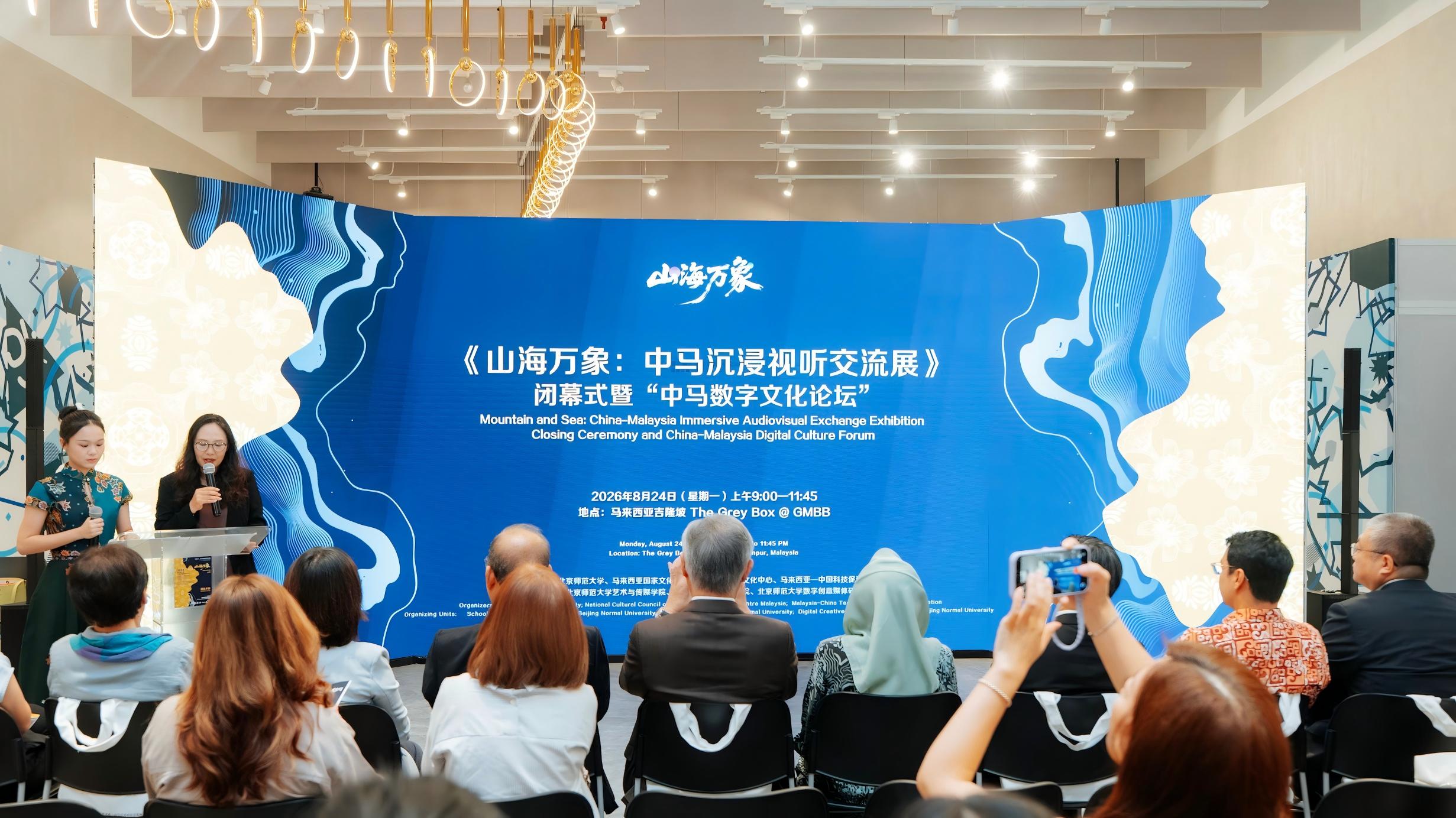
On August 24, the closing ceremony of the "Mountains and Seas: China-Malaysia Immersive Audio-visual Communication Exhibition" and the "China-Malaysia Digital Culture Forum" were held in Kuala Lumpur, Malaysia. Guests, experts and scholars, artists, and young students from the cultural, artistic, educational, and technological sectors of China and Malaysia gathered at the venue to review the exhibition's achievements and engage in in-depth discussions on cultural exchange and industrial collaboration in the context of digital technology. The exhibition was organized by Beijing Normal University(BNU)and the National Cultural Council of Malaysia, co-organized by Han Culture Centre Malaysia and the Malaysia-China Technology Promotion Association, and undertaken by the School of Arts and Communication, the Institute of Chinese Culture | Jingshi Academy, and the Digital Creative Media Research Center at BNU. Since its opening on August 17, the exhibition attracted over 5,000 visitors from nearly 20 countries and regions worldwide within just a few days.
At the closing ceremony, speeches were delivered by Chua Choon Hwa, Deputy Secretary-General of the Ministry of Tourism, Arts and Culture of Malaysia; Kang Zhen, Vice President of BNU; Hu Zhifeng, Dean of the School of Arts and Communication of BNU; YB Lee Chean Chung, Member of Parliament of Malaysia and Chairman of the Malaysia-China Technology Promotion Association; Dato' Goh Hin San, Chairman of Han Culture Centre Malaysia; YB Senator Tan Sri Dato' Low Kian Chuan, Chairman of the Malaysia-China Business Council; and Tan Sri Hajah Norliza Rofli, Chairman of the National Cultural Council of Malaysia. The closing ceremony was moderated by Zhou Wen, Curator of the exhibition and Head of the Department of Digital Media at the School of Arts and Communication, Beijing Normal University.
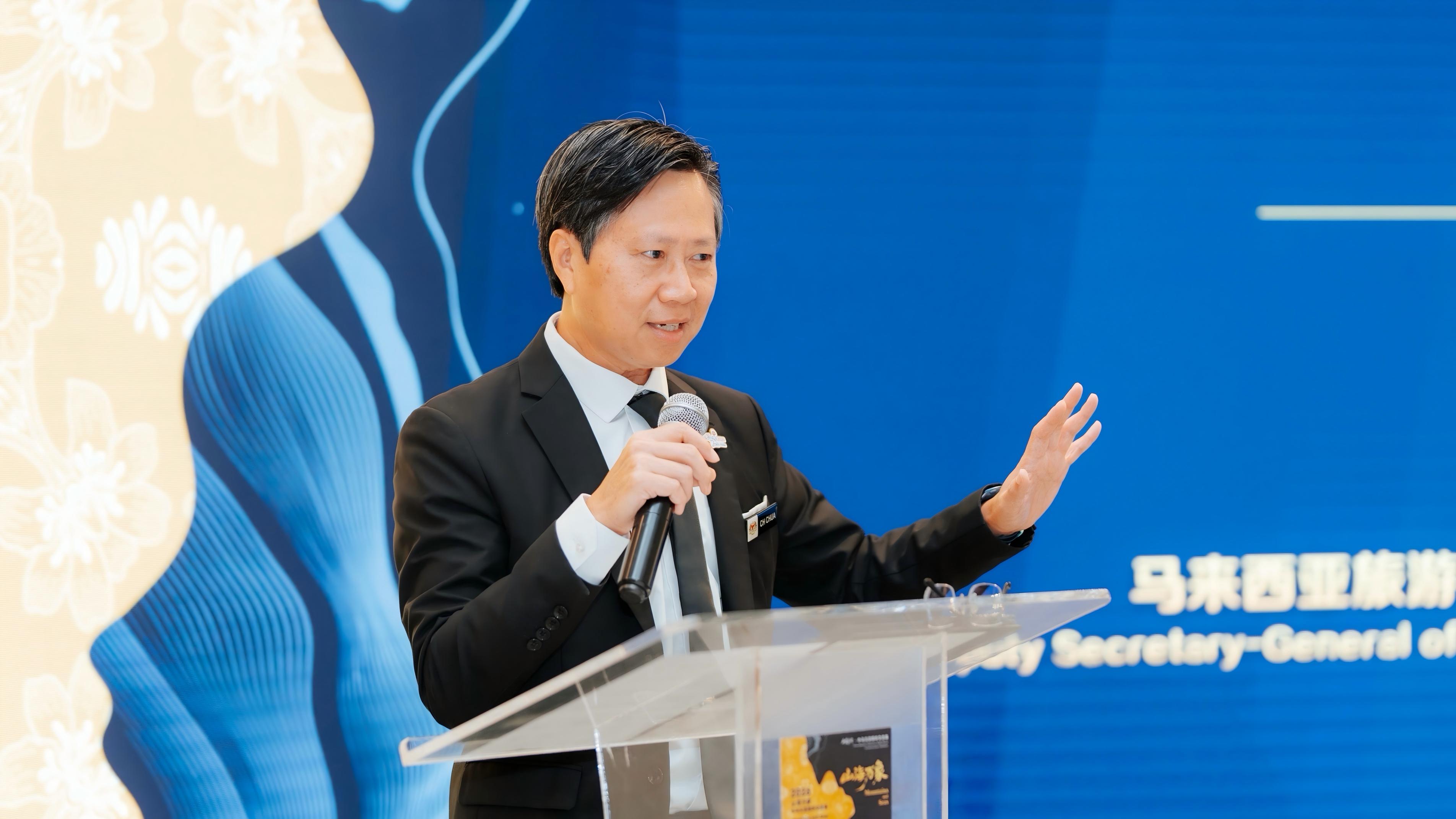
Chua Choon Hwa noted that the exhibition brought digital artistic expressions from China and Malaysia together in Kuala Lumpur. He pointed out that Malaysia is not only the host of this exhibition but also an active participant in cultural dialogue. Digital technology is continuously transforming the ways in which culture is created, preserved, and disseminated, while offering new pathways for the younger generation to re-understand, engage with, and create culture. He expressed his hope for more young Chinese and Malaysian artists, students, and creative talents to sustain collaboration through art, technology, education, and other means in the future.
In his video address, Kang Zhen stated that BNU has always taken as its mission the preservation of civilization, service to society, and global communication. In recent years, the university has steadily advanced mutual learning among civilizations, people-to-people exchange and cooperation, and the dissemination of digital creative culture. He emphasized that the participation of young people from China and Malaysia in joint creative endeavors has infused cultural exchanges with more dynamic content. He expressed the hope that, building on this exhibition, the university would establish sustained cooperation with Malaysian government agencies, universities, cultural institutions, and artists in areas such as talent cultivation, joint creation, academic research, and cultural dissemination.
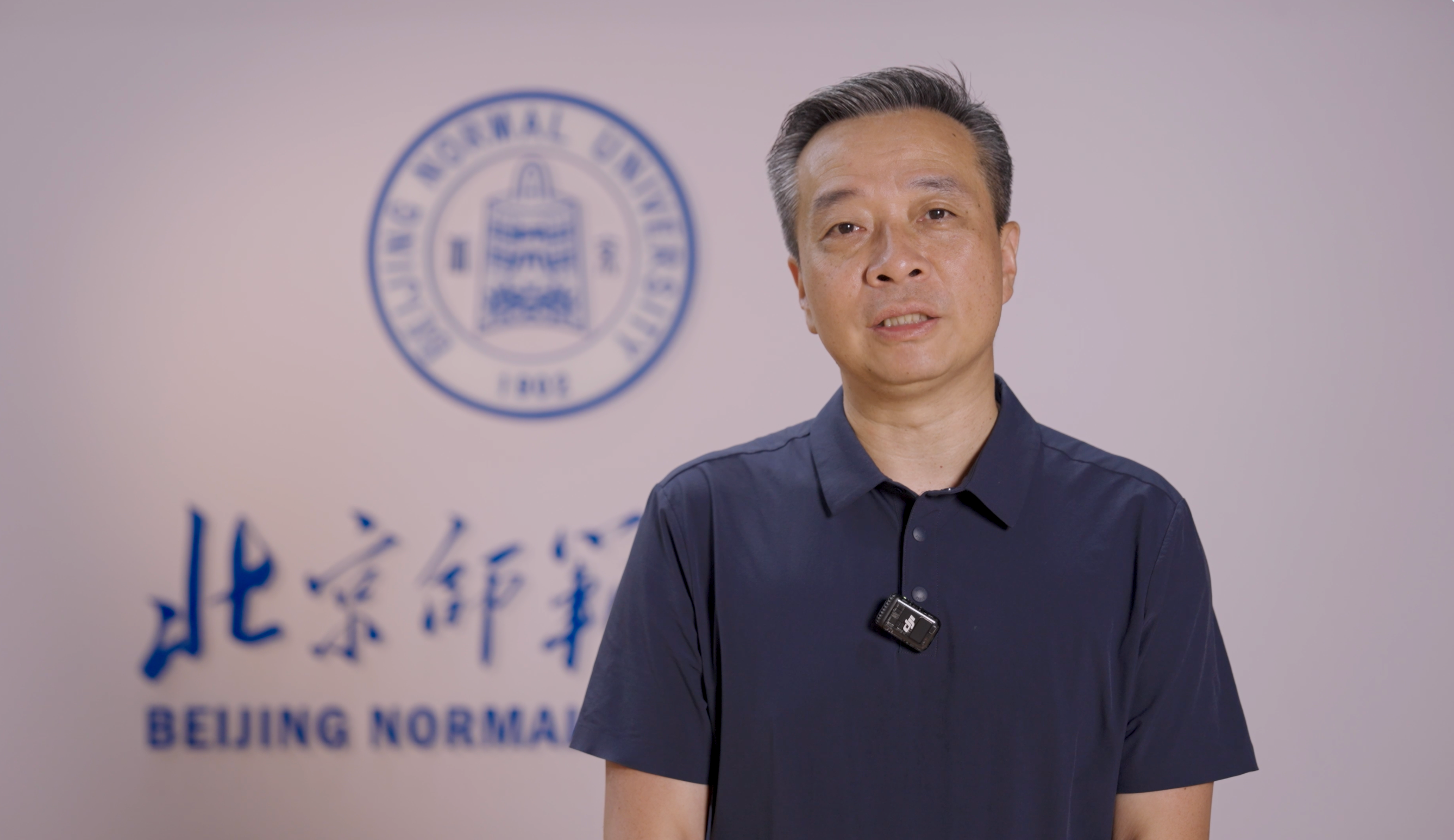
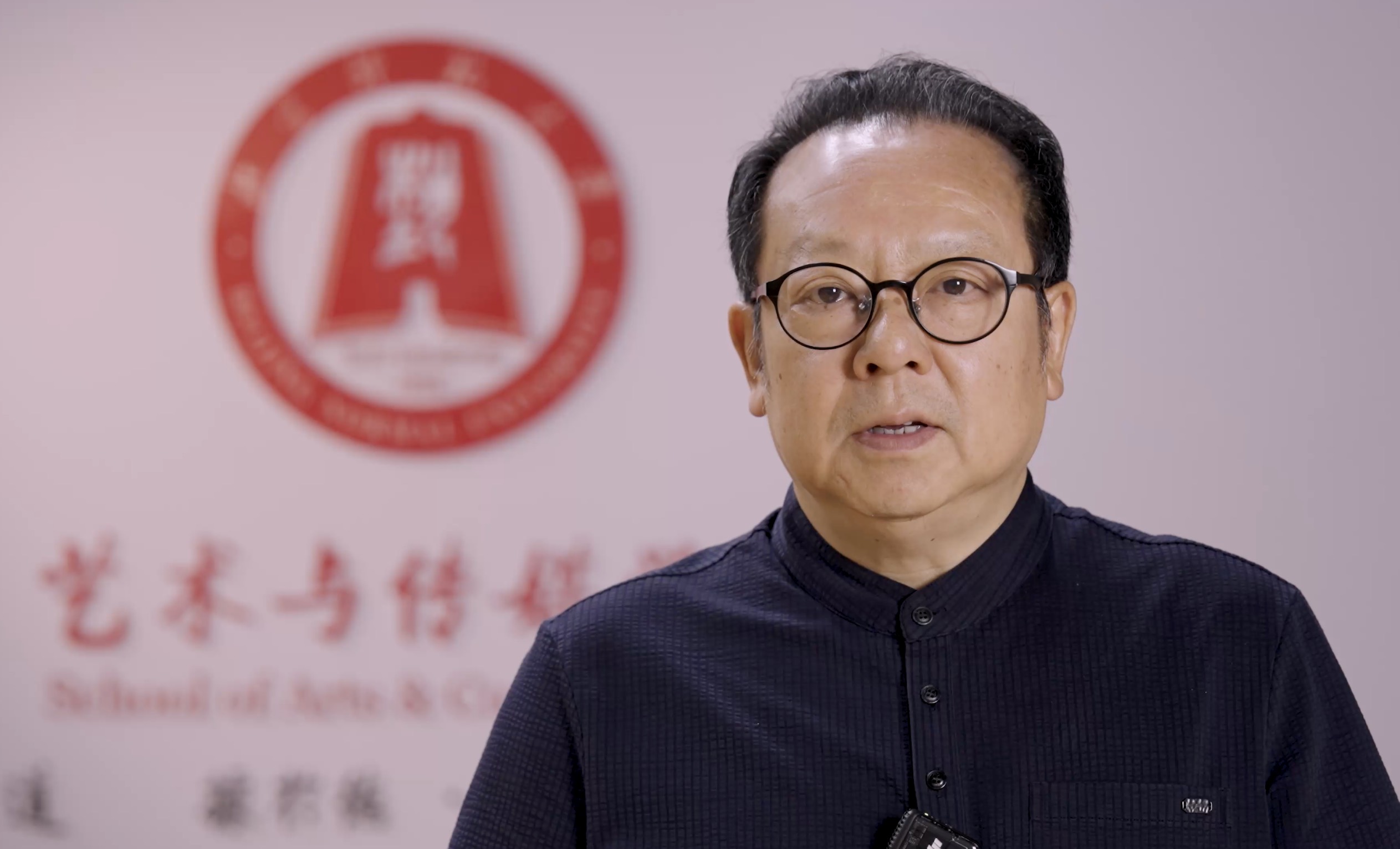
In his video address, Hu Zhifeng summarized the practical significance of the exhibition, pointing out that immersive imaging and digital media have expanded the boundaries of traditional audio-visual art and provided new expressive spaces for the distinct natural landscapes, social life, and cultural experiences of China and Malaysia. He noted that the exhibition aims to build a more open exchange platform for experts, scholars, artists, and young creators from both countries, further promoting interaction and cooperation in education, culture, technology, and related industries.
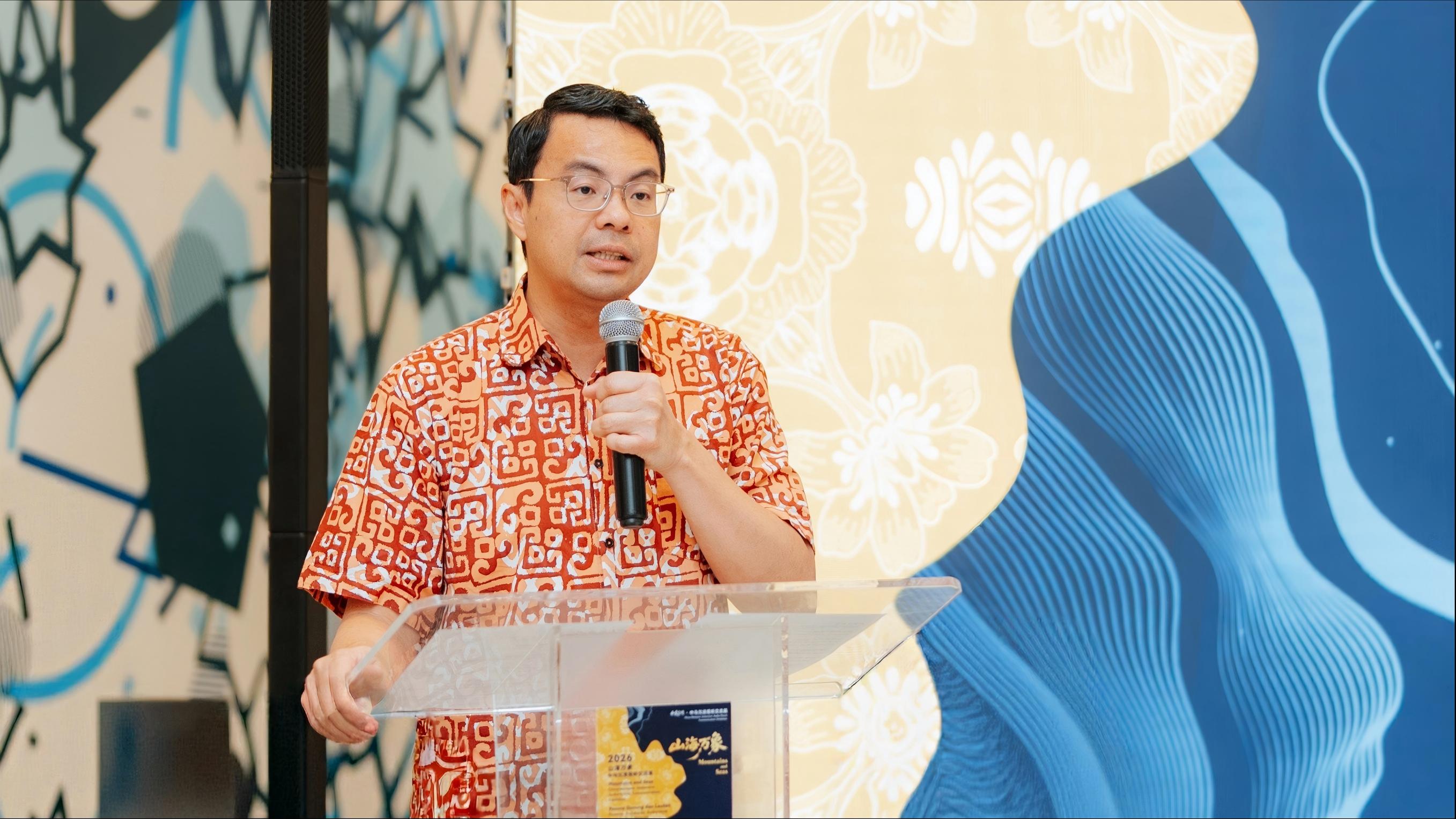
YB Lee Chean Chung remarked that China and Malaysia share broad prospects for cooperation in people-to-people exchanges and technological innovation, and that digital technology is opening up new possibilities for cultural dissemination, artistic creation, and youth interaction. He looked forward to leveraging this exhibition as an opportunity to further promote practical cooperation between the two countries in digital culture, technological innovation, youth talent, and related industries, so that cultural exchange and technological collaboration can form more sustainable connections and inject new vitality into the development of China–Malaysia relations.
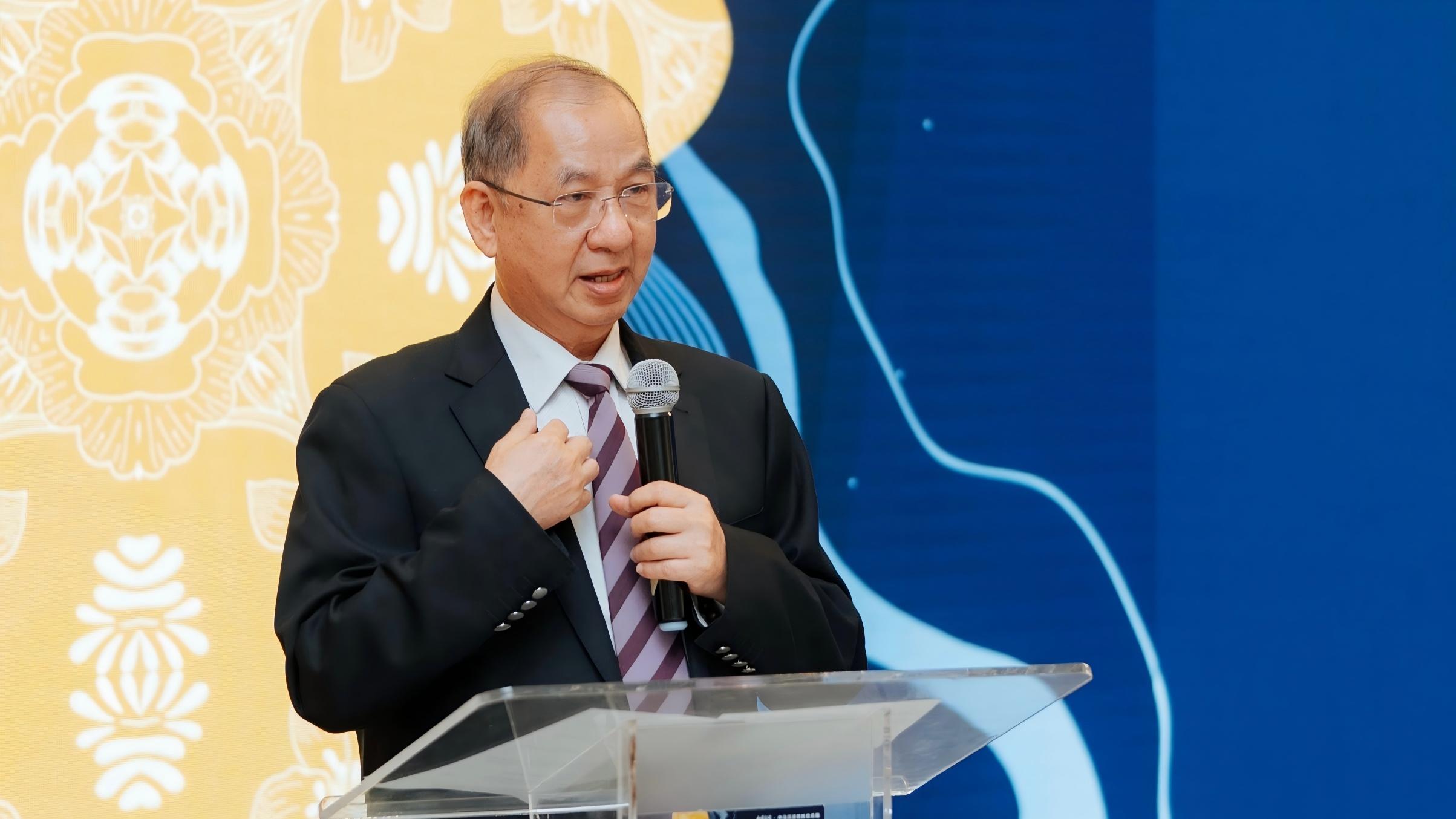
Dato' Goh Hin San reviewed the cooperation between China and Malaysia in education and talent development in recent years. He noted that the exhibition integrates digital technologies such as AR, VR, and AI with cultural content, delivering a vivid and impactful viewing experience while providing a new reference for the local cultural and artistic community. He expressed his hope to expand the scope of exchanges to include Chinese culture, culinary culture, and other areas, transitioning such cooperation from episodic activities to more long-term, sustainable cultural exchange programs.
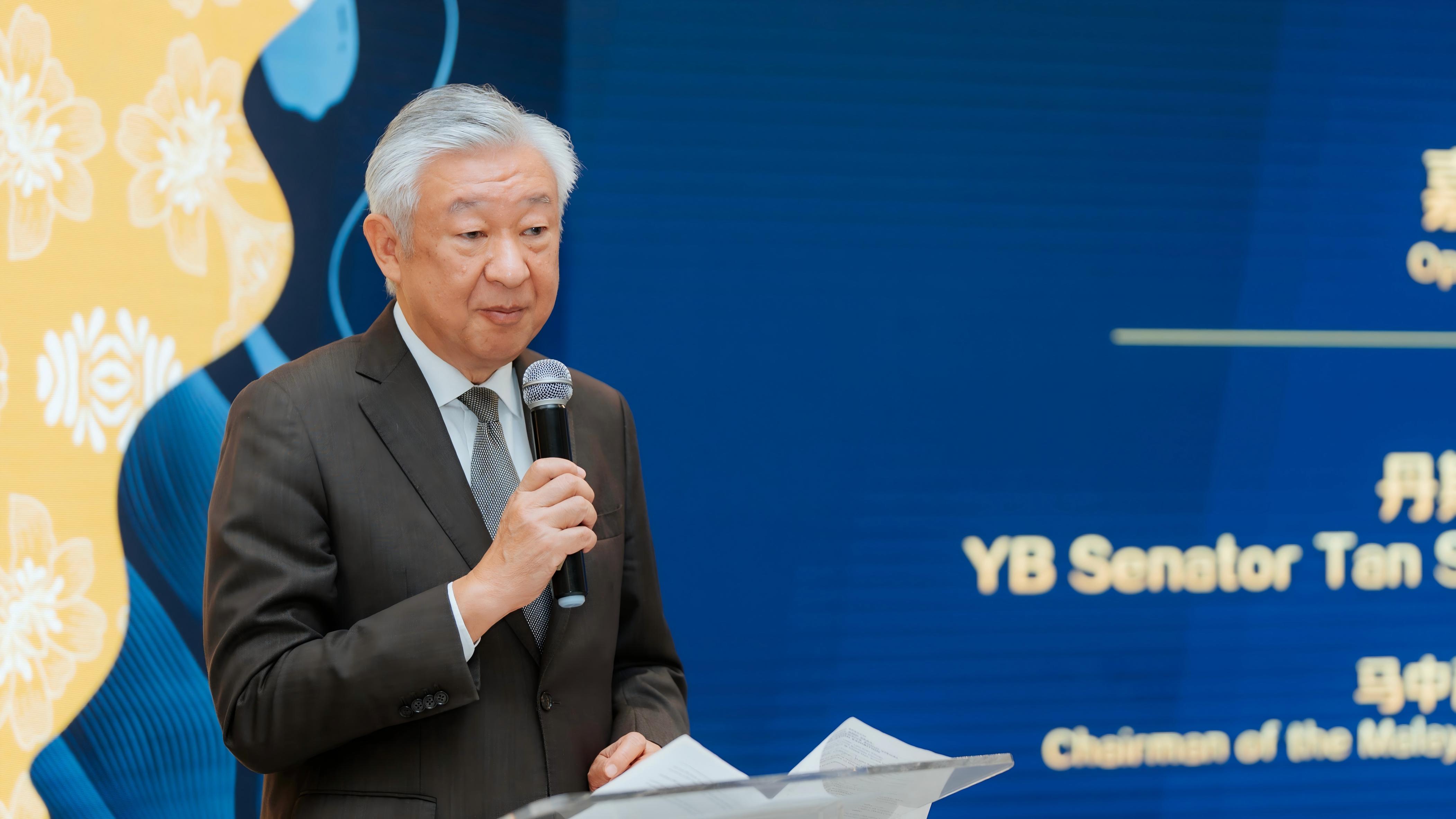
YB Senator Tan Sri Dato' Low Kian Chuan stated that art and creative expression serve as important vehicles for enhancing mutual understanding between the peoples of China and Malaysia, and can also lay a solid cultural foundation for economic and trade relations and broader bilateral cooperation.
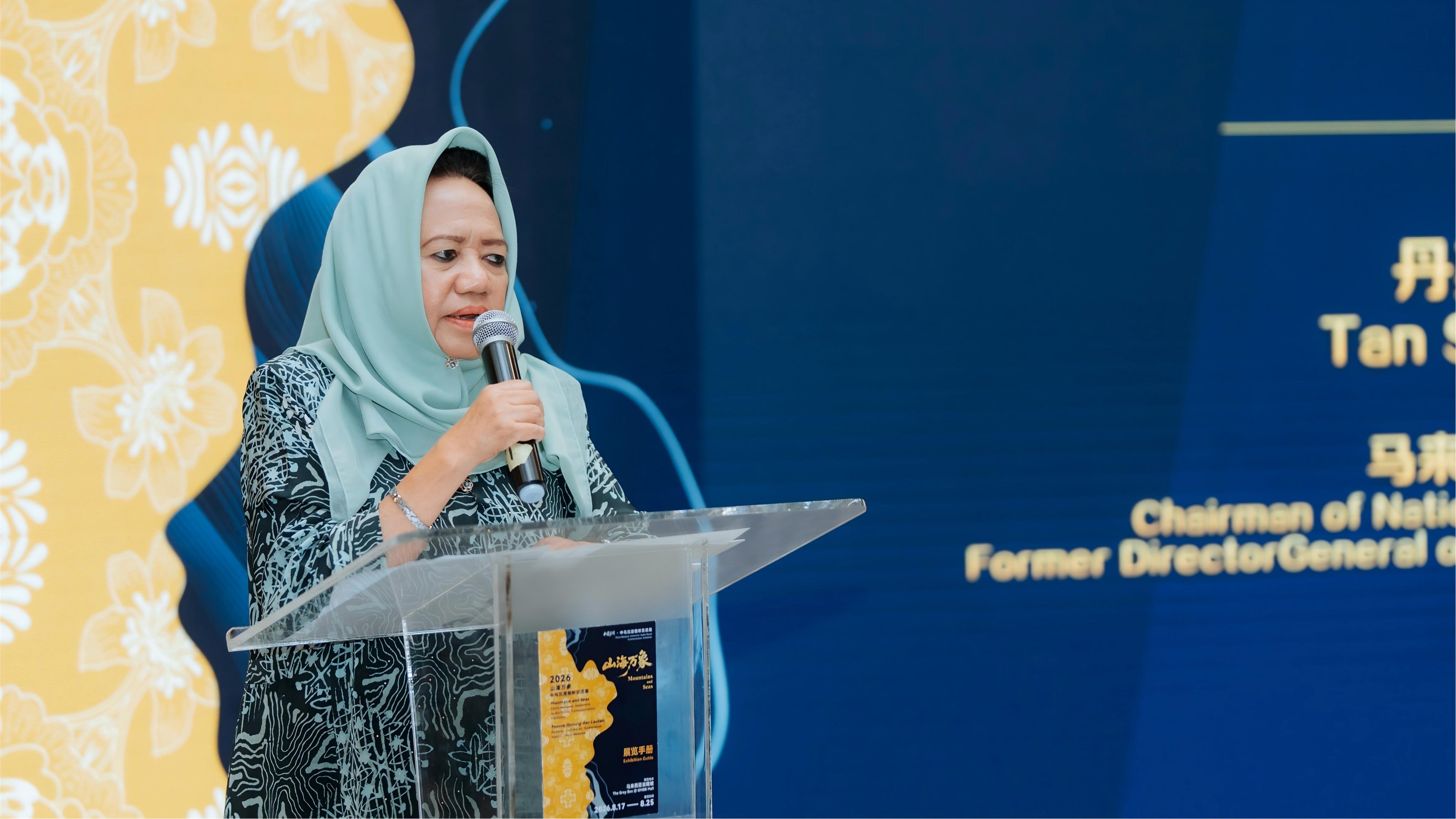
Tan Sri Hajah Norliza Rofli noted that the exhibition has forged meaningful connections on multiple levels—connecting traditional cultural heritage with innovative technology, connecting cultural and artistic practitioners across generations, and, most importantly, connecting China and Malaysia. She pointed out that the preservation and dissemination of cultural heritage should not be confined to traditional exhibition spaces such as museums, but should reach a wider international public through cross-border institutional cooperation and new media formats. She also expressed her hope that more high-quality exhibitions rich in cultural depth and technological innovation would be brought to more regions of Malaysia in the future, enabling a broader cross-section of society to share in the fruits of cultural innovation.
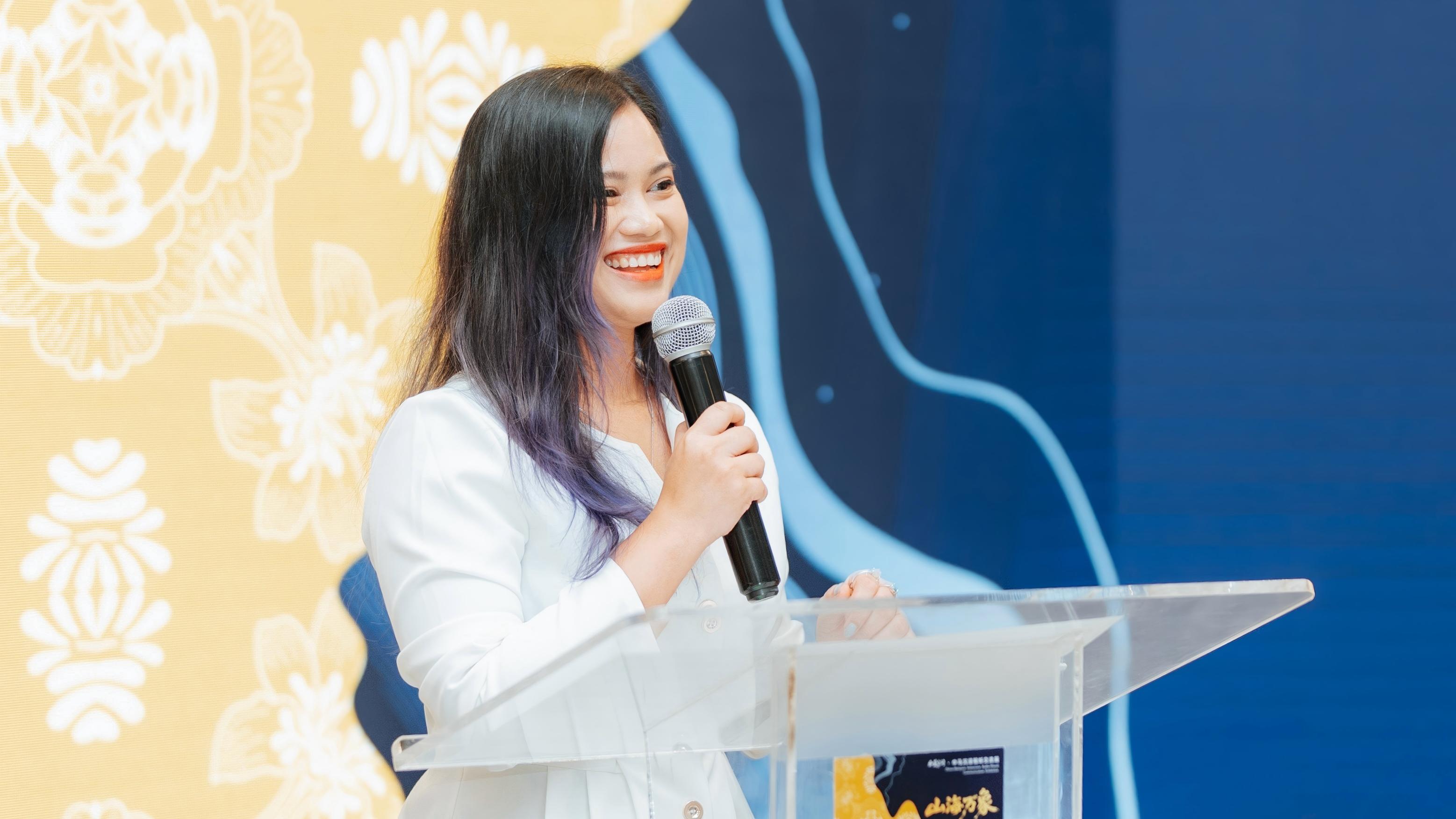
Following the addresses, the guests watched a retrospective video of the exhibition. Nadia Mahmud spoke as a representative of the exhibiting artists. She observed that cross-border creation and exchange can prompt artists to re-examine their own cultural backgrounds while offering valuable learning and growth opportunities for young creators and students. She looked forward to more in-depth artistic dialogue, experimental collaboration, and sustained exchange between the creative communities of China and Malaysia.
During the Curator's Guided Tour, curators Zhou Wen and Chen Yansong led the guests back through the exhibition space, introducing the exhibition from the perspectives of overall curatorial concept, the relationships among the works, and spatial narrative.
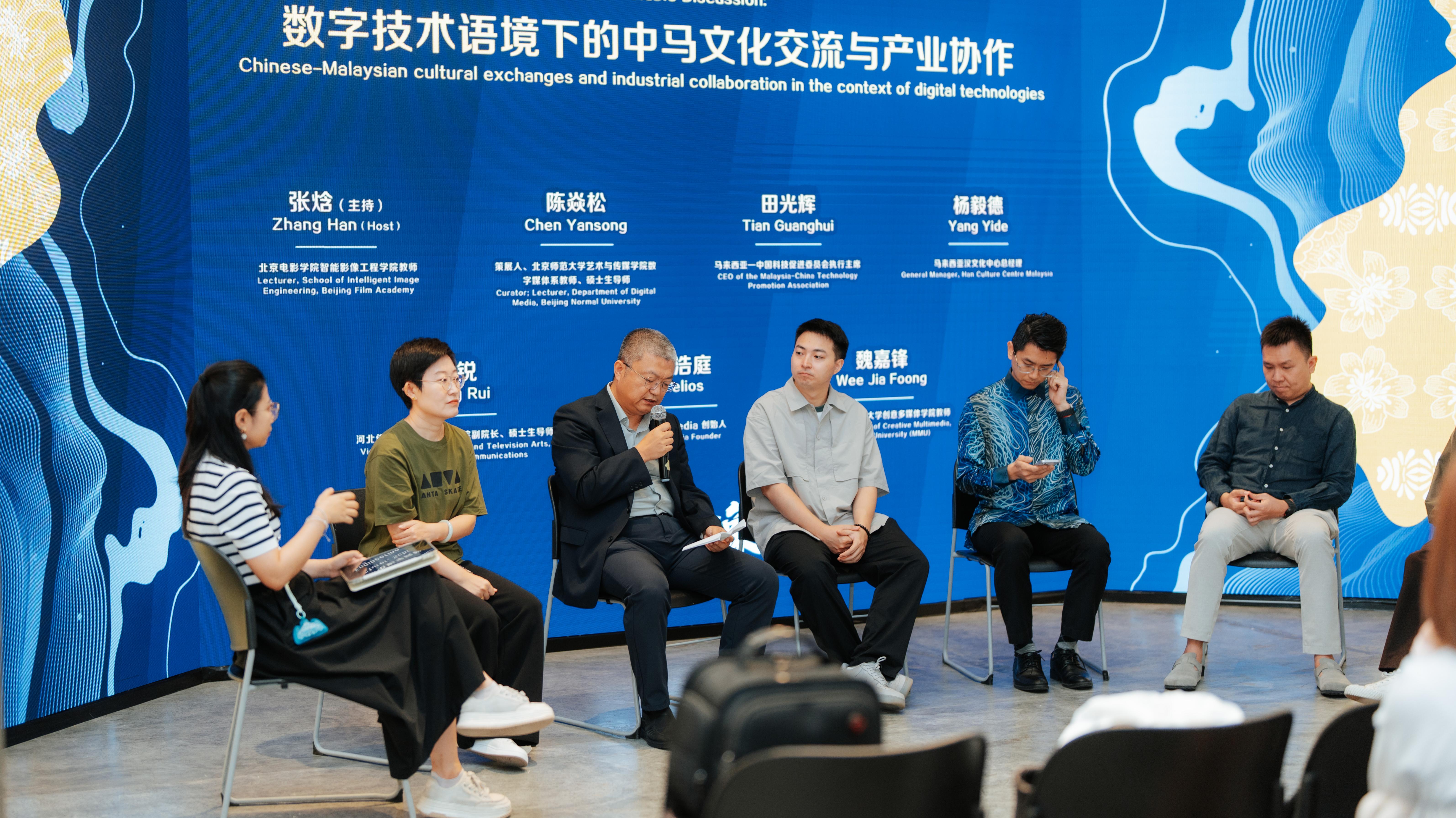
Subsequently, the "China-Malaysia Digital Culture Forum" was held under the theme "Chinese-Malaysian Cultural Exchanges and Industrial Collaboration in the Context of Digital Technologies." The roundtable discussion featured Chen Yansong, Curator of the exhibition and Lecturer at the Department of Digital Media, School of Arts and Communication, BNU; Tian Guanghui, CEO of the Malaysia-China Technology Promotion Association; Yang Yide, General Manager of Han Culture Centre Malaysia; Liang Rui, Vice Dean and Master's Supervisor of the School of Film and Television Arts, Hebei Institute of Communications; Luo Haoting (Helios), Founder of Helio Media; and Wee Jia Foong, Lecturer at the Faculty of Creative Multimedia, Multimedia University (MMU). Focusing on the changes brought by digital technology to cultural content production, artistic creation, and dissemination, the panelists drew on their respective experiences in art education, digital media, cultural institutions, and industrial practice to discuss the practical foundations and future possibilities for China–Malaysia digital cultural cooperation. The session was moderated by Zhang Han, Faculty Member at the School of Intelligent Image Engineering, Beijing Film Academy.
On the same day, the AIGC Art Co-creation Workshop was held at the same venue. Co-hosted by the School of Arts and Communication of BNU, and the Faculty of Creative Multimedia, Multimedia University, with support from Vidu AI, the workshop brought together more than 20 students from Chinese and Malaysian universities. Participants distilled keywords from the urban spaces, natural landscapes, daily life, and cultural impressions of Beijing and Kuala Lumpur. Through exchanges, association, and discussion, they transformed diverse cultural experiences into visual creativity.
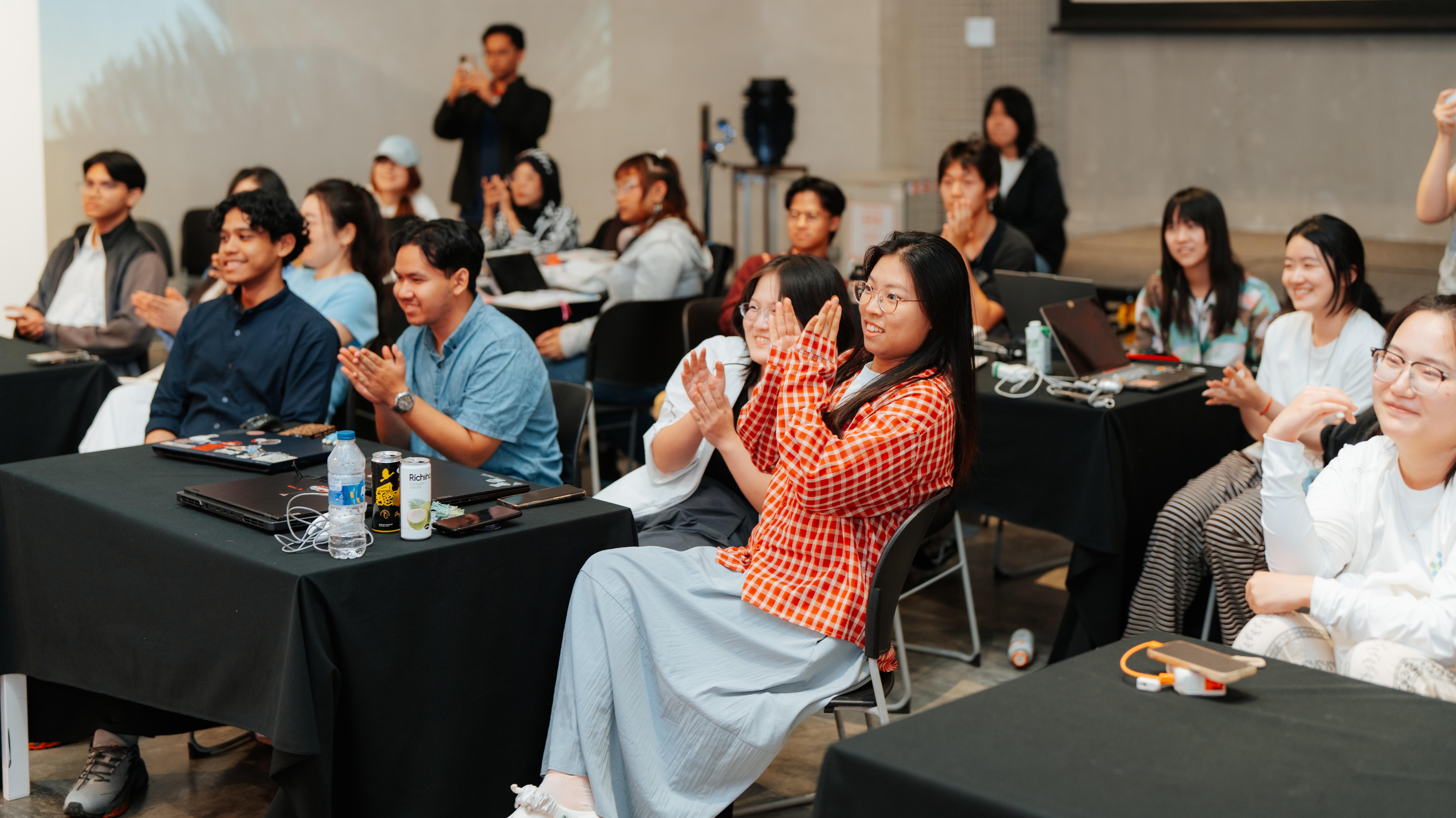
During the co-creation session, Chinese and Malaysian students formed mixed groups, using AIGC tools to complete image-generation projects, and collectively screened their works while sharing their collaborative processes. The workshop provided a vivid and concrete practical setting for young people from both countries to engage in exchange and collaboration in the fields of digital art and creative technology.
Using digital art as its medium, this exhibition brought together artistic creation, academic research, talent development, and international exchange within a single cultural site. It represents not only an in-depth exchange among artists, scholars, and young people from China and Malaysia on contemporary cultural expression, but also a proactive effort by Beijing Normal University to advance interdisciplinary synergy and international cultural exchange. At the intersection of diverse artistic practices, it presents a new face of cultural and artistic exchange between China and Malaysia, while opening up more possibilities for the innovative expression of traditional culture in the digital age.
Looking ahead, Beijing Normal University will take this exhibition as a new starting point to further expand exchanges and cooperation with Malaysian universities, cultural institutions, and the arts community. Through more contemporary artistic expressions and more open youth practices, the university will continue to promote the creative transformation, innovative development, and international dissemination of outstanding traditional Chinese culture, injecting new vitality into China–Malaysia cultural cooperation through sustained mutual exchange and learning.