

BNU Chinese Bridge: Canadian Teachers and Students Exchange Ideas with Mo Yan on Literature
Do you love literature? Have you ever read Chinese literary works? At Beijing Normal University (BNU), you get the chance to engage in face-to-face exchanges with Mo Yan, winner of the Nobel Prize in Literature.
From April 8 to April 17, 2026, Beijing Normal University jointly launched the 2026 Chinese Bridge China Study Tour Program with Collège Stanislas de Québec, Canada. As a highlight of the program, a special meeting was arranged for Canadian teachers and students to meet Mr. Mo Yan.
During the conversation, Ms. Molly, leader of the Canadian delegation, expressed her deep admiration for Mo Yan’s works. She humbly raised two questions: how to balance historical context and character portrayal in literary creation, and how to encourage middle school students to sustain their interest in writing while keeping up with academic studies.
Drawing on his rich life experience, Mo Yan gave insightful and easy-to-understand responses. He shared how to integrate real-life characters and scenes into literary creation to endow works with greater vitality. He also encouraged students to strike a balance between schoolwork and writing hobbies, stressing that writing can become a lifelong spiritual asset.
In his message to young learners, he advised them to master the Chinese language, read classic Chinese literary works, and try their hand at writing in Chinese. He noted that literature serves as a bridge for dialogue across the world and enhances mutual understanding between peoples.
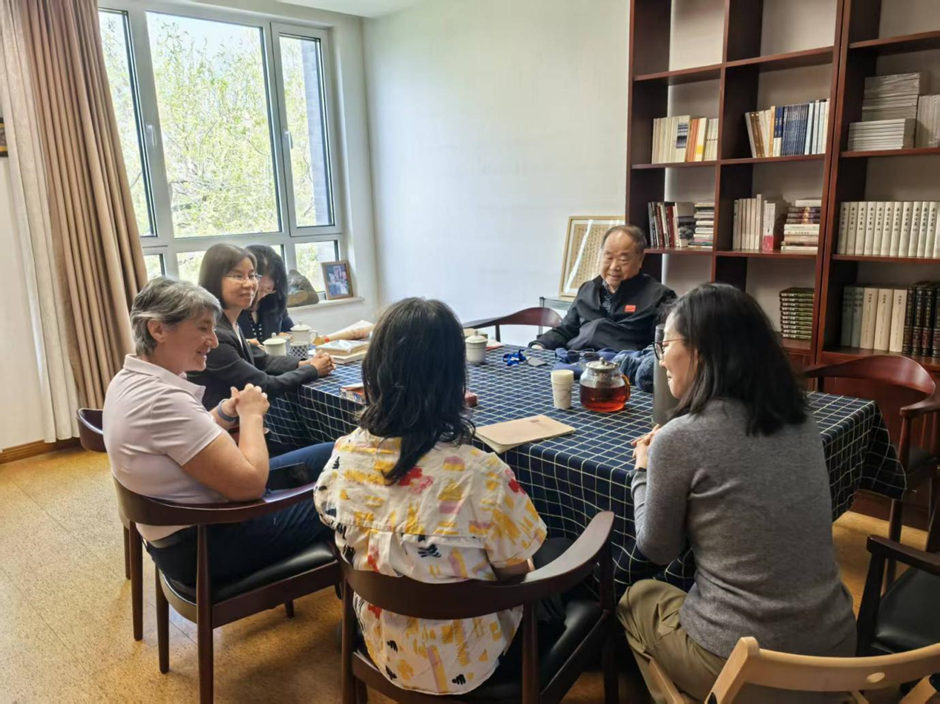
Canadian teachers and students meet and exchange views with Mo Yan
Beyond this precious literary dialogue, the ten-day itinerary was rich and rewarding. Every morning, participants attended comprehensive Chinese courses and listening & speaking classes at BNU. Centering on practical HSK communication scenarios ranging from self-introduction to daily conversations, they actively practiced oral Chinese and achieved remarkable progress in language proficiency.
After class, they learned Tai Chi and interacted with local residents at Zizhuyuan Park, bringing their Chinese learning into real-life practice.
In cultural excursions, the participants traveled across two ancient capitals — Beijing and Xi’an. They wandered around the Summer Palace, strolled along Nanluoguxiang Alley, climbed the Great Wall, admired the Terracotta Army, and explored the Muslim Quarter. Amid picturesque landscapes and time-honored historical relics, they experienced the profound history and vibrant modernity of China.
In addition, they visited the Center for Language Education and Cooperation under the Ministry of Education, gaining in-depth insights into the development of international Chinese language education and further fueling their passion for learning Chinese.
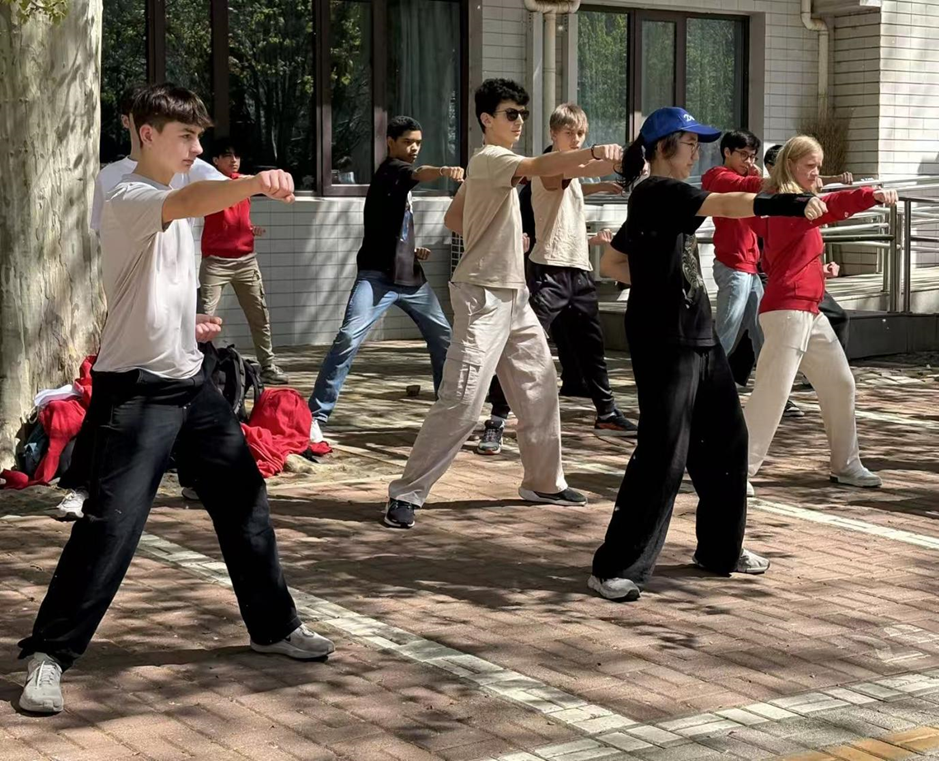
Participants experience Tai Chi courses
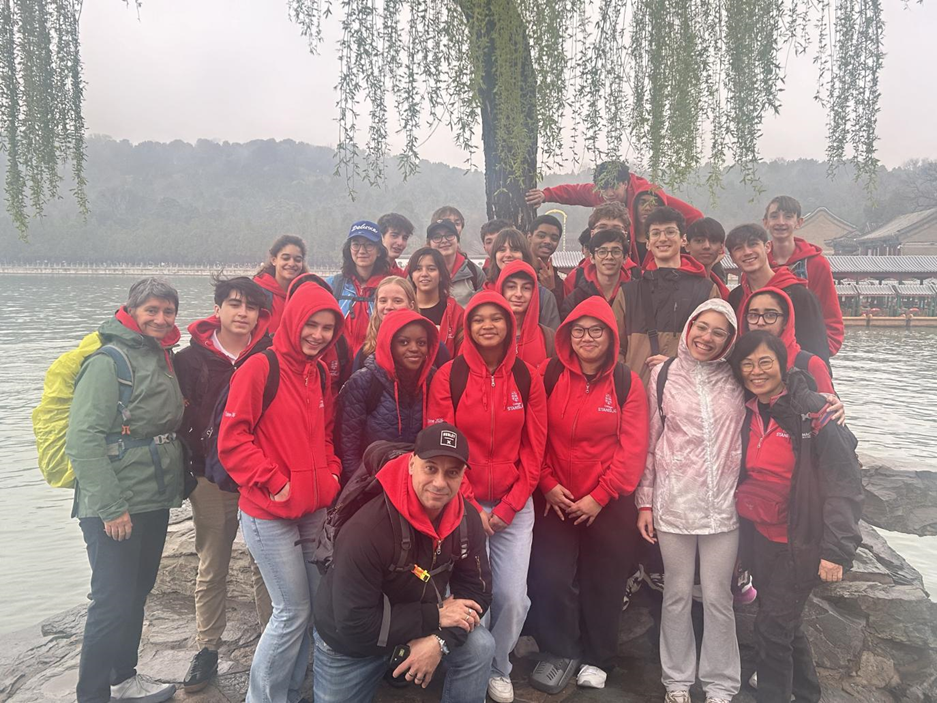
Participants visit the Summer Palace
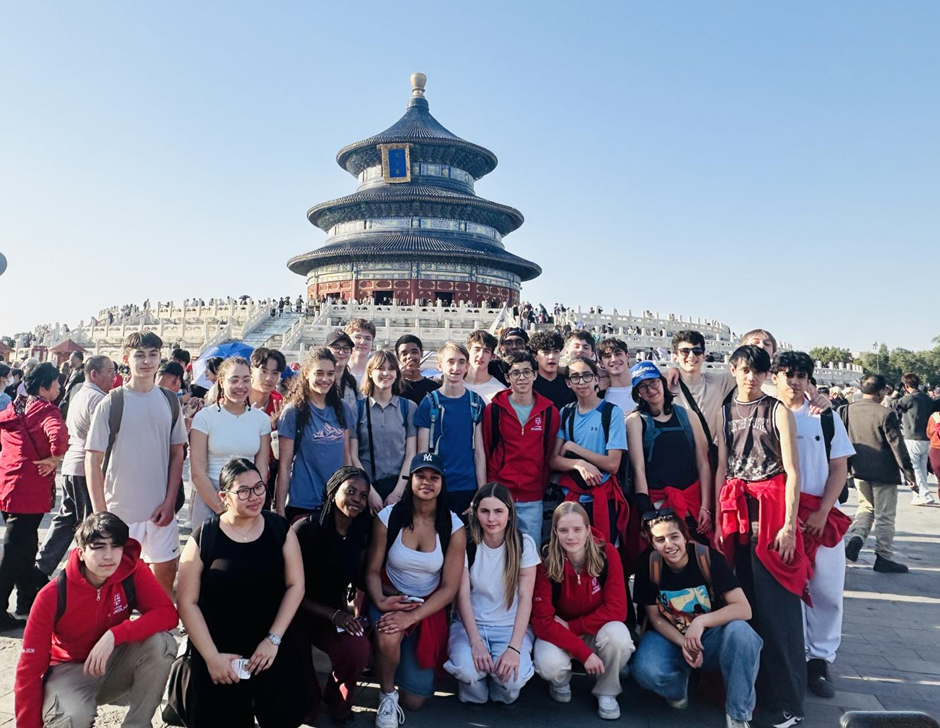
Group photo of participants in front of the Temple of Heaven
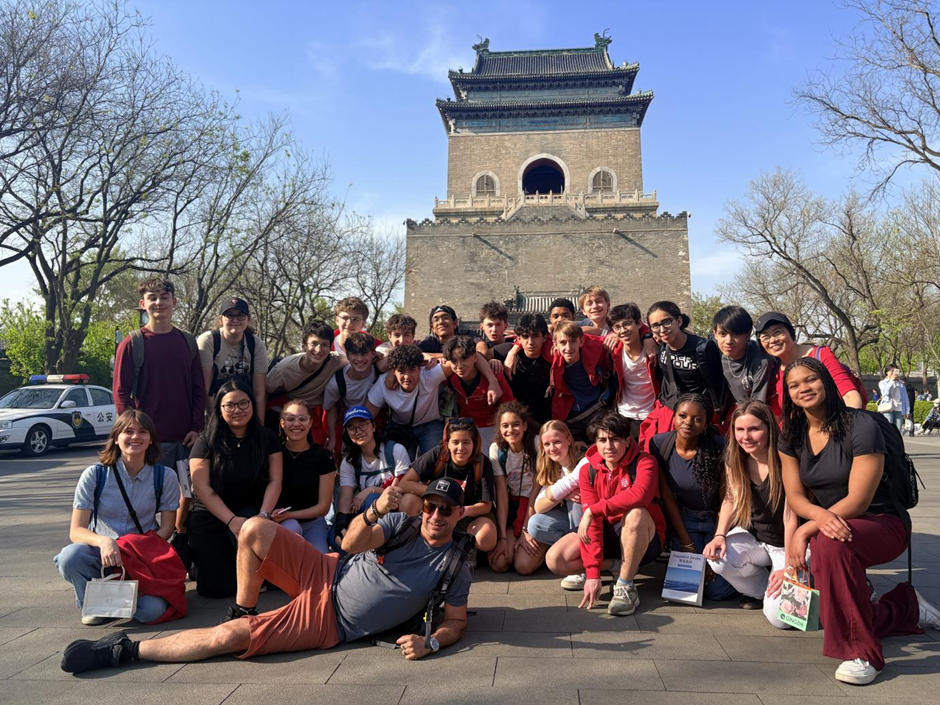
Group photo of participants in front of the Bell Tower
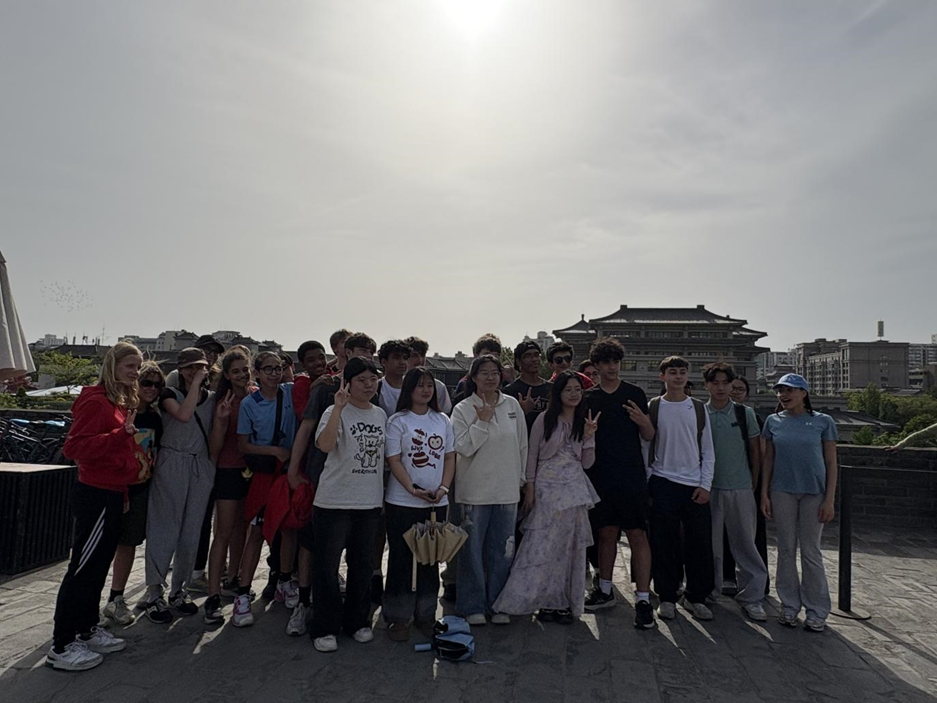
Group photo of participants during the Xi’an tour
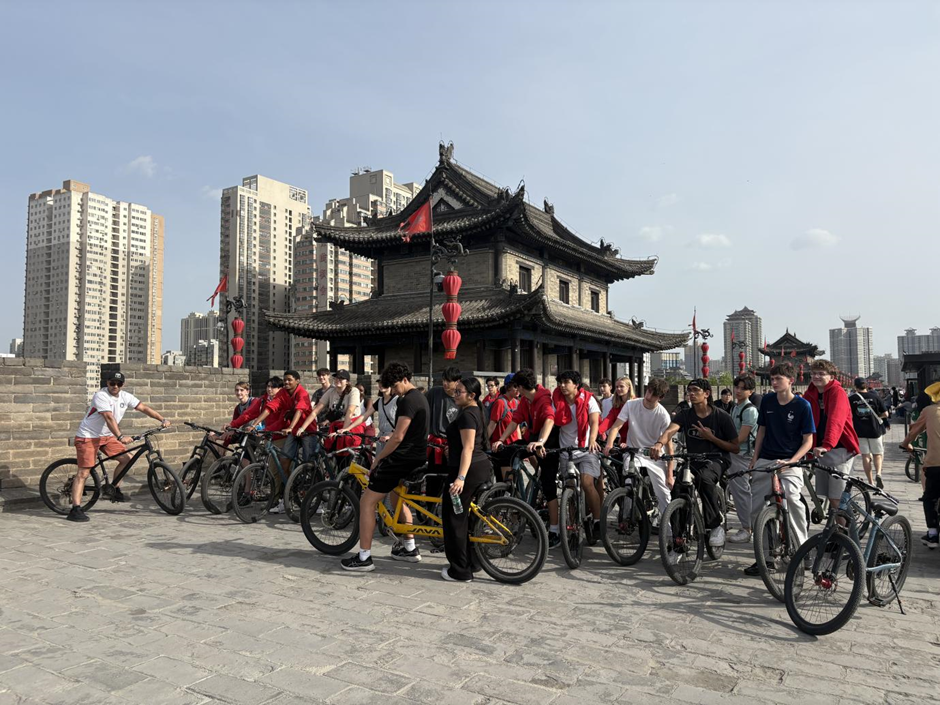
Participants ride bicycles on the ancient city wall
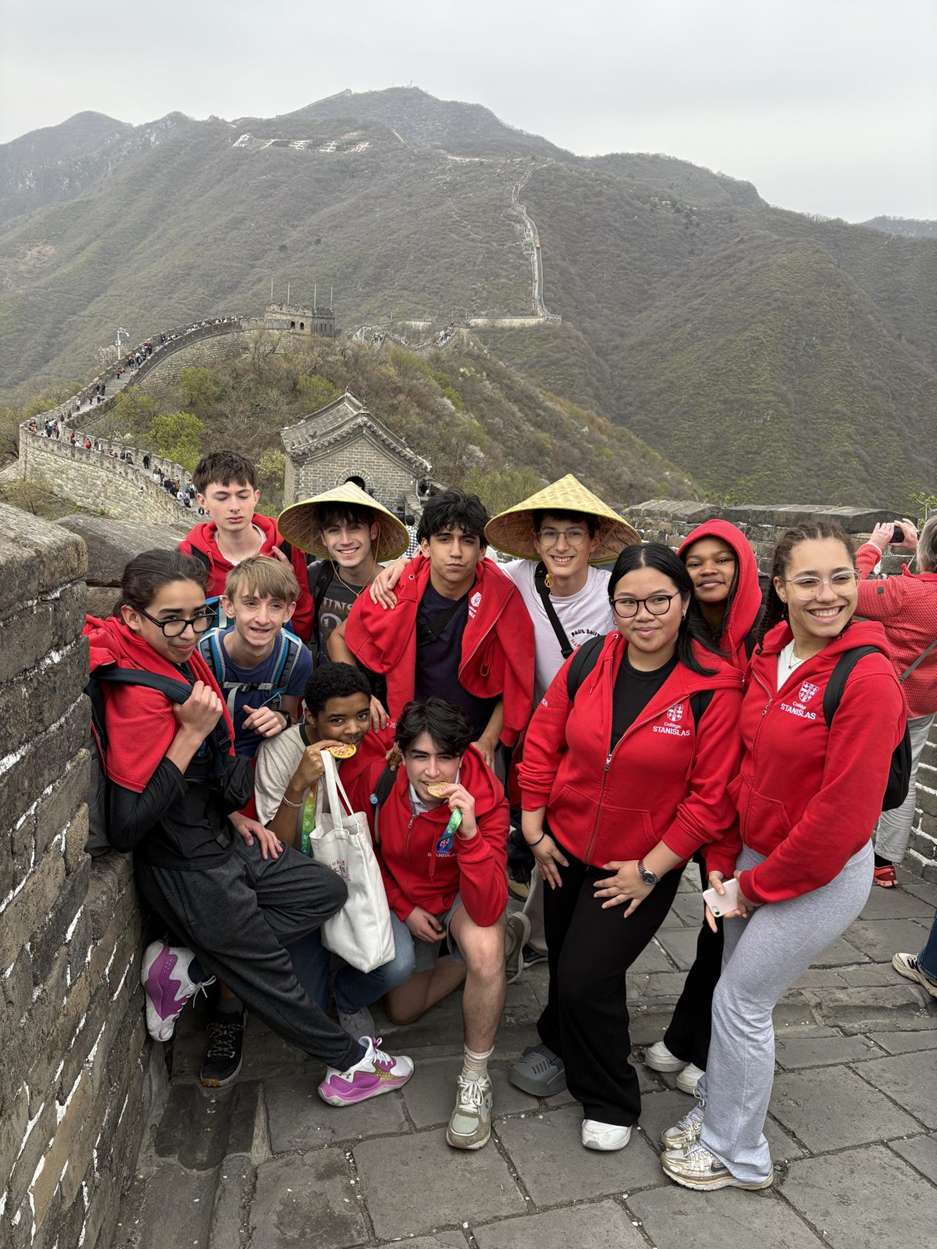
Participants climb the Great Wall
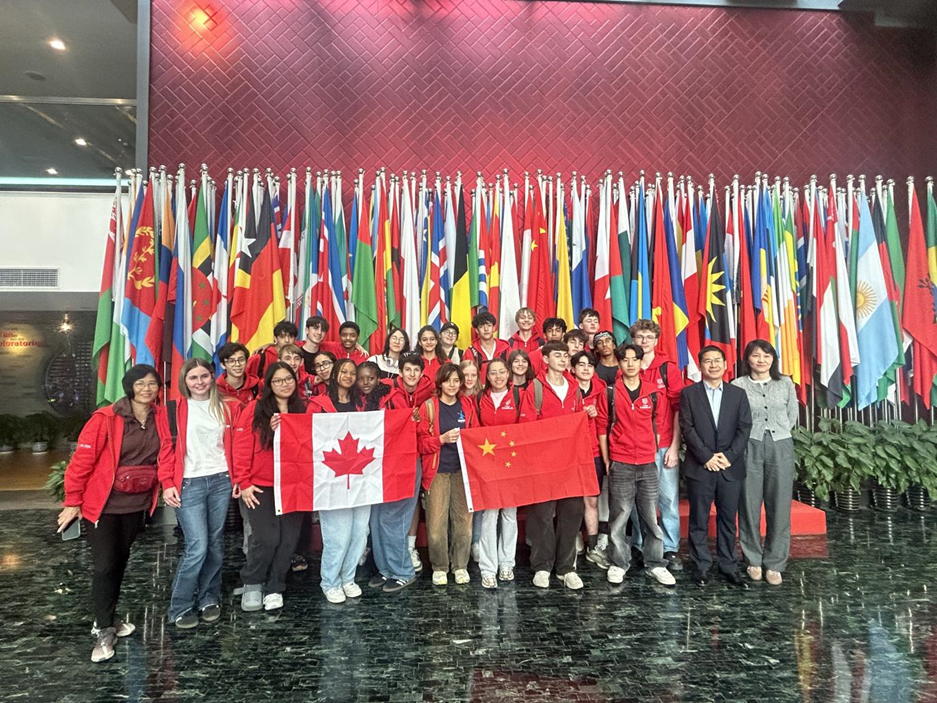
Participants visit the Center for Language Education and Cooperation
At the closing ceremony, participants presented their learning achievements in groups and shared their travel experiences in fluent Chinese, creating a warm and heartfelt atmosphere.
Professor Feng Liping, Dean of the School of International Chinese Language Education at BNU, congratulated all participants on completing the immersive Chinese learning and Chinese cultural experience journey. She expressed the hope that they would continue to polish their Chinese proficiency and jointly promote friendly cultural exchanges between China and Canada.
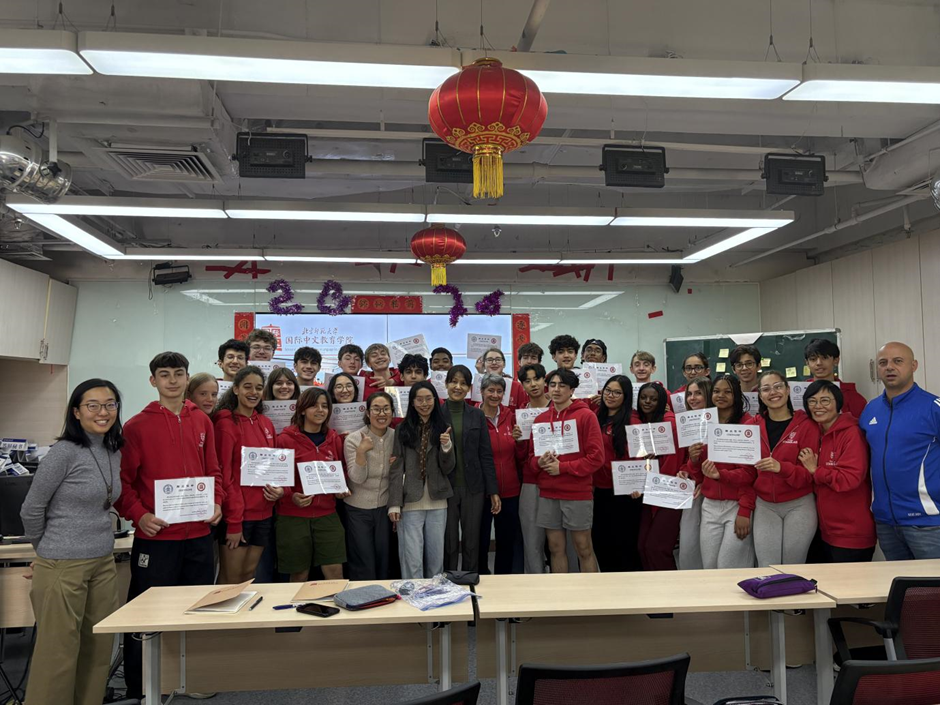
Group photo at the closing ceremony
Adopting a three-dimensional model of language teaching plus cultural exploration, this Chinese Bridge program has opened a window for Canadian teenagers to understand China. Going forward, the School of International Chinese Language Education at Beijing Normal University will continue to take language as a medium and culture as a bond, promote mutual learning between Chinese and foreign young people, and contribute educational strength to building a community with a shared future for mankind.