

The Cyberspace Rule of Law Forum at the 2026 World Internet Conference Wuzhen Summit Held in Wuzhen, Zhejiang
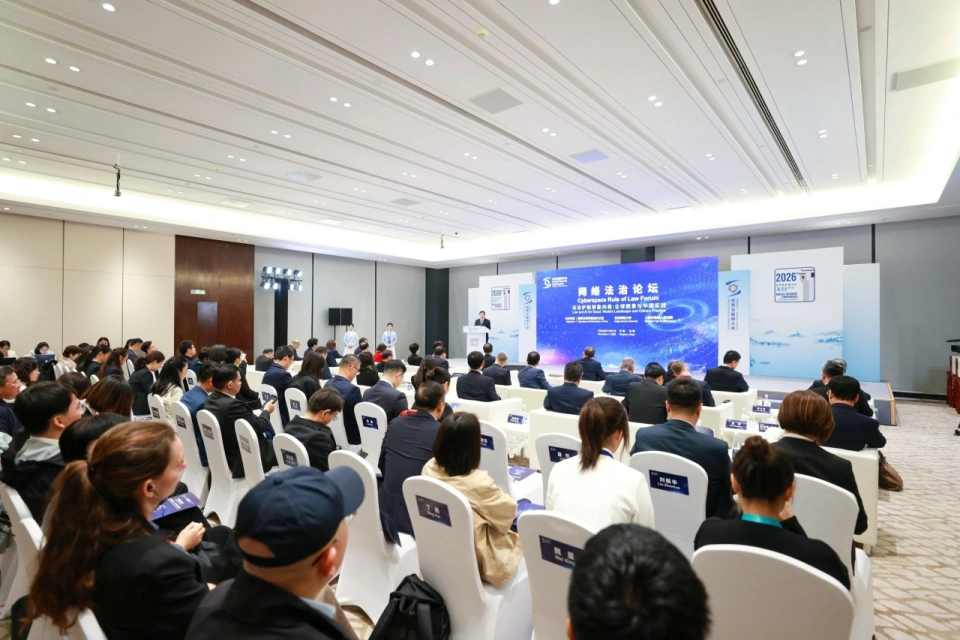
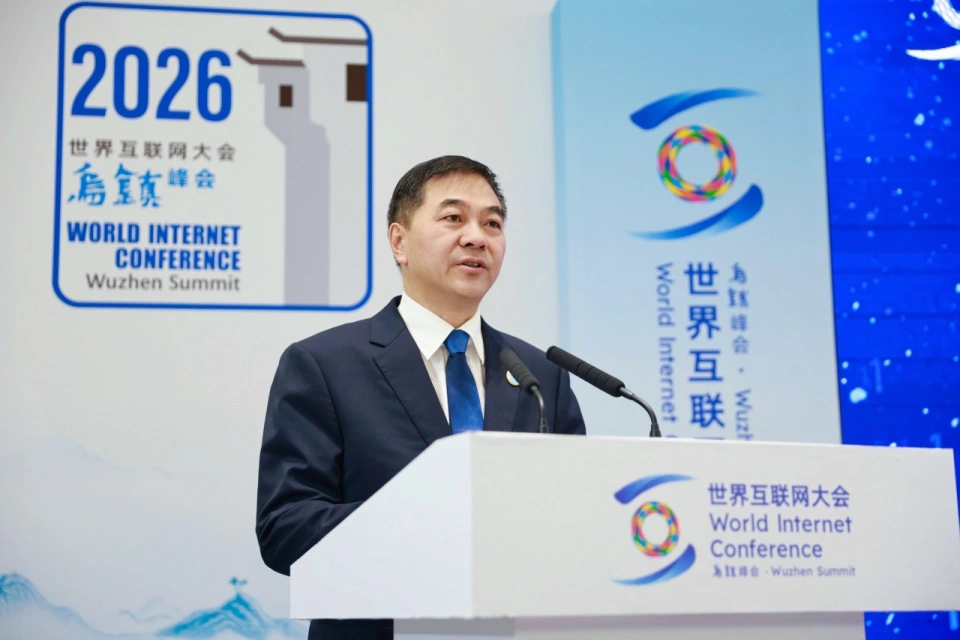
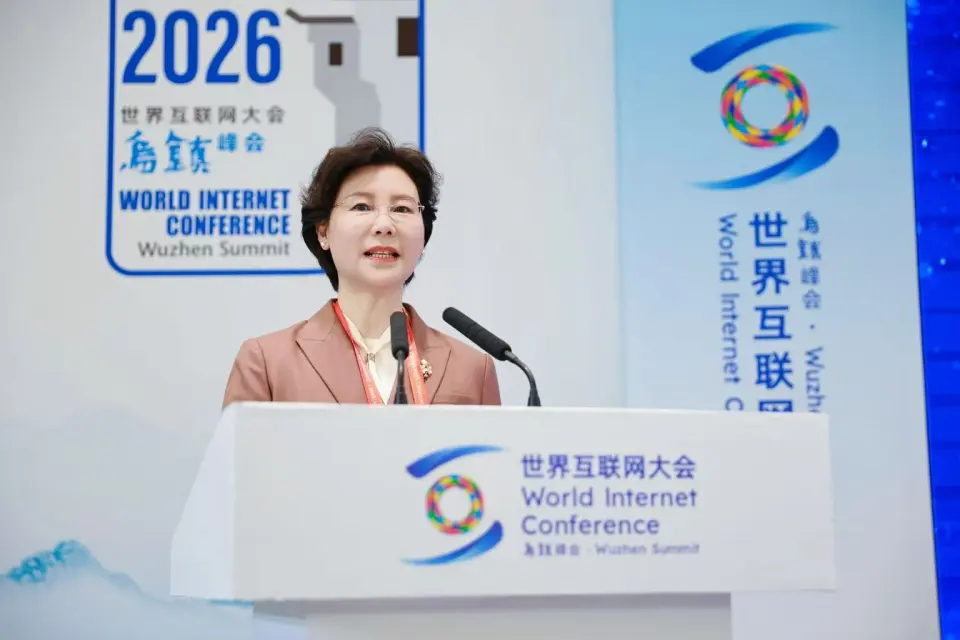
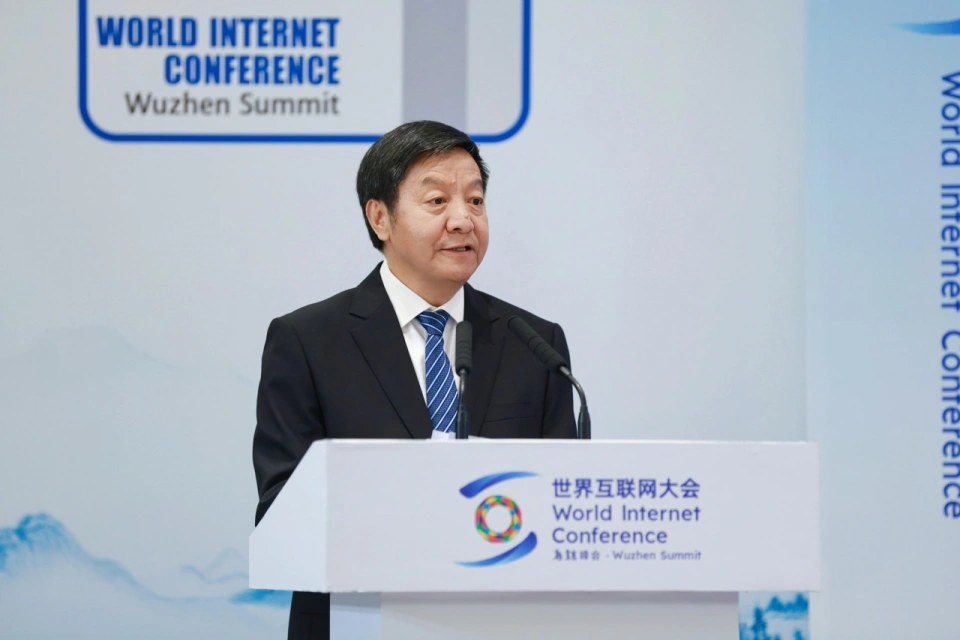
On November 4, the Cyberspace Rule of Law Forum at the 2026 World Internet Conference Wuzhen Summit was held in Wuzhen, Zhejiang. The forum was co-hosted by the Cyberspace Administration of China (CAC), Beijing Normal University (BNU), and the Shanghai High People's Court. Yang Jianwen, Deputy Director of the CAC; Yu Jihong, President of BNU; and Jia Yu, President of the Shanghai High People's Court, attended the forum and delivered remarks. The opening remarks and keynote sessions were chaired by Liang Yingxiu, Dean of the Law School of BNU.
The forum was held under the theme "Law and AI for Good: World's Landscape and Chinese Practice." It aimed to pool wisdom from all sides, deepen exchanges and mutual learning, jointly explore rule-of-law approaches to AI governance, and work together to promote the sound development of AI for good. Guests from the Supreme People's Court, the Supreme People's Procuratorate, the Ministry of Culture and Tourism, the Ministry of Justice, the Ministry of Communication and Digital Affairs of the Republic of Indonesia, the International AI Governance Association, the China-Britain Business Council, Alibaba Group, Huawei, Tencent, the University of Macau, and the media attended the forum. Participants from China, the United Kingdom, Brazil, Laos, Indonesia, and Mozambique held in-depth discussions on topics such as "China's Approach and Global Practice in AI Rule of Law" and "Co-building, Sharing and the Ecosystem of AI Rule of Law," exploring the common challenges facing AI governance and the methods and pathways for guiding AI towards good through the rule of law.
Yang Jianwen noted in his remarks that artificial intelligence, with its disruptive technological force, is reshaping industrial structures, transforming social order, and revolutionizing the way people produce and live, presenting both enormous opportunities and governance challenges. How to use the rule of law to ensure that AI advances for good is a major issue of our time. The Chinese government has consistently pursued the healthy and orderly development of AI through rule-of-law thinking and rule-of-law approaches. The Cyberspace Administration of China, working with other government departments, has balanced development and security, promoted the promulgation of laws and regulations such as the Cybersecurity Law and the Data Security Law, introduced specialized legislation on algorithmic recommendation and deep synthesis, and continued to improve the framework of sound laws and good governance for AI.
Yu Jihong said that with the rapid development of embodied intelligence and autonomous agents, AI is moving from content generation and decision support toward autonomous decision-making and real-world interaction, and the autonomy, pervasiveness, and cross-border nature of the technology are becoming increasingly prominent. Issues such as the legal boundaries of intelligent behavior, the allocation of rights and responsibilities, and risk prevention and control are constantly emerging, making it urgent to respond to technological uncertainty with regulatory certainty and to deepen international coordination and collaborative governance. Beijing Normal University has consistently served major national strategies, giving full play to its interdisciplinary strengths and deepening research and practical translation in the field of digital rule of law. It has established a dedicated research institute under the Law School to tackle frontier legal issues in AI governance, participated extensively in the formulation of relevant policies and regulations, and contributed its expertise to improving China's AI governance system and promoting the sound development of AI worldwide.
Jia Yu said that the wave of digitalization and intelligentization has injected strong momentum into the development of all countries while also bringing new opportunities and challenges to the judicial field and social governance. On the rule-of-law approach to AI governance, he put forward three observations. First, we should grasp the changes of our times and deepen practical exploration of the AI rule of law. Shanghai courts, based on their adjudicative functions, focus on the needs of industrial development and are translating governance principles into predictable and enforceable rules. Second, we should continue to pioneer and experiment, using digital court development to safeguard AI for good. Since 2023, Shanghai courts have vigorously advanced digital court development, effectively improving the quality and efficiency of adjudication. They have mined judicial big data to accurately identify problems and hidden risks in social governance, shared data and leads with relevant government departments, and piloted an intelligent assisted adjudication system for civil and commercial cases to empower the entire case-handling process. Third, we should use the Wuzhen Summit platform to build a bridge for global judicial exchange and cooperation.
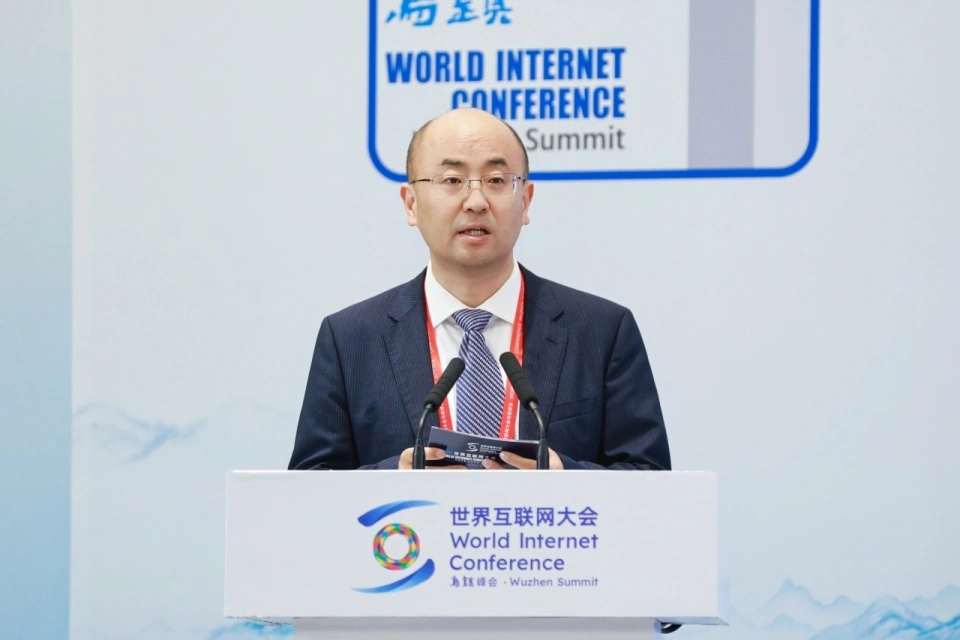
Liang Yingxiu, Dean of the Law School of BNU, chaired the opening remarks and keynote session
In the keynote session, Keovisouk Solaphom, Deputy Minister of Technology and Communications of Laos; Liu Taizong, Director-General of the Prosecutorial Department for Economic Crime, Supreme People's Procuratorate, People's Republic of China; Renata Vicentini Mielli, Special Advisor to the Minister of State for Science, Technology and Innovation and Coordinator of the Brazilian Internet Steering Committee; Wu Tao, Deputy Chief Judge of the Third Civil Division of the Supreme People's Court; I Nyoman Adhiarna, Secretary of Agency for Human Resources Development on Communications and Digital Affairs Ministry of Communication and Digital Affairs of Indonesia; Zhu Jian, Vice President of Legal Affairs at Alibaba Group; John Higgins, Chairman of the International AI Governance Association; and Wu Shenkuo, Professor at the Law School of BNU, shared their insights and experience on the theme "China's Approach and Global Practice in AI Rule of Law."
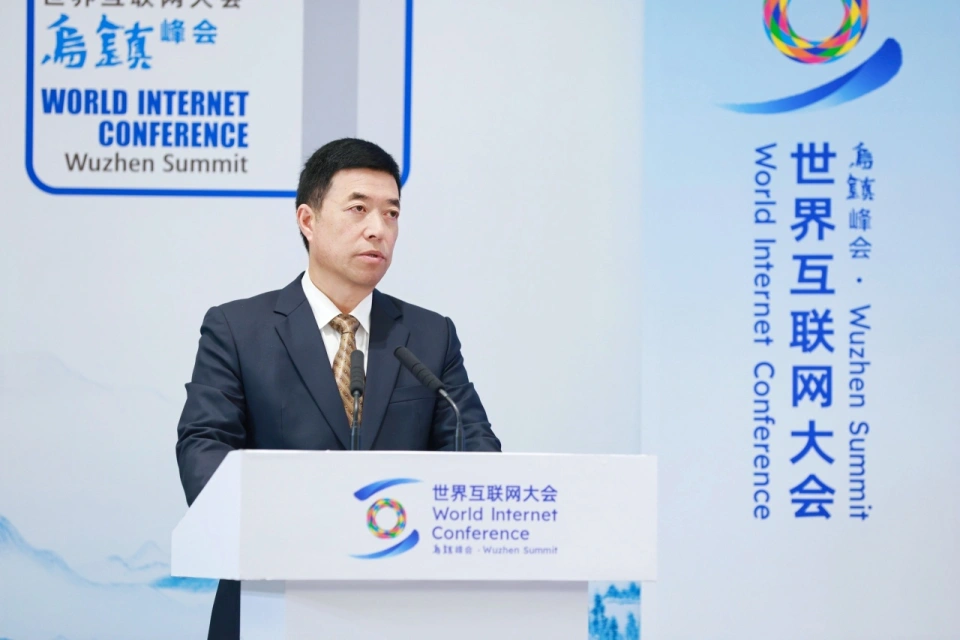
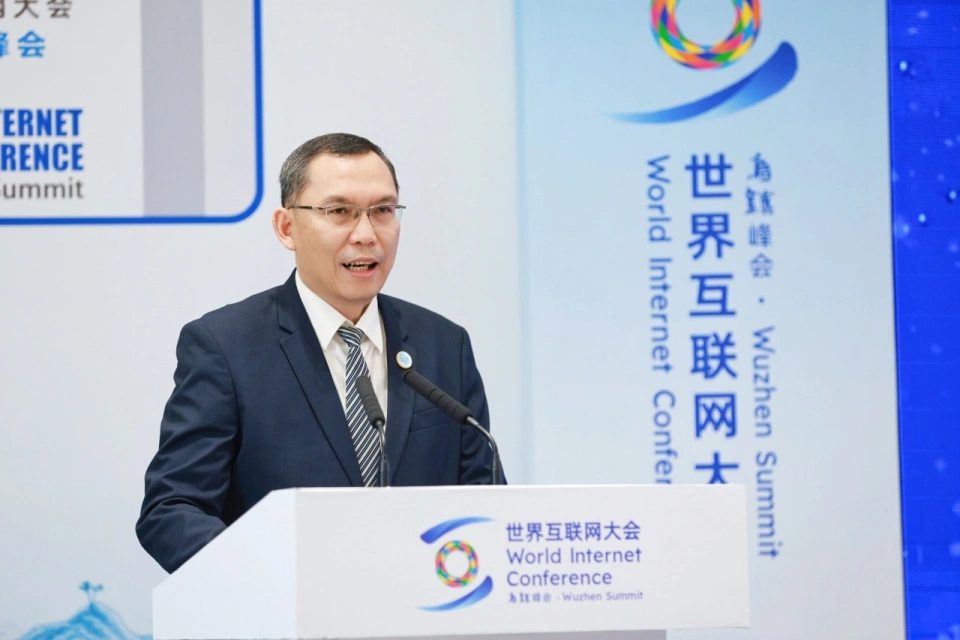

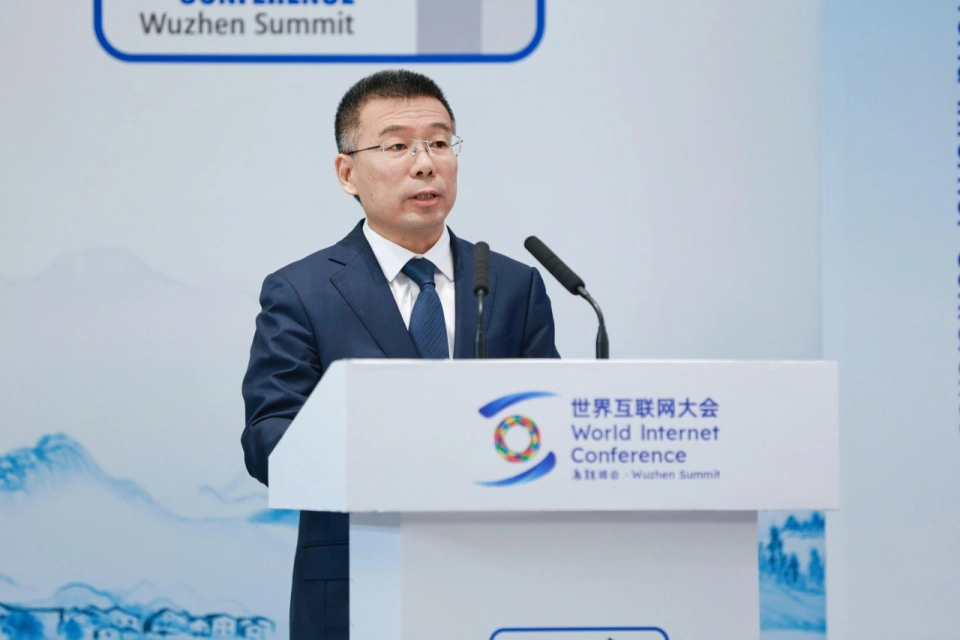
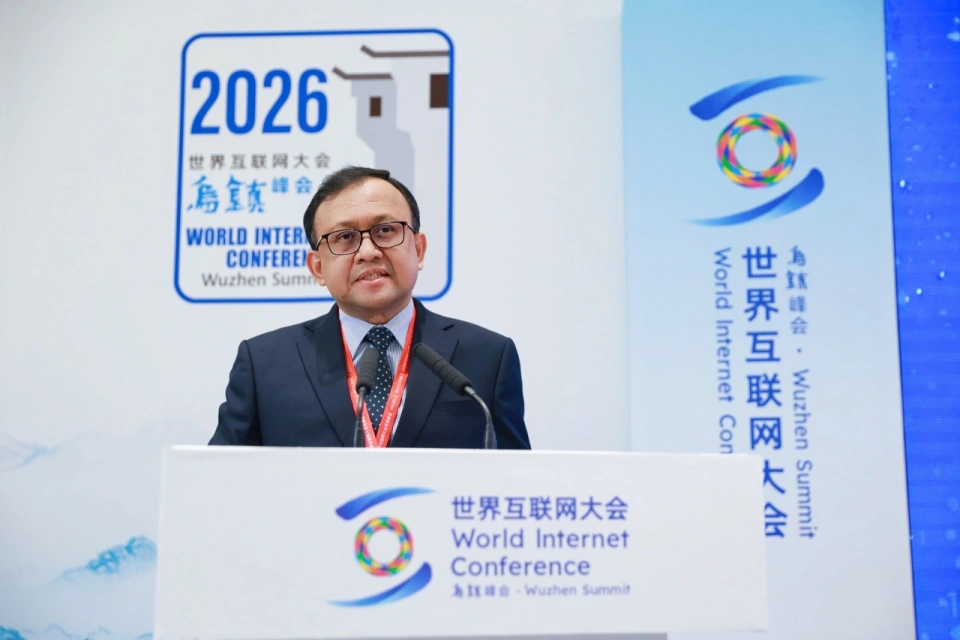
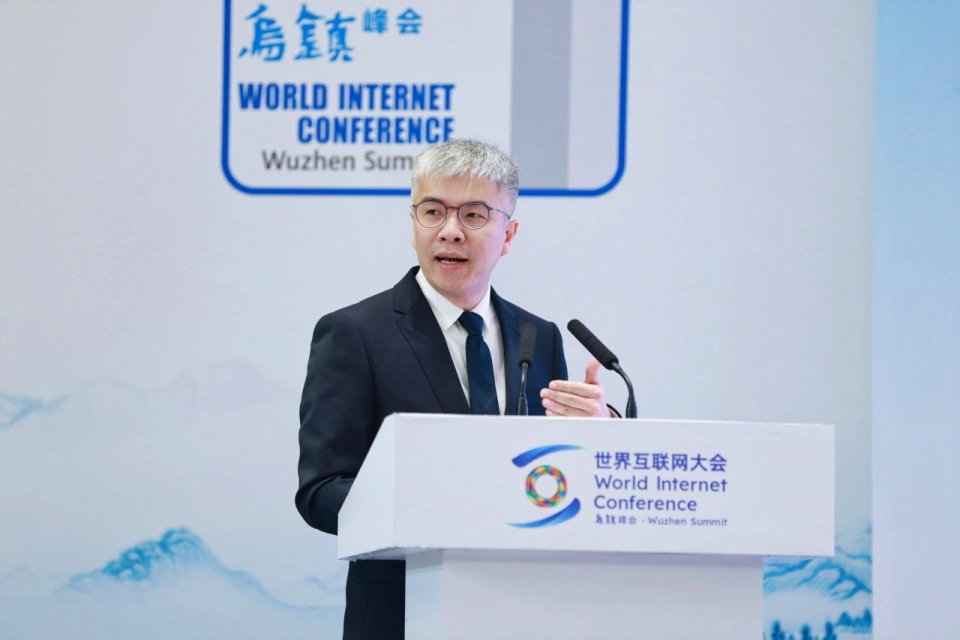

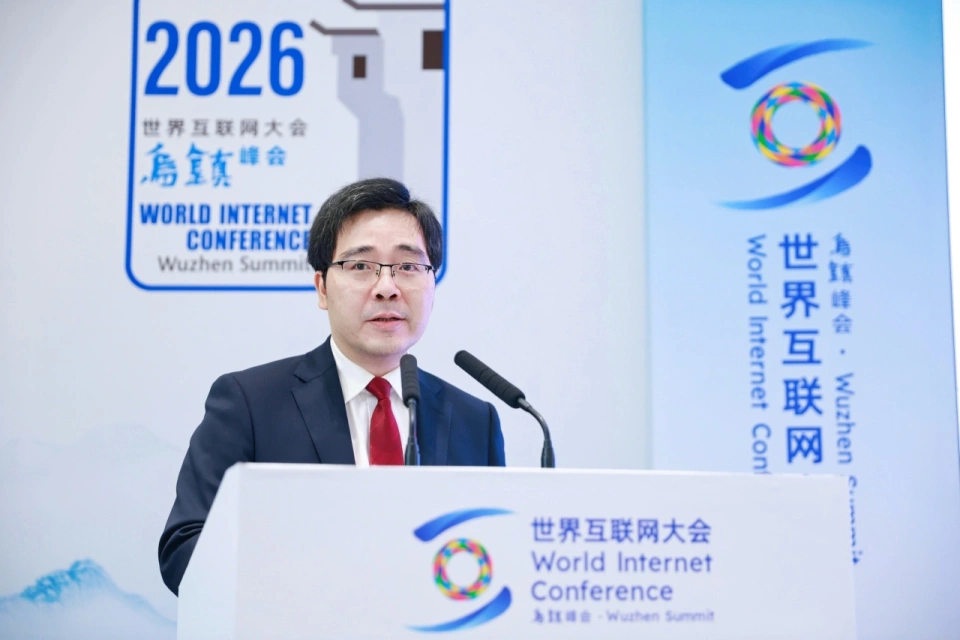
In the roundtable dialogue on "Co-construction and Ecology Landscape of AI Rule for Law" five panelists — Li Jiazan, Chief Cybersecurity and Privacy Officer of Huawei China; Zhang Yanan, Head of Domestic Data Compliance at Tencent; Tom Simpson, Managing Director for China Operations and Chief Representative of the China-Britain Business Council; Gunawan Hutagalung, Head of the Digital Talent Development Center of the Ministry of Communication and Digital Affairs of Indonesia; and Almeida Zacarias Machava, Professor at the Faculty of Law of the University of Macau — held in-depth discussions on the opportunities and challenges accompanying AI development, how to balance development and security in the AI field, and how to strengthen the co-building and sharing ecosystem for AI. The session was moderated by Wu Shenkuo.