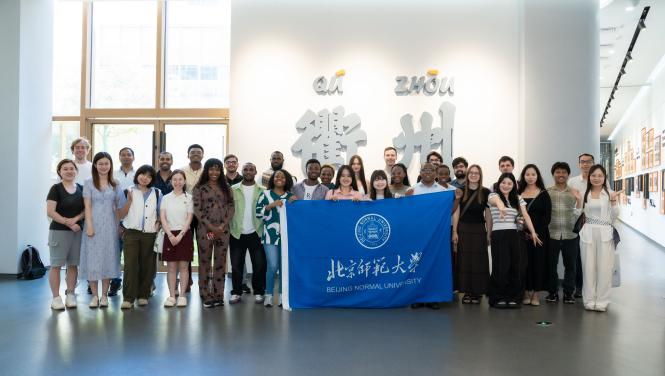

Beijing Normal University's International Students and Scholars Visited Quzhou, Zhejiang, for a "Perceiving China" Study Tour
From June 29th to July 4th, international students and scholars from Beijing Normal University (BNU) went to Quzhou, Zhejiang Province for a study tour. This event was hosted by the Office of International Exchange and Cooperation of BNU and organized by the Quzhou Southern Confucian Culture Development Center. Through various activities such as on-site research, intangible cultural heritage practice, industrial visits, and discussion and sharing, the tour focused on five themes: the lineage of Southern Confucianism, traditional intangible cultural heritage, ancient city humanities, rural revitalization, and cultural and creative emerging industries. It guided young people from around the world to immersively experience the real, three-dimensional, and comprehensive contemporary China.
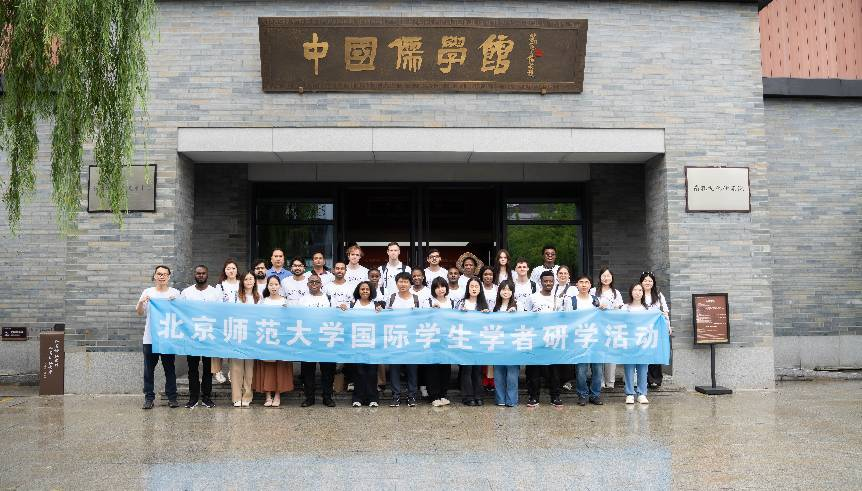
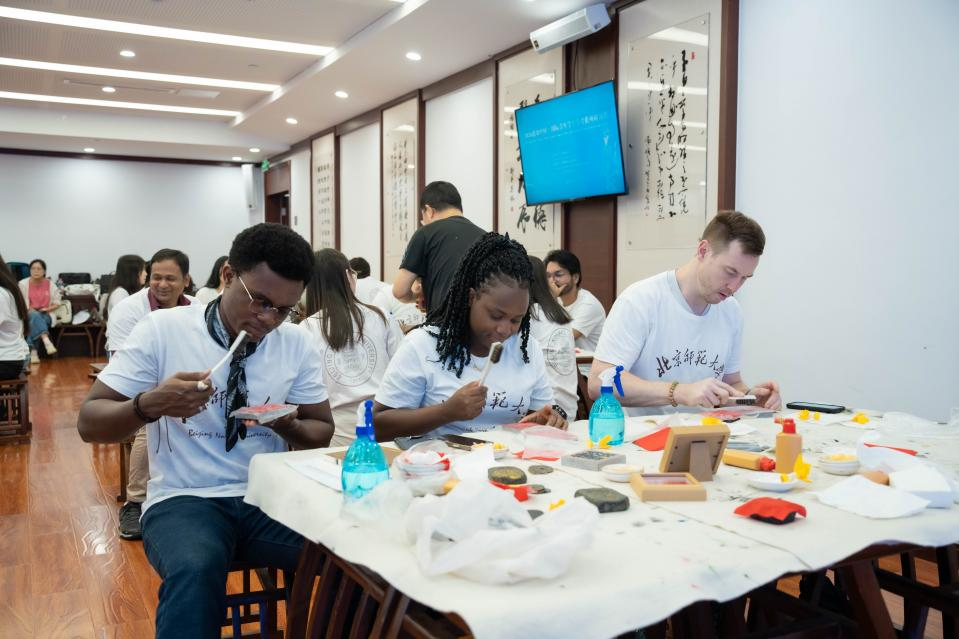
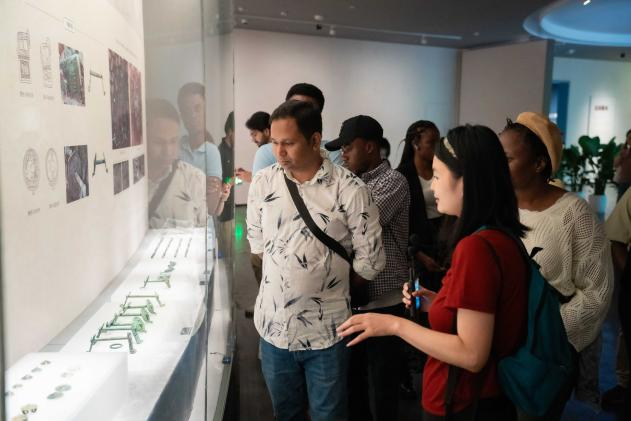
The opening ceremony was held at the Chinese Confucianism Museum on the morning of June 30th. After the ceremony, the campers experienced traditional rubbing techniques and personally felt the cultural power carried by ink and brush inscriptions on steles. They also visited the Chinese Confucianism Museum and sorted out the thousand-year development of Confucianism.
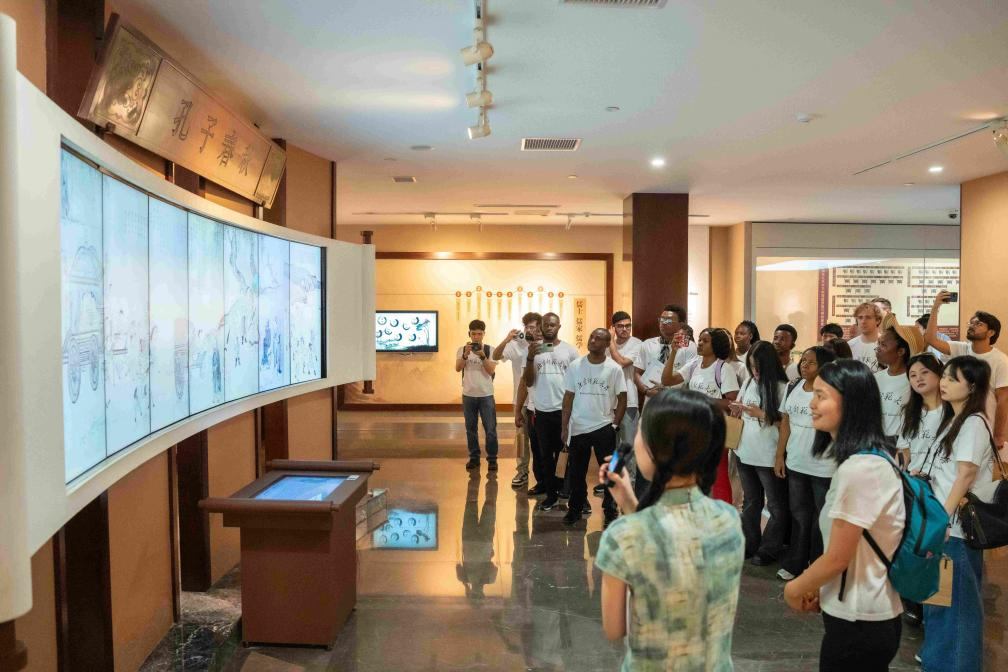
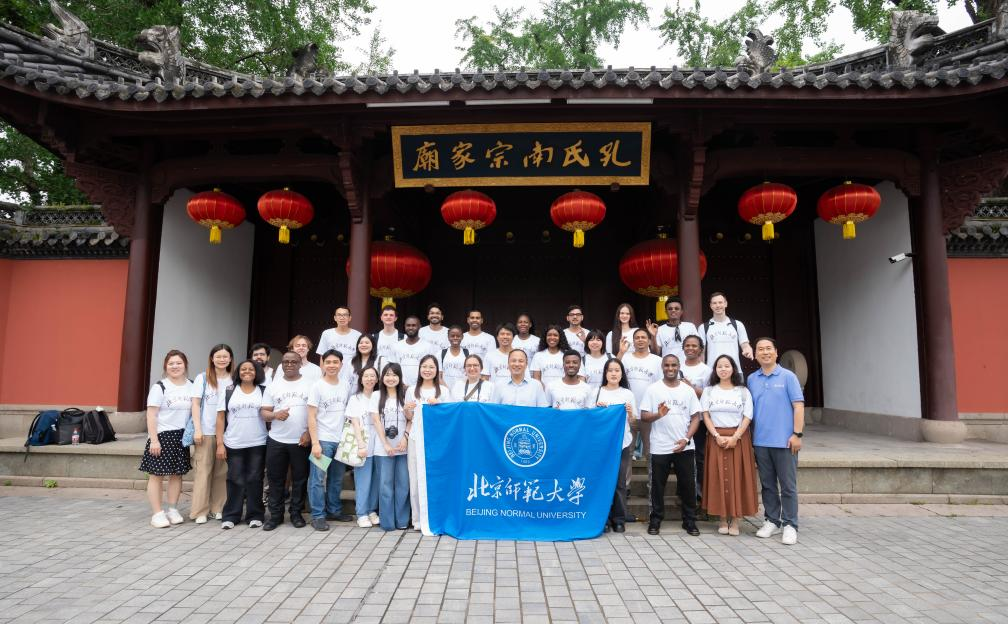
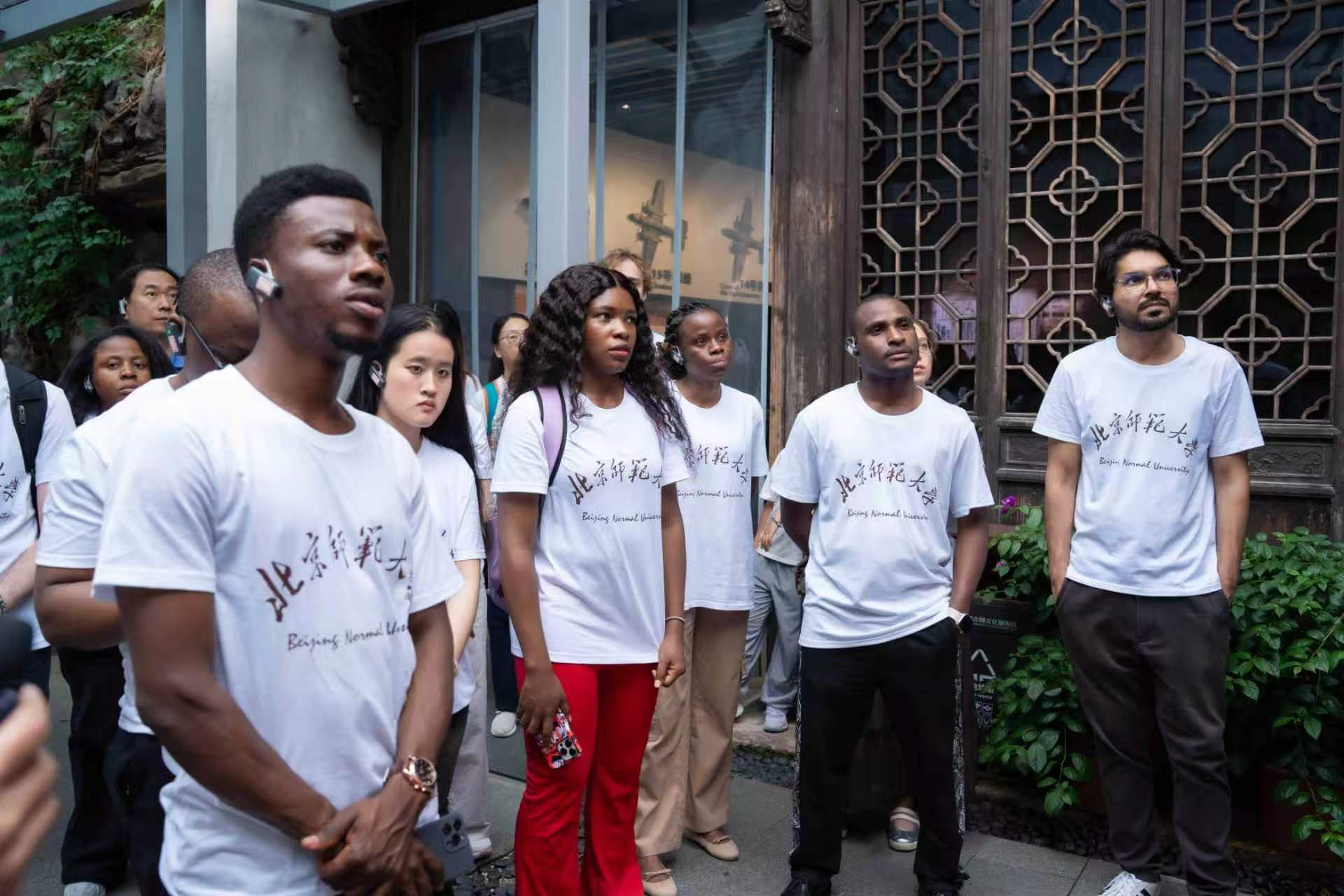
The study tour camp visited the Quzhou Confucius Ancestral Temple, experiencing the profound heritage of Confucian culture and the cultural imprints left by history. Besides, the camp visited many historical and cultural landmarks.
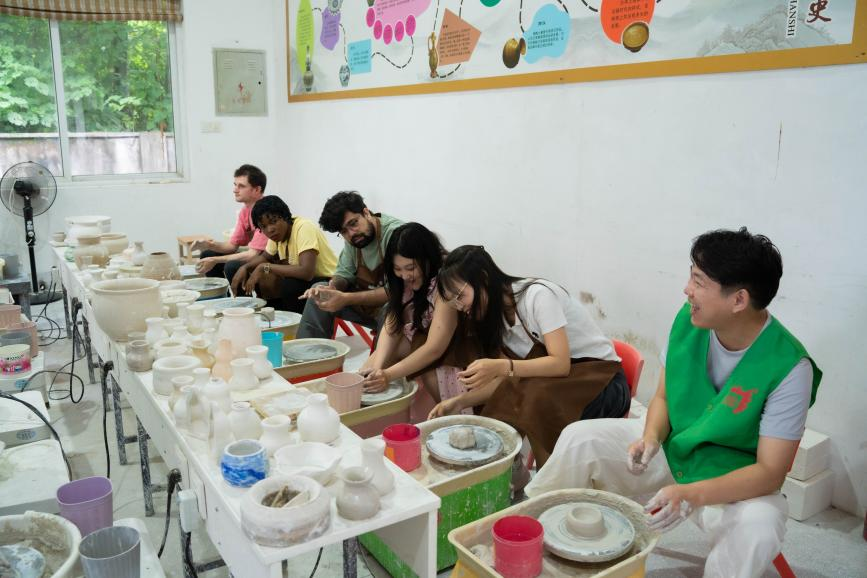
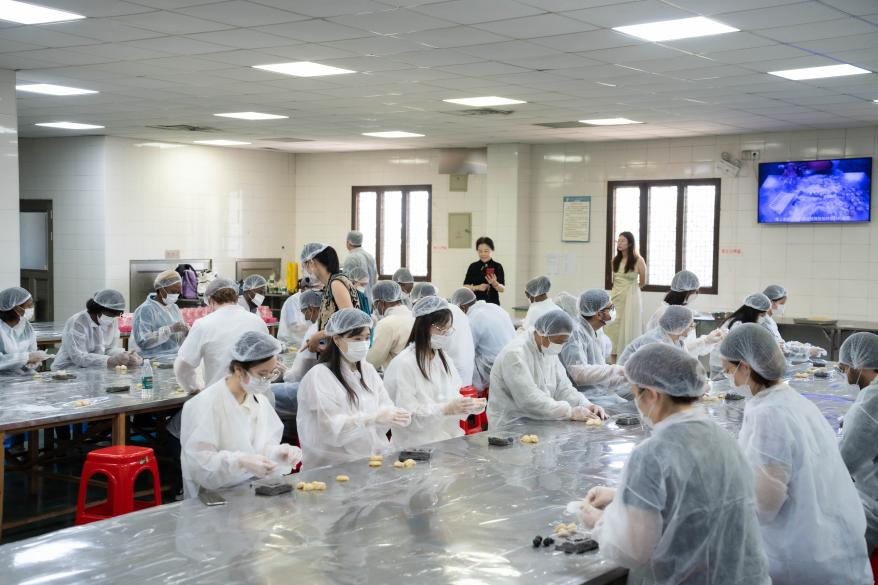
The study camp visited the national intangible cultural heritage Quzhou Yingbai Porcelain Inheritance Base – Huoshen Ceramics Co., Ltd. – to conduct an on‑site investigation of the entire production process of Yingbai porcelain, understand the current inheritance status and modern industrial development path of this traditional technique, and personally experience the porcelain art production processes of throwing and hand‑painting, getting a close‑up view of the beauty of traditional craftsmanship. They stepped into the century‑old brand Shao Yongfeng Food Workshop, observed the traditional process of making sesame cakes and had hands‑on practice, savoring the intangible cultural heritage passed down through generations in the form of local delicacies.
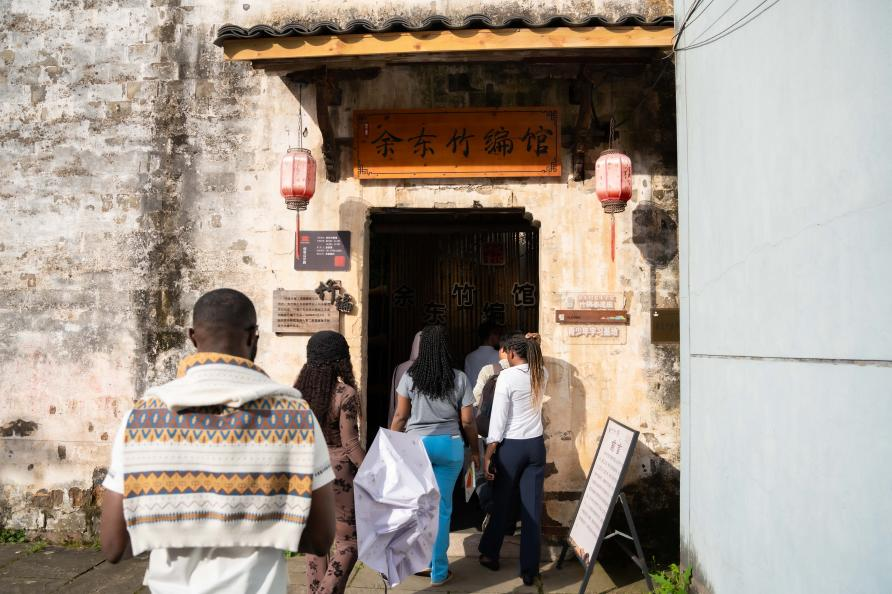
The campers traveled to the future village of Yudong, where they followed folk artisans to learn the creation of Yudong farmers' paintings and bamboo weaving skills, and conducted on-site investigations into the implementation achievements of cultural tourism empowering rural construction. In Nianbadu, they enjoyed the special puppet show performance and directly experienced the unique charm of local folk customs and intangible cultural heritage. The series of hands-on experiences break down the barriers of books, allowing young people from all over the world to appreciate the craftsmanship and cultural connotations behind traditional crafts through hands-on practice.
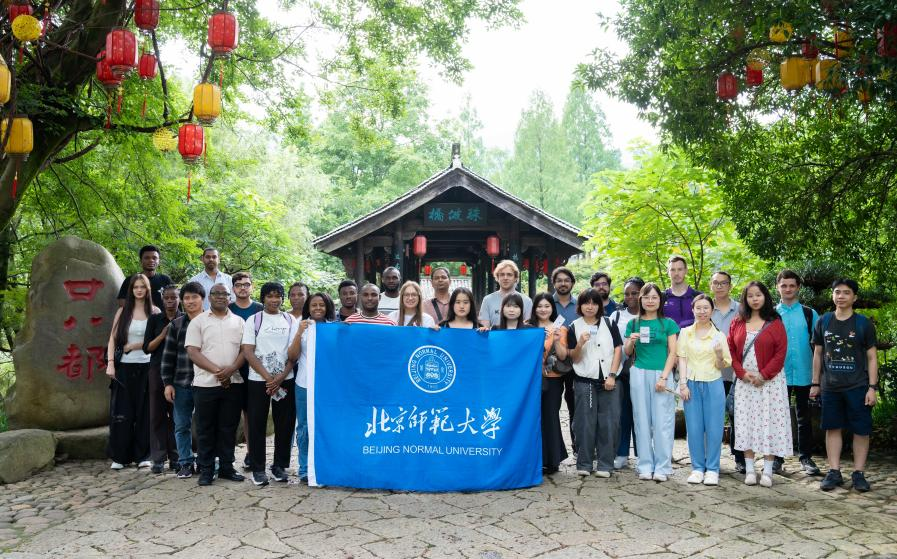
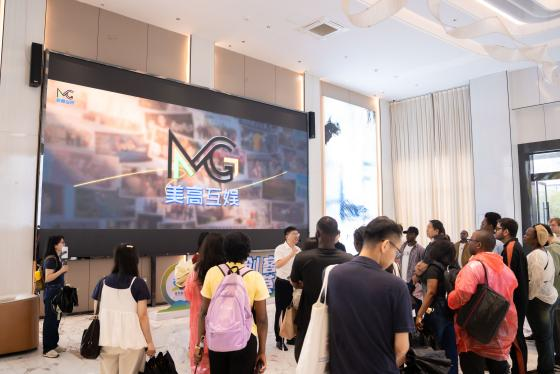
The campers visited the Quzhou City Exhibition Hall to gain a systematic understanding of urban planning, ecological construction, and development changes. They entered the Meigao Short Drama Super Factory to learn about the innovative practice of transforming idle old factories into cultural and creative industrial bases, and experienced firsthand the vivid cases of Quzhou's cultural industry transformation and upgrading. These industrial visits, blending the ancient and the modern, enabled international youth to directly observe examples of Chinese‑style modernization practices, including the innovative transformation of traditional culture and coordinated urban‑rural development. At the end of the study tour, all the teachers and students gathered at the Chinese Confucianism Hall to hold a summary, sharing and exchange meeting. Young people from various countries actively spoke up based on what they had seen and heard over the past few days, freely sharing the cultural experiences and intellectual gains brought by this trip to Quzhou. Diverse ideas collided and merged, and the atmosphere of on‑site communication was very lively.
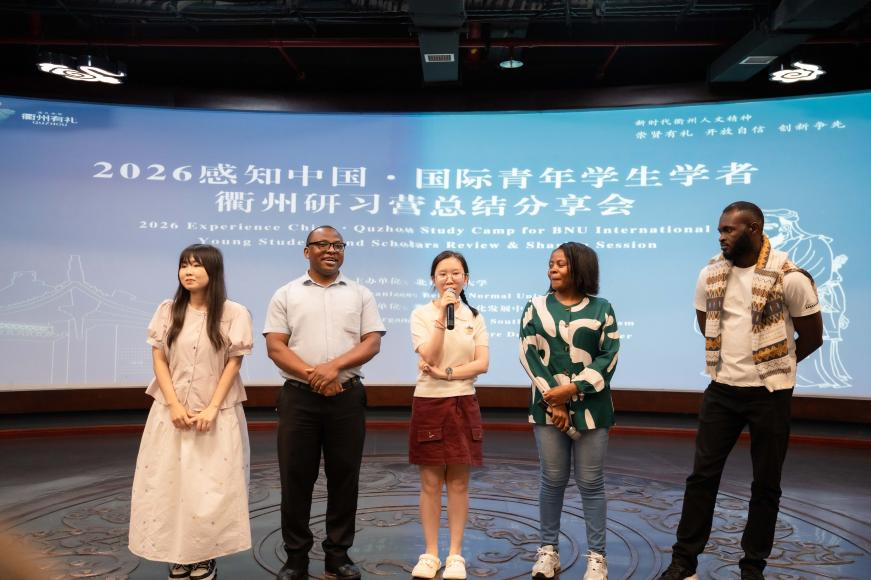
Through walking and immersive experiences, this study camp enabled young people from various countries to step out of their textbooks, personally touch the vitality of China's fine traditional culture, and directly perceive the vision of Chinese‑style modernization. The event took Southern Confucian culture as a bridge, built a regular channel for communication and dialogue between Chinese and foreign youth, vividly spread the stories of Chinese cultural heritage to the world, and continuously promoted mutual learning among world civilizations.