

Inaugural Smart Futures Youth Forum Connects Generations to Shape Education in the AI Age
The inaugural Smart Futures Youth Forum, held in Beijing and online on 23 October 2026, highlighted a central idea: artificial intelligence is a young endeavour, and an endeavour for the young.
Jointly initiated by young representatives from Africa, the Arab States, Asia and the Pacific, Europe and North America, and Latin America and the Caribbean, the Forum brought together young speakers from 13 countries and regions under the theme “We the Future: Imagine | Innovate | Impact.” It provided a platform for young people to contribute their experiences, creativity and aspirations to shaping education in the AI age, supported by dialogue and mentorship across generations.
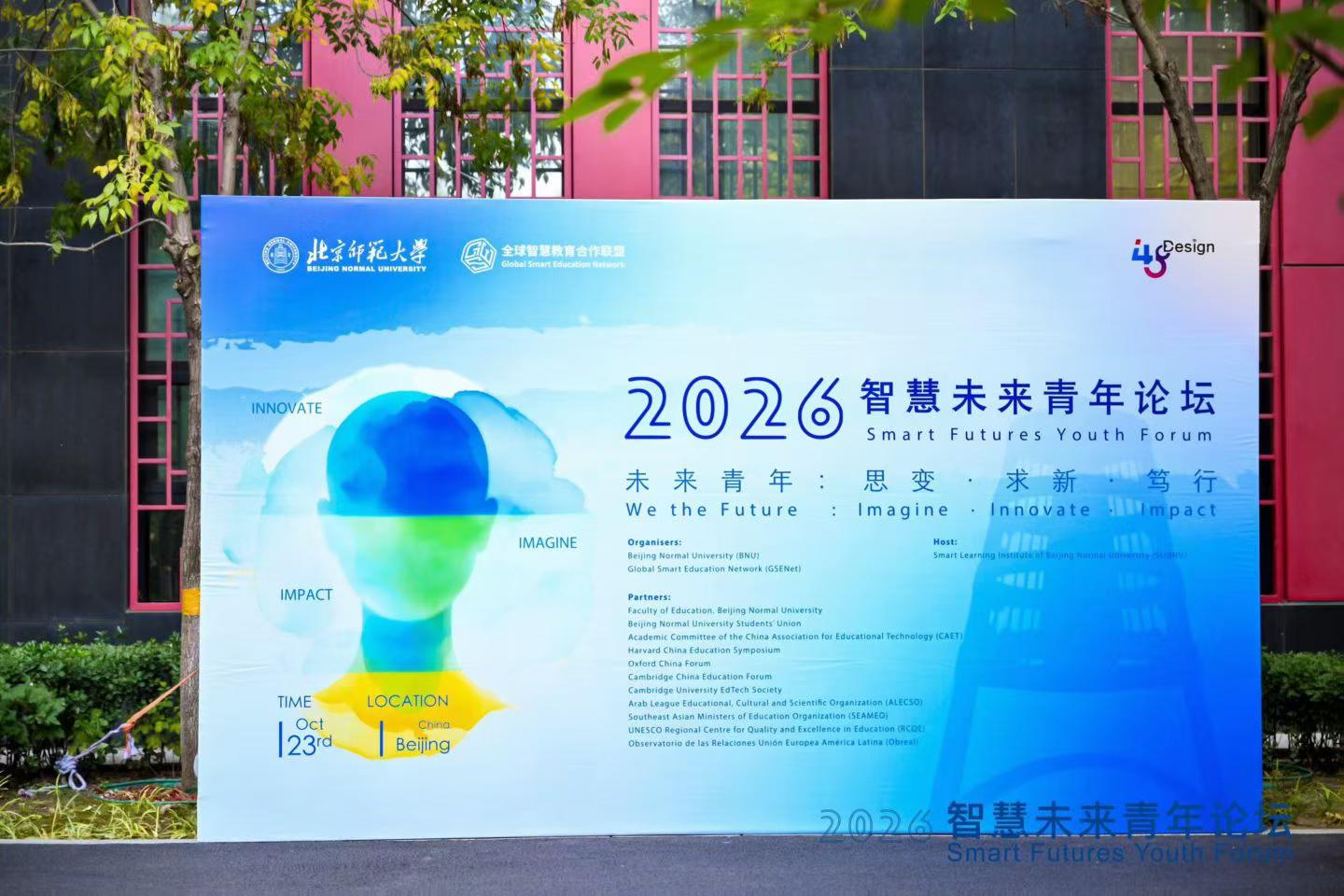
The Forum was jointly organised by Beijing Normal University (BNU) and the Global Smart Education Network (GSENet), and hosted by the Smart Learning Institute of Beijing Normal University (SLI-BNU).
An opening dialogue across four generations formed a central part of the programme. Experts and young participants asked questions of one another, exploring young people’s agency, AI literacy and the support needed to translate ideas into action. The exchange embodied a spirit of mentorship—sharing knowledge, offering guidance and supporting the next generation—while encouraging mutual learning and inspiration. It connected the experience of established scholars with the perspectives and creativity of young people.
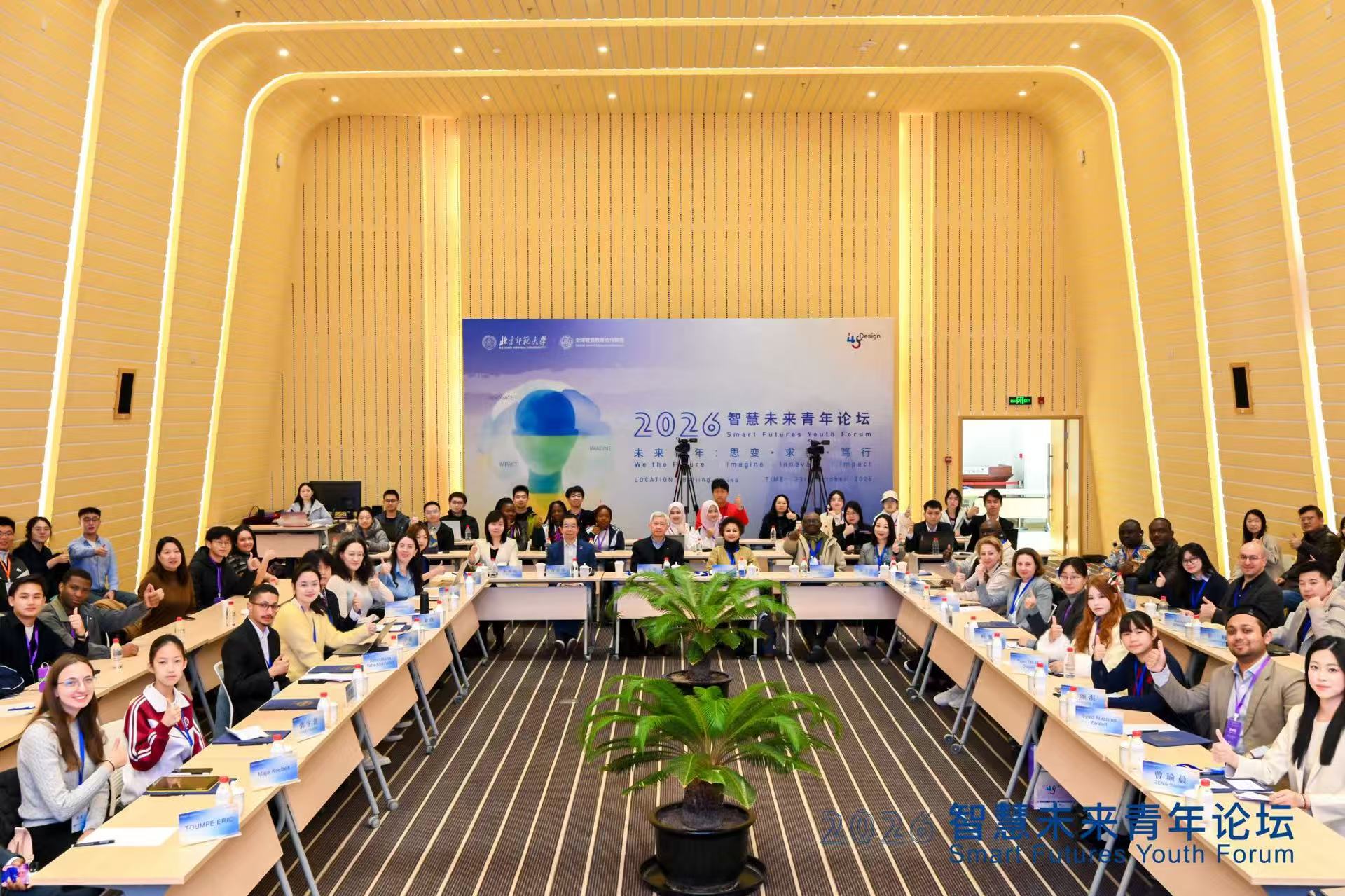
Three interconnected themes guided the discussions. Imagine explored young people’s aspirations for education in the AI age and beyond 2030. Innovate focused on youth-led approaches to inclusive and equitable learning. Impact examined the capabilities, partnerships and practical opportunities needed to turn ideas into responsible action. Together, these discussions highlighted the importance of independent judgement, creativity and meaningful youth participation as AI reshapes learning and society.
Through the Forum, BNU and GSENet aim to connect young people’s aspirations with research and practice, strengthen cooperation across regions and generations, and bring youth perspectives into wider discussions on the global education agenda beyond 2030.