
The Sino-Brazilian Symposium on Law and Artificial Intelligence Held at Beijing Normal University
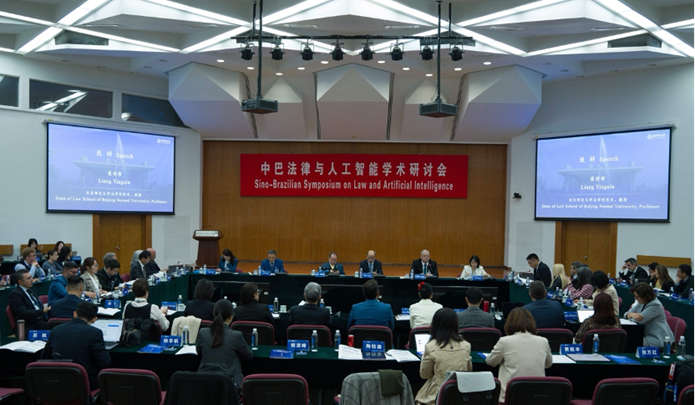
On October 14, the Sino-Brazilian Symposium on Law and Artificial Intelligence, hosted by the Law School of Beijing Normal University, was convened. The event brought together more than seventy representatives from China and Brazil.
The Brazilian delegation included students from judicial academies across various states, judges, and university professors. The Chinese participants came from the National Judges College, local legal institutions, and universities. The attendees engaged in in-depth discussions on topics such as the application of artificial intelligence in the judicial system, algorithmic transparency, and institutional innovation, showing the shared concerns and cooperative intentions of China and Brazil regarding cutting-edge issues in digital rule of law.
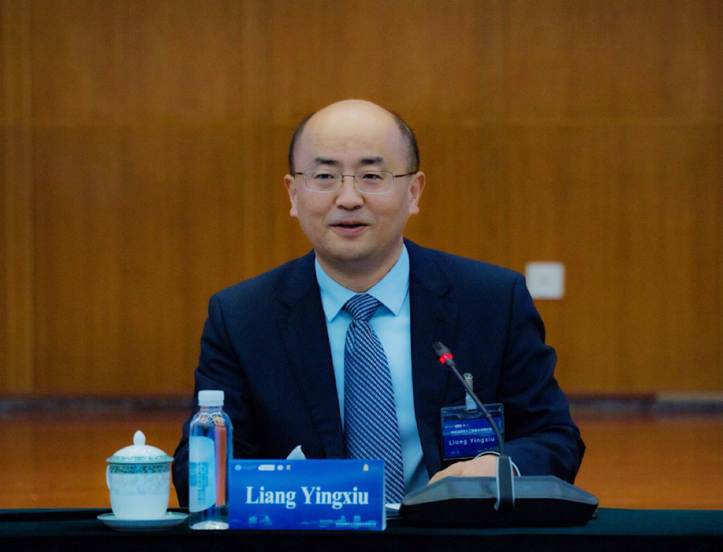
Liang Yingxiu, Dean of the Law School at Beijing Normal University, reviewed BNU’s long-standing and in-depth tradition of cooperation with various sectors in Brazil over the past decade. He noted that Beijing Normal University has been continuously exploring areas such as digital governance, artificial intelligence governance, and digital justice, while maintaining close interaction with Brazilian universities and judicial institutions. Looking ahead, the Law School of Beijing Normal University is committed to further collaboration with its Brazilian partners in scientific research and talent cultivation.
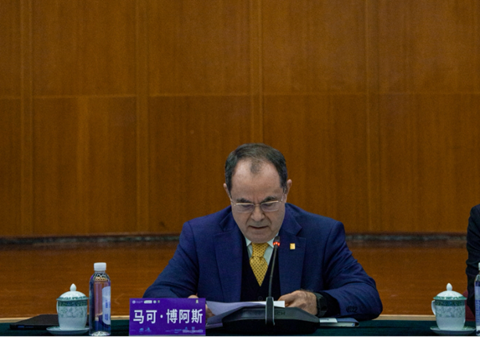
Marco Boas, President of the COPEDEM, remarked in his speech that the symposium was not only an academic exchange but also a bridge connecting the two countries. He spoke highly of China’s achievements in social development and artificial intelligence strategies, noting that China’s experience offers valuable insights for Brazil in formulating its own national strategies. He also expressed his hope that the symposium would foster long-term cooperation between China and Brazil in the fields of academia, judiciary, and technology.
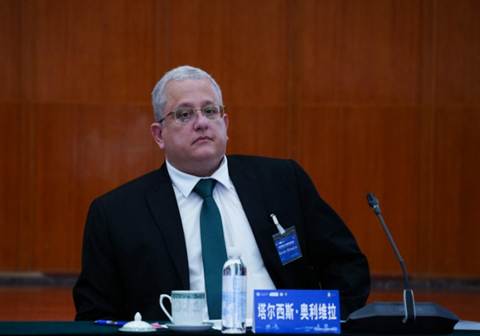
Tarsis Oliveira, Professor at the Federal University of Tocantins, emphasized that artificial intelligence is enhancing the efficiency of judicial processes, while at the same time requiring strong ethical frameworks and algorithmic transparency. He expressed his hope that this symposium would serve as a new starting point for deepening academic cooperation between the two countries.
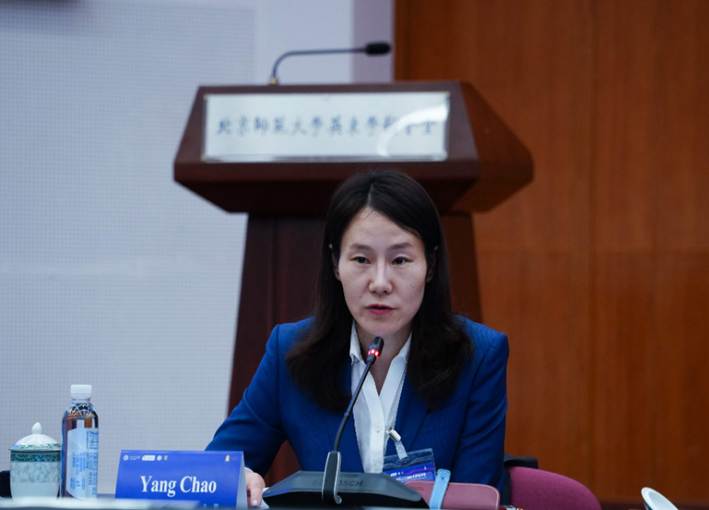
The holding of this symposium marks a new stage of development in the cooperation between China and Brazil in the fields of law and artificial intelligence. Representatives from both sides unanimously expressed that they would take this symposium as an opportunity to further expand the scope of cooperation, promote in-depth exchanges of knowledge and experience, jointly explore the path of modernizing the rule of law under the background of artificial intelligence, and contribute wisdom to building a just and people-oriented digital society. The opening ceremony was presided over by Yang Chao, director of the International Cooperation and Exchange Office of the Law School of Beijing Normal University.
In the subsequent forum sessions, legal scholars and practitioners from both countries engaged in in-depth discussions on topics such as the application of AI in judicial activities, regulatory approaches for AI in judicial practice, and strategies for evaluating and implementing trustworthy judicial AI.
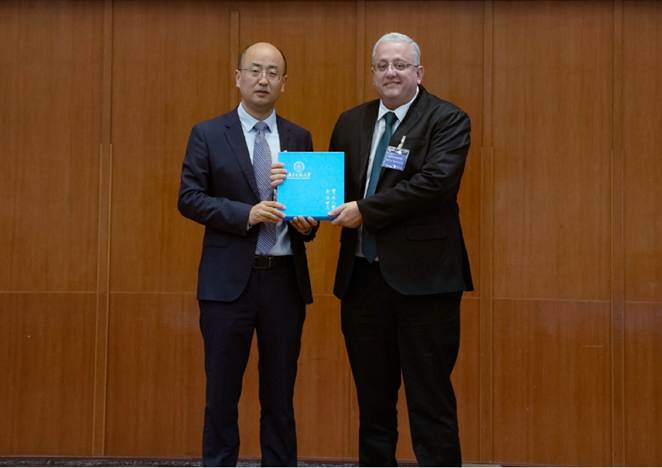
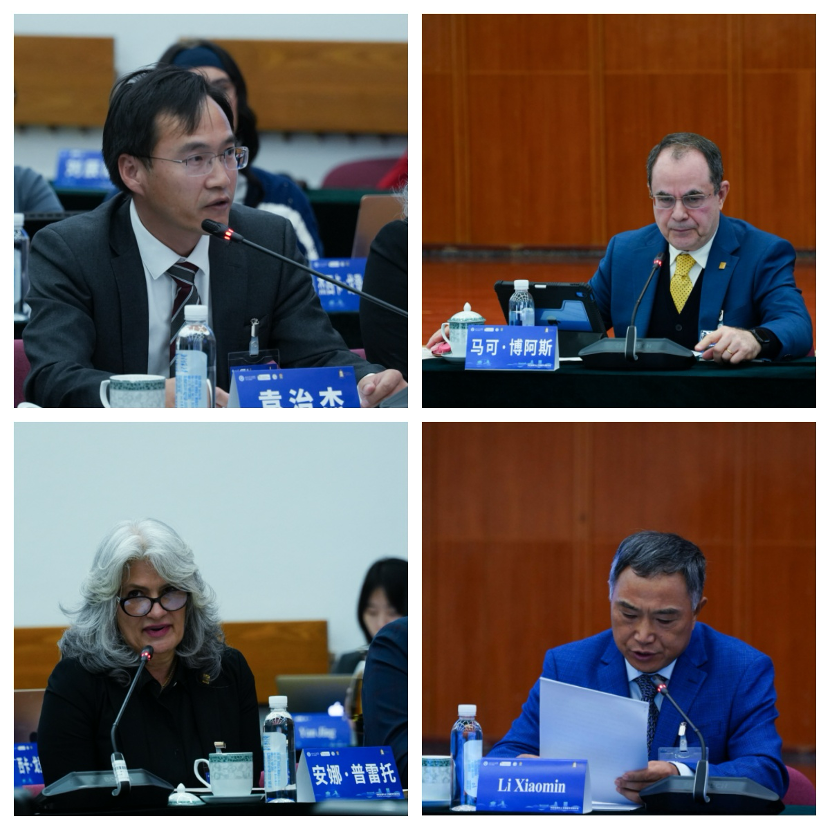
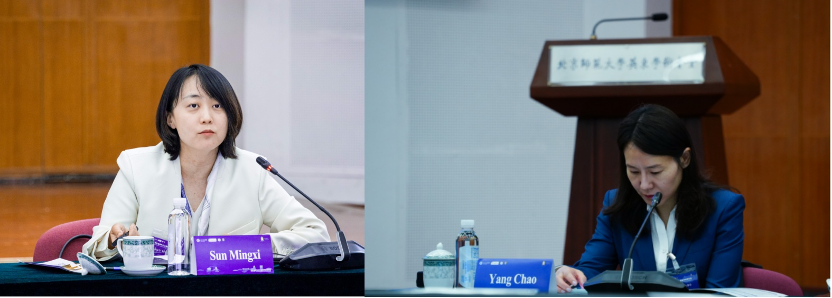
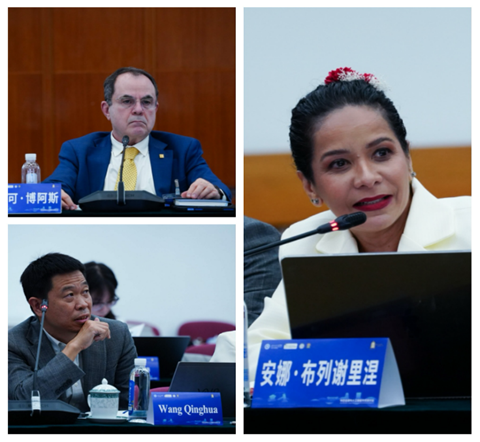
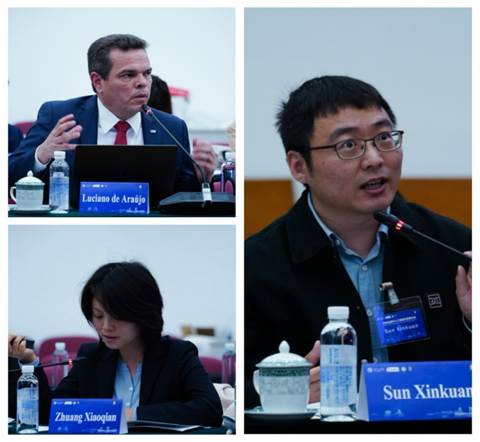
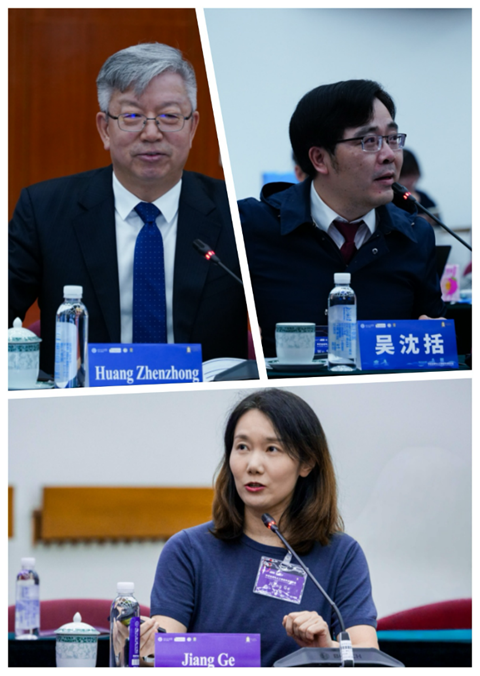
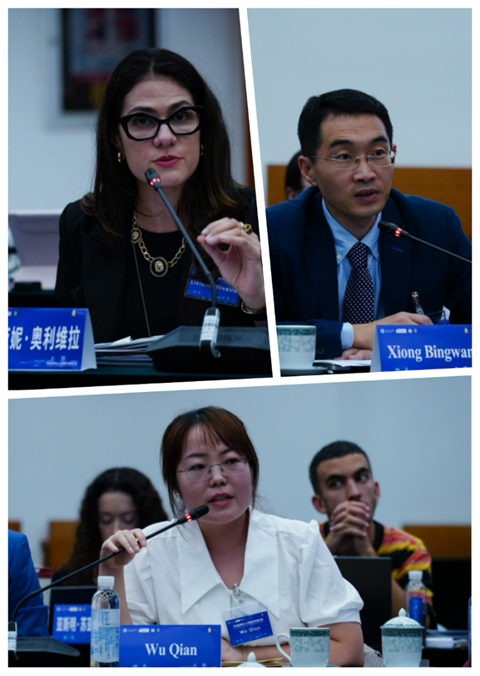
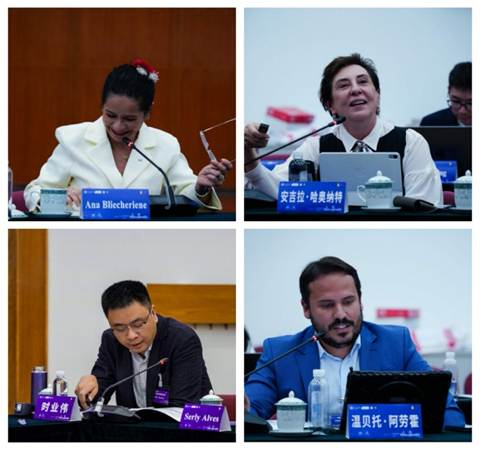
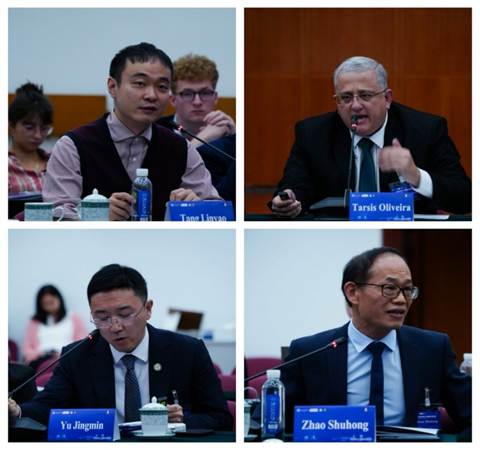
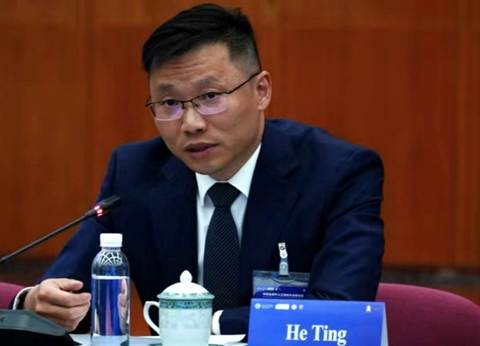
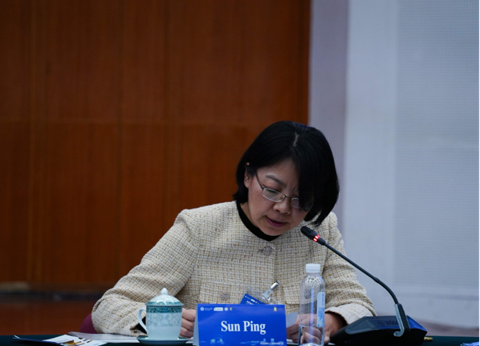
At the closing ceremony of the symposium, He Ting, the vice dean of the Law School of Beijing Normal University, delivered the closing speech on behalf of the organizers. He pointed out that this symposium focused on the cutting-edge topics of artificial intelligence and judicial applications, gathering wisdom and experience from the academic and practical fields of China and Brazil. The exchanges were in-depth and the achievements were fruitful. He expressed his gratitude to the experts and scholars present for their active participation, as well as to the conference organizing team and volunteers for their hard work. He also expressed the hope that both institutions would take this symposium as an opportunity to continuously deepen cooperation and promote the research on artificial intelligence governance and judicial practice to produce more shareable and promotable results. This session was hosted by Sun Ping, an associate professor from the Law School of Beijing Normal University.