

International Forum on China-foreign Literary Exchange Along the Belt and Road Held at BNU Zhuhai
On December 13, the International Forum on China-foreign Literary Exchange: The Blooming Flowers of Poetry Along the Belt and Road was held at the Zhuhai Campus of Beijing Normal University (BNU Zhuhai). Scholars, poets, writers, translators, and publishers from universities including Peking University, Beijing Normal University, Beijing Foreign Studies University, Shanghai International Studies University, Jinan University, and South China Agricultural University, as well as from countries such as North Macedonia, Italy, Greece, Norway, and Indonesia, participated in the forum. Discussions focused on poetry creation, translation practices, and intercultural exchange in the context of the Belt and Road Initiative.

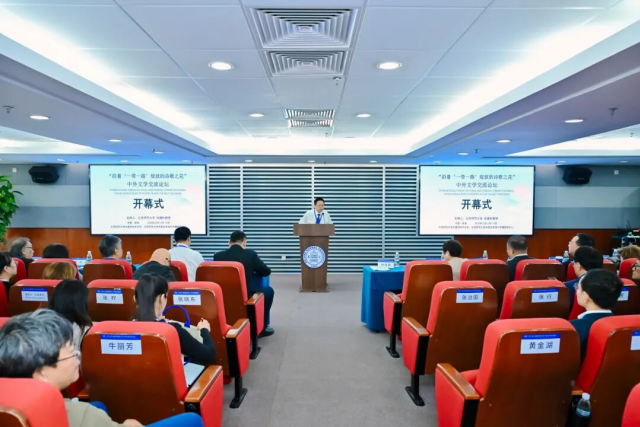
The forum was hosted by the Department of Chinese Language and Literature, Faculty of Arts and Sciences, Beijing Normal University, under the guidance of the International Liaison Department of the China Writers Association. It was co-organized by the Institute of Chinese Culture | Jingshi Academy of BNU, the Zhuhai Writers Association, and Huacheng Academy of Literature. The event aimed to promote international literary dialogue and explore new approaches to cross-cultural communication in contemporary poetry.The opening ceremony took place at the International Center of BNU Zhuhai. Welcome addresses were delivered by Zheng Lei, Deputy Director of the International Liaison Department of the China Writers Association; Kong Yi, Deputy Secretary of the Party Committee of BNU Zhuhai ; Zhong Jiayong, Dean of the Faculty of Arts and Sciences; Feng Ronghua, Vice Chairperson of the Zhuhai Federation of Literary and Art Circles; Xiao Kai, Deputy Dean of the Institute of Chinese Culture | Jingshi Academy; Xu Baofeng, Dean of the College of Sinology and Chinese Studies (Belt and Road Research Institute), Beijing Language and Culture University; and Zhang Kunling, Secretary of the Party Branch of the BNU Belt and Road School. The ceremony was chaired by Yao Jianbin, Director of the Department of Chinese Language and Literature.
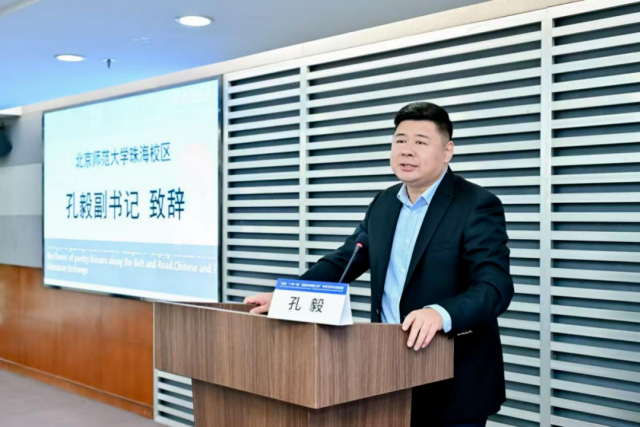
In his remarks, Kong Yi emphasized BNU Zhuhai's commitment to fostering international academic platforms and strengthening literary dialogue with countries along the Belt and Road.
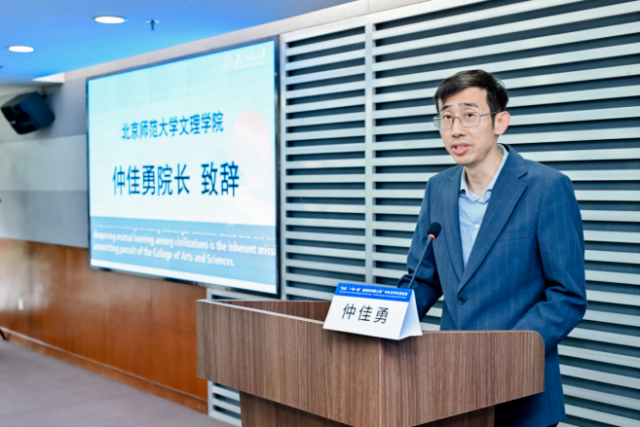
Zhong Jiayong highlighted poetry’s role in facilitating cross-cultural understanding and noted the Faculty’s efforts to integrate humanities and sciences while promoting international exchange.
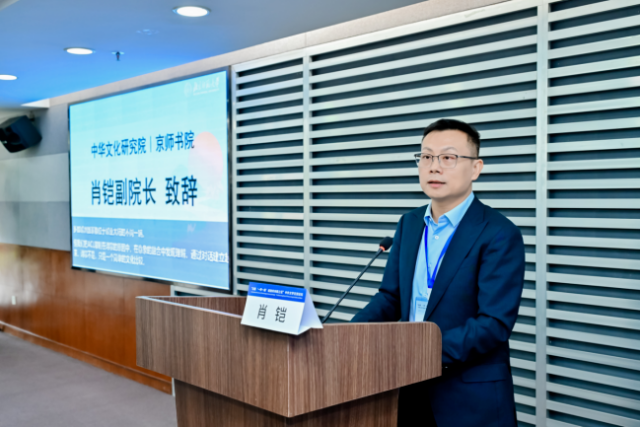
Xiao Kai outlined the Institute’s ongoing initiatives to advance comparative literary studies and intercultural academic cooperation.
Zheng Lei reviewed the China Writers Association’s international literary programs and underscored the importance of sustained collaboration among writers, scholars, translators, and publishers.

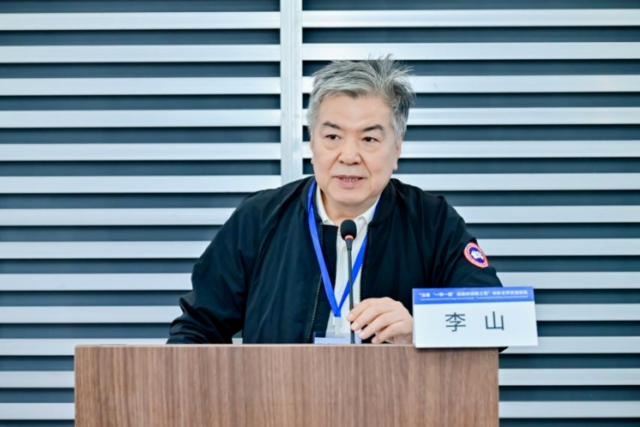
The forum program included keynote speeches, the launch of the bilingual poetry anthology Sunlight Shines from Both Sides: Contemporary Chinese and North Macedonian Poetry, panel discussions, and a poetry reading session.Professor Li Shan from the Department of Chinese Language and Literature, Faculty of Arts and Sciences, Beijing Normal University, examined poems such as Juan’er and Jing Zhi from The Book of Songs. He proposed an interpretive approach that moves from textual structure to musical performance and ritual practice, highlighting how Western Zhou ritual and music culture emphasized social harmony and ethical integration.
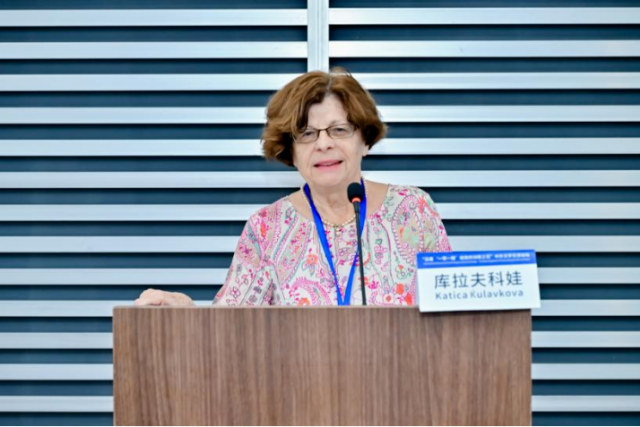
Katica Kulavkova, Academician of the Macedonian Academy of Sciences and Arts, presented a comparative study of three key poets—Kočo Racin, Blaže Koneski, and Aco Šopov—demonstrating how they led Macedonian poetry from folk traditions toward modern literary forms and contributed to the formation of a modern poetic identity.
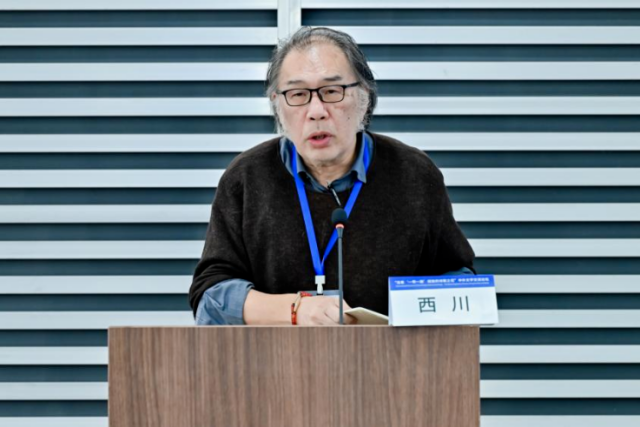
Poet Xi Chuan discussed contemporary poetry writing from four different regions, drawing on his own creative work and international experience. He compared linguistic styles and creative approaches across regions and addressed how poetry can preserve local specificity and individual voice in a global context.
Igor Radev, a Sinologist and professor from North Macedonia, explored whether artificial intelligence can appreciate poetry generated by itself, examining the conceptual paradoxes and theoretical challenges involved in attempts to humanize AI through poetic creation.

Professor Liu Hongtao of Beijing Normal University reviewed the century-long development of modern Chinese poetry and outlined multiple pathways through which Chinese poetry has entered global literary circulation. He stressed the need for new poetic awareness amid linguistic innovation and formal experimentation.Professor Zhang Yan from the Department of Foreign Languages, Beijing Normal University, emphasized that poetry is rooted in concrete lived experience and argued that cross-cultural poetry teaching should return to the fundamental question of how humans perceive and experience the world.

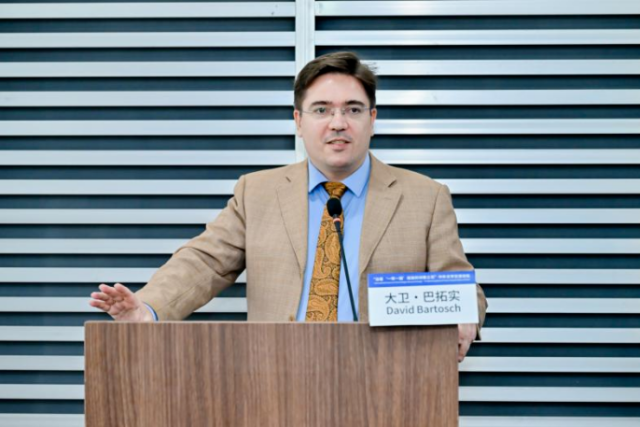
German scholar David Bartosch examined the influence of the I Ching on the science fiction works of Philip K. Dick, discussing how elements of traditional Chinese thought have shaped Western contemporary literary imagination.
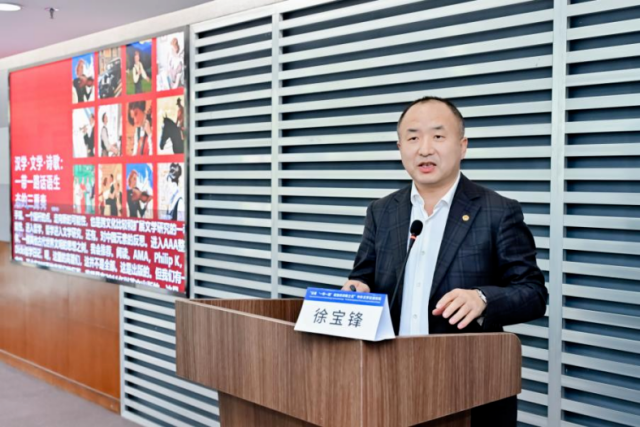
Professor Xu Baofeng of Beijing Language and Culture University highlighted the role of literature and poetry in facilitating cross-cultural understanding and people-to-people exchange. He suggested that literary narratives and Sinology research can help bridge cultural differences and enhance international cooperation.
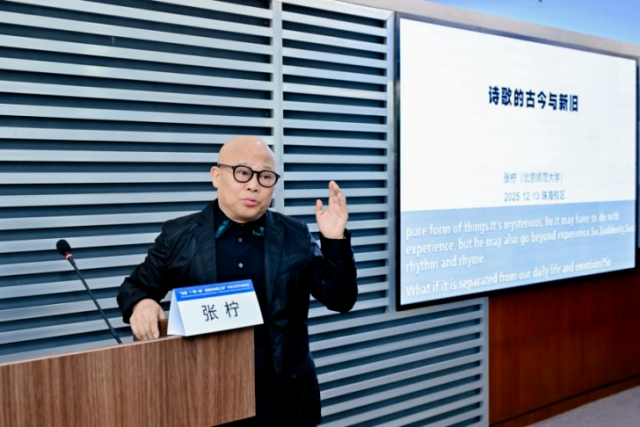
Sara Cvetanovska, a Sinologist from North Macedonia, presented her research on poetry exchange between China and North Macedonia, analyzing translation flows, publishing networks, and reader reception to illustrate recent developments and future potential in bilateral poetic exchange.Professor Zhang Ning of Beijing Normal University discussed the parallel development of modern Chinese poetry and cinema, noting the long-standing challenges poetry has faced in creation and dissemination. He called for diversified evaluation systems and cross-media communication to revitalize poetry’s public presence.
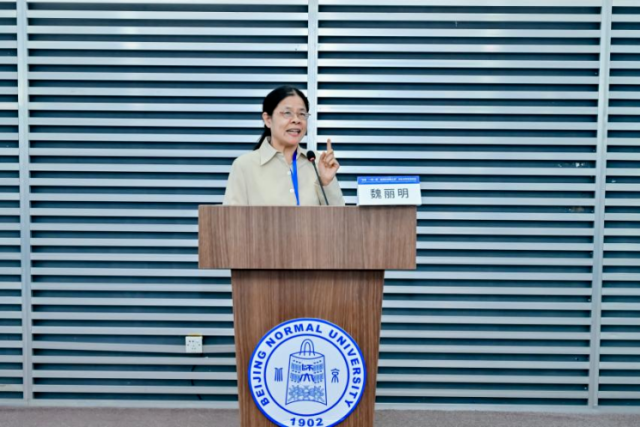
Professor Wei Liming from Peking University examined Rabindranath Tagore’s views on translation by analyzing his Bengali adaptations of Scottish songs, highlighting Tagore’s concept of “creative betrayal” in cross-cultural translation.
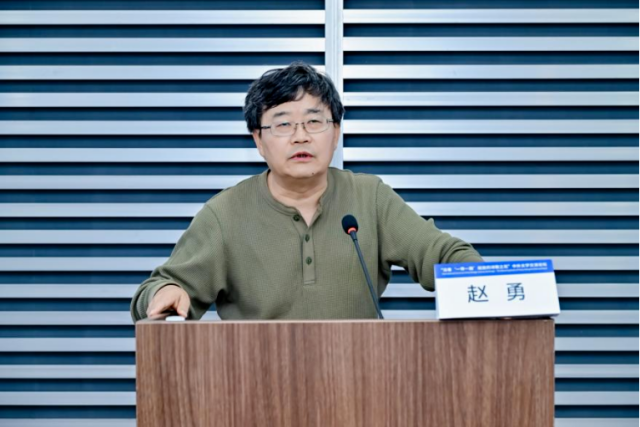
Professor Zhao Yong of Beijing Normal University reflected on the poetry movement at Shanxi University in the 1980s, using his own shift from participant to observer to examine poetry’s influence on intellectual growth and its lasting cultural impact.
Monica Bezzegato, an Italian scholar and faculty member at Beijing Foreign Studies University, analyzed the Chinese translations of Dante and the English translations of Qu Yuan, illustrating how classical poetry gains enduring vitality through cross-cultural translation.
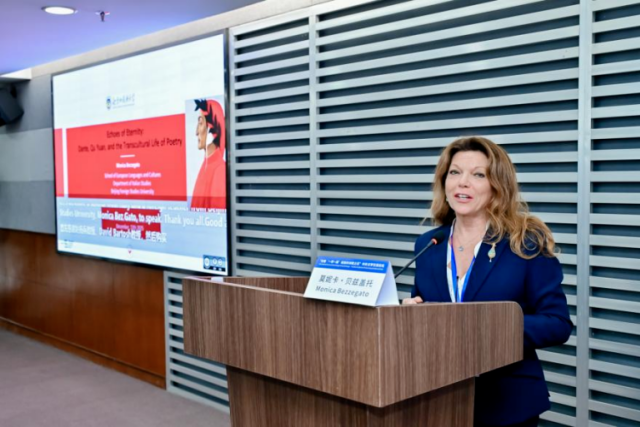
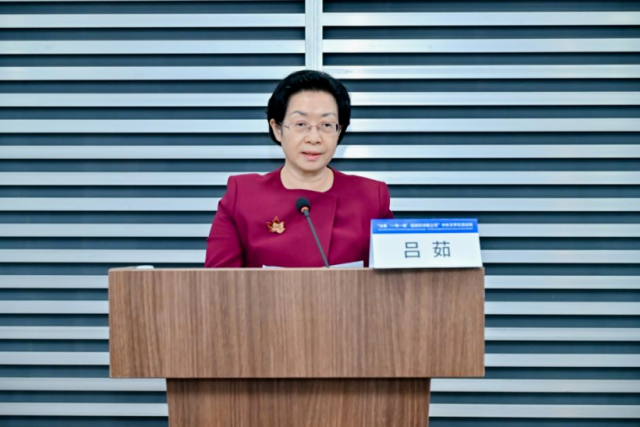
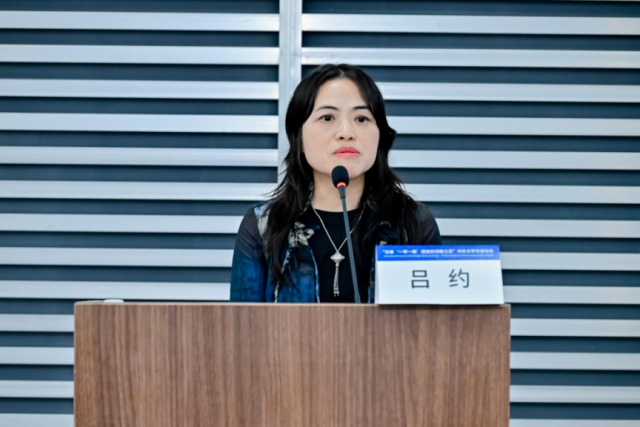
Poet Lv Ru, Director of the Committee on Science, Education, Culture, Health, and Sports of the Zhuhai Municipal CPPCC, discussed Zhuhai's historical role along the Maritime Silk Road and emphasized poetry’s function as a medium for cross-cultural dialogue.
Professor Wang Ying of South China Agricultural University, Hendy Yuniarto from Beijing Foreign Studies University, and Professor Liu Jiangkai of the Institute of Chinese Culture | Jingshi Academy, Beijing Normal University, addressed the global orientation of modern Chinese poetry, the reception of Chinese literature in Indonesia, and the construction of digital literary communities, respectively.
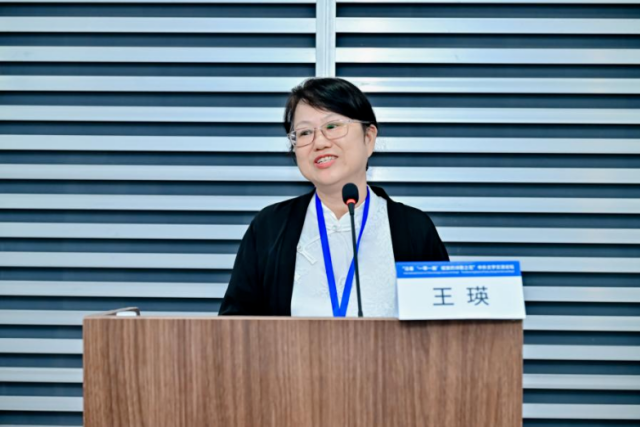
Wang Ying delivers her presentation

Hendy Yuniarto delivers his presentation
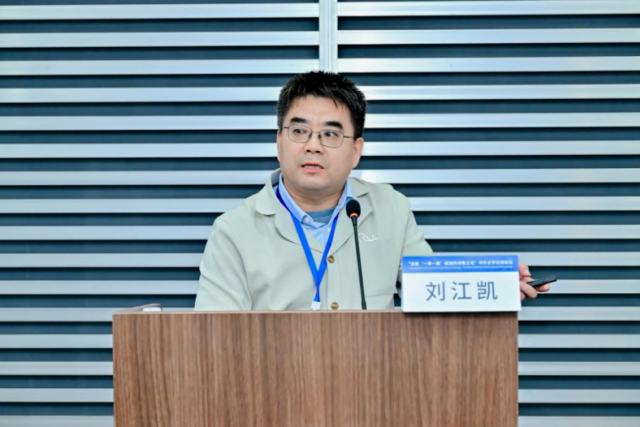
Liu Jiangkai delivers his presentation
Zhao Si, Deputy Editor of Poetry Journal, Associate Professor Min Xuefei of Beijing Foreign Studies University, and writer Chen Chongzheng, Vice Chairman of the Guangzhou Writers Association, reflected on literary exchange across borders, translation as dialogue, and personal motivations for writing poetry, highlighting poetry’s role in connecting individual experience with contemporary society.
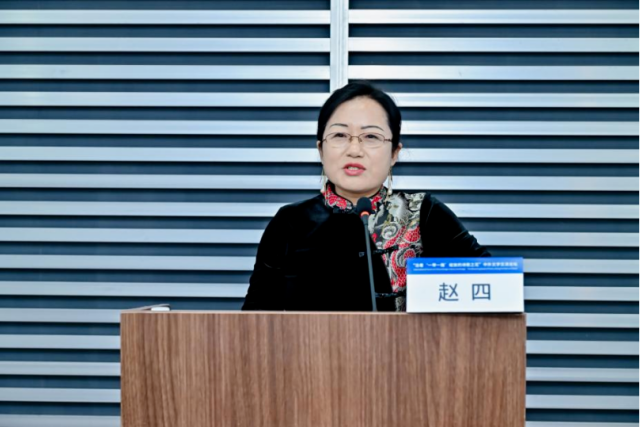
Zhao Si delivers her presentation

Min Xuefei delivers her presentation
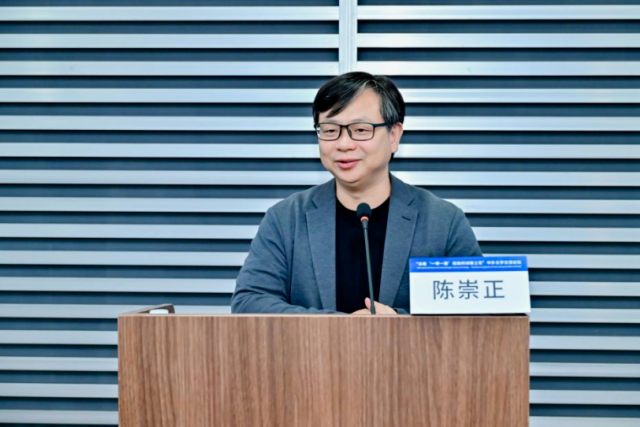
Chen Chongzheng delivers his presentation
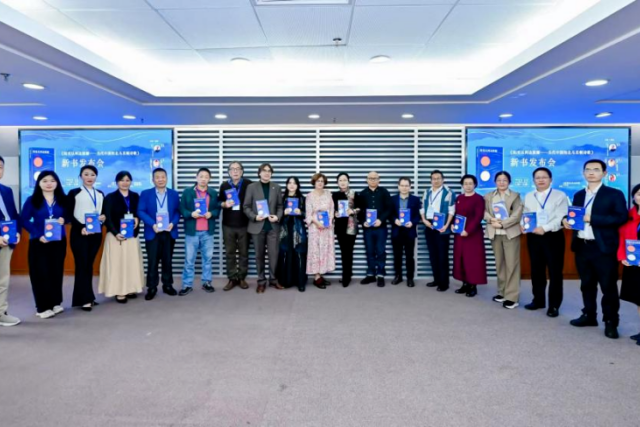
The afternoon session featured the book launch of Sunlight Shines from Both Sides, with editors, translators, and poets sharing insights into the anthology’s compilation and translation process. Panel discussions followed, with 16 scholars engaging in thematic dialogues on poetry translation, reception, and theory.

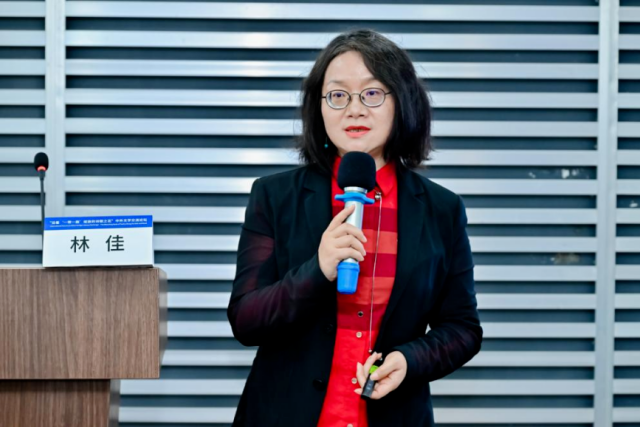
In the evening, a multilingual poetry reading titled Poetry Night under the Belt and Road Initiative was held at the Lishen Hall. Poets and scholars from multiple countries, along with faculty and students, participated in readings and musical performances.
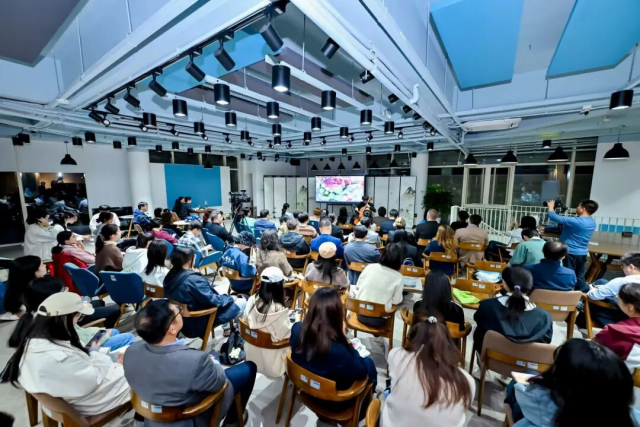
Through its diverse academic sessions and cultural activities, the event provided a platform for international literary exchange and contributed to Beijing Normal University's efforts in advancing global academic engagement in the humanities.