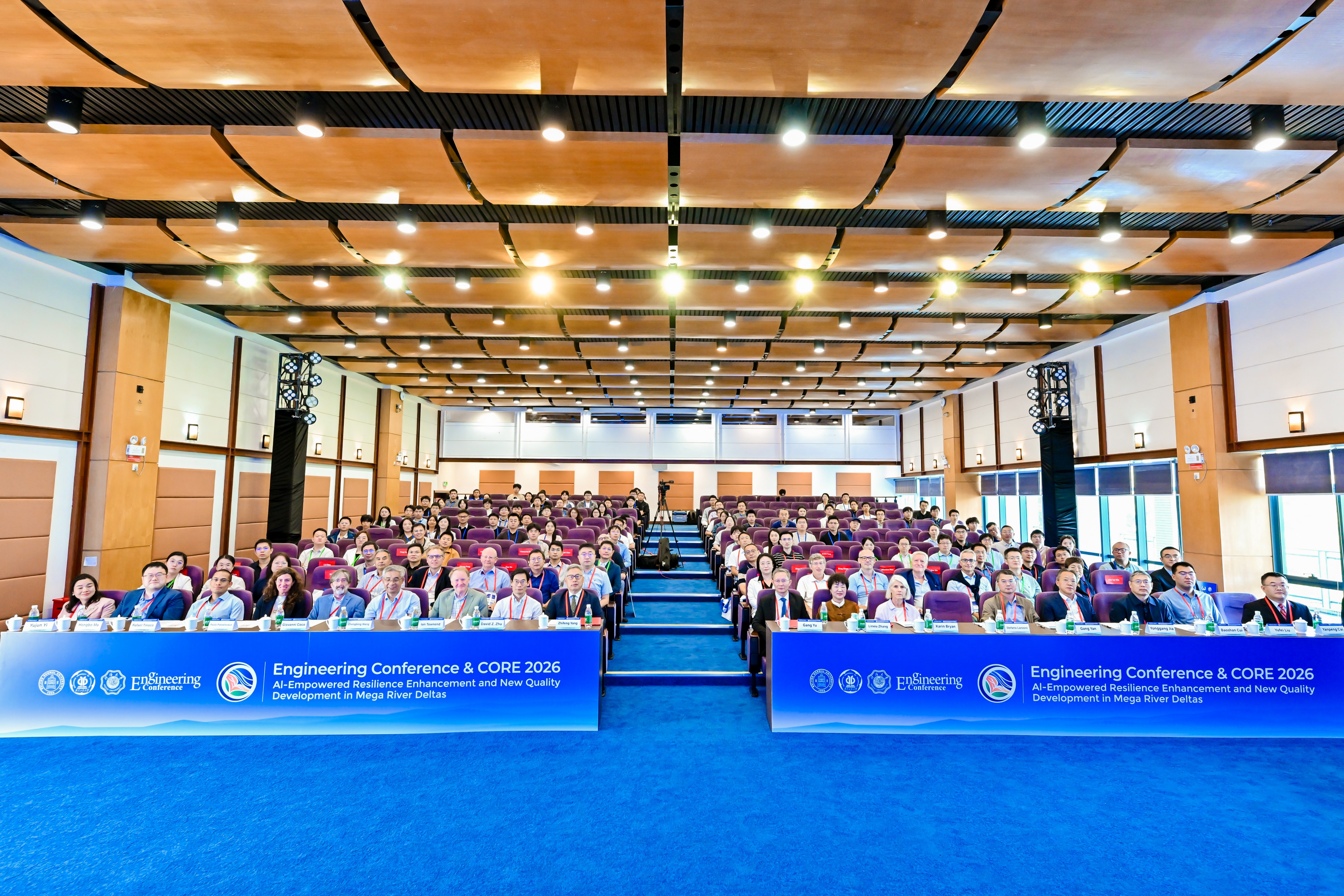

Engineering Conference and the Sixth International Symposium on Coastal Resources and Environment Held in Zhuhai
The Engineering Conference and the 6th International Symposium on Coastal Resources and Environment (CORE 2026) were held at Beijing Normal University at Zhuhai from October 27 to 31. Under the theme “AI-Empowered Resilience Enhancement and New Quality Development in Mega River Deltas,” the conference explored how emerging technologies, including artificial intelligence and digital twins, can support ecological restoration, disaster prevention, resource management and smart governance in estuarine deltas. It was jointly hosted by Beijing Normal University (BNU), Guangdong University of Technology (GDUT), Hohai University (HHU), State Key Laboratory of Wetland Environmental Protection and Ecological Restoration, and Engineering—the journal of the Chinese Academy of Engineering. Approximately 200 scholars and experts from 13 countries, including China, the United States, the United Kingdom and the Netherlands, gathered in Zhuhai to discuss scientific advances and future directions in coastal and estuarine delta research.
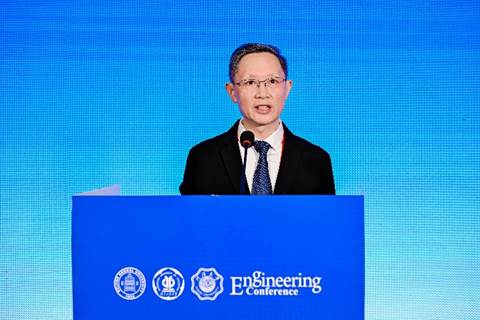
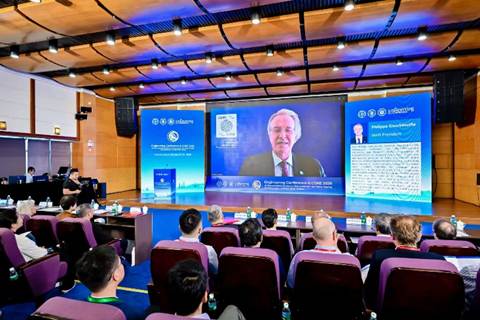
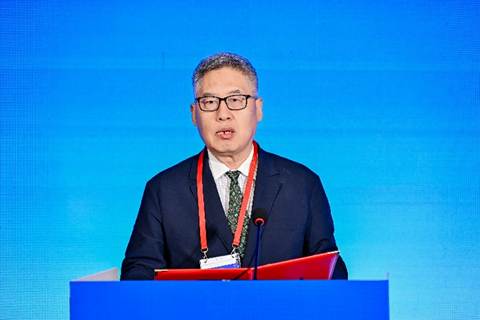
The opening ceremony was held on the morning of October 28. Yu Gang, a member of the Chinese Academy of Engineering and a professor at BNU, delivered the welcome address. Remarks were also given by Philippe Gourbesville, president of the International Association for Hydro-Environment Engineering and Research (IAHR); Yang Zhifeng, conference chair, member of the Chinese Academy of Engineering and professor at BNU; and Liu Yufei, executive associate editor-in-chief of Engineering. The opening ceremony was presided over by Professor Shao Dongdong from BNU.
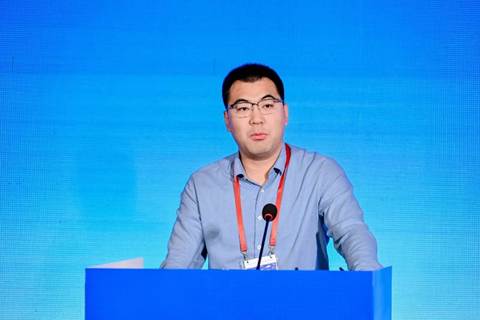
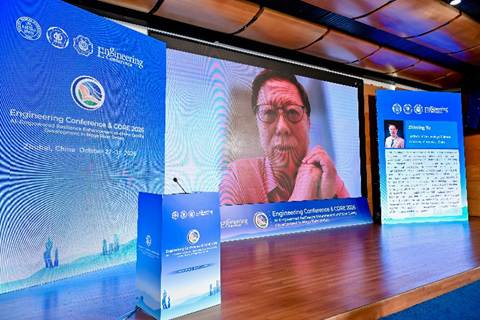
The conference featured keynote presentations by Xu Zuxin, a member of the Chinese Academy of Engineering and professor at Tongji University; Yu Zhiming, a member of the Chinese Academy of Engineering and researcher at the Institute of Oceanology, Chinese Academy of Sciences; David Z. Zhu, a Fellow of the Canadian Academy of Engineering and professor at Ningbo University; Zhang Linxiu, a Fellow of The World Academy of Sciences and researcher at the Institute of Geographic Sciences and Natural Resources Research, Chinese Academy of Sciences; Ouyang Xiaoguang, a researcher at the Southern Marine Science and Engineering Guangdong Laboratory (Guangzhou); Giovanni Coco, a senior researcher at the Institute of Marine Sciences, Spanish National Research Council; Stefano Lanzoni, a professor at the University of Padua; Hongbo Ma and Rafael Tinoco, professors at the University of Illinois Urbana-Champaign; and Paola Passalacqua, a professor at ETH Zurich. Their talks covered coastal eutrophication and harmful algal blooms, climate change and agrifood system resilience, delta morphodynamics, agricultural nonpoint source pollution, drainage in coastal cities, AI-assisted scientific research and estuarine ecosystem services.
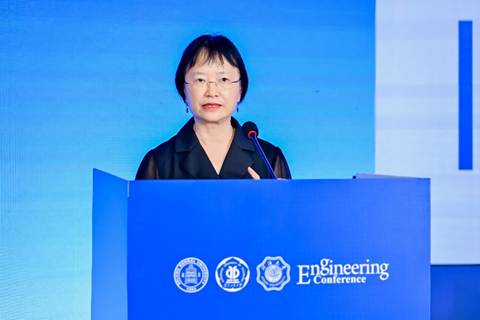
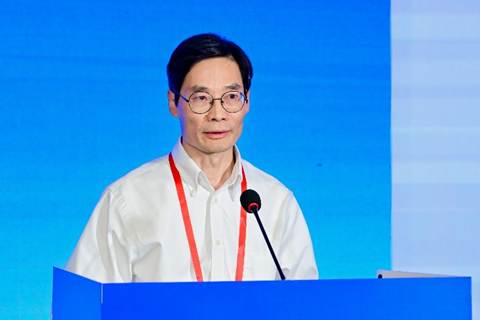
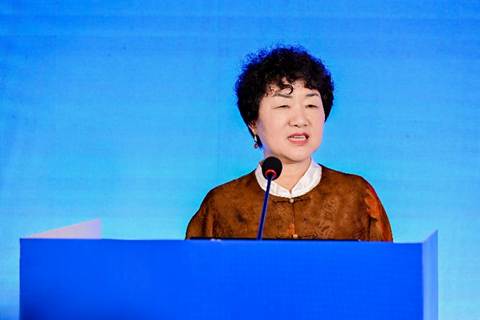
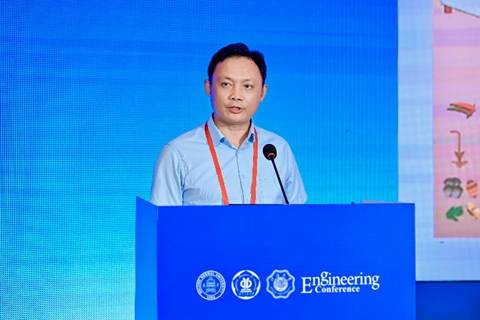
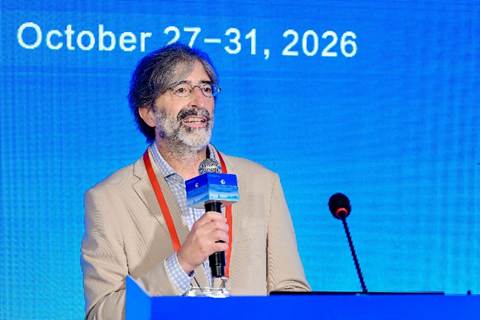
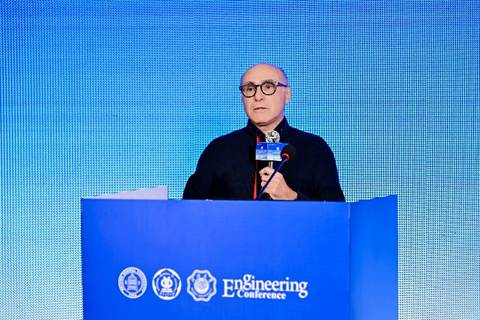
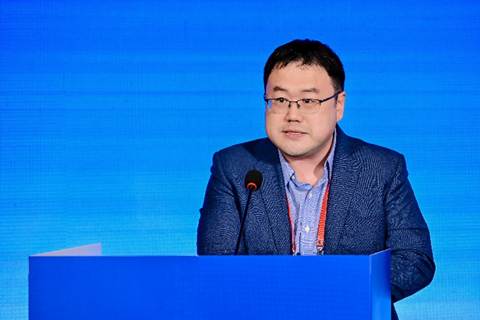
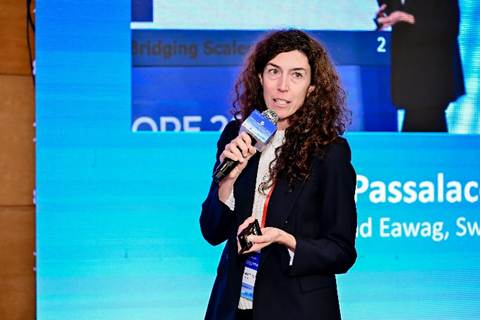
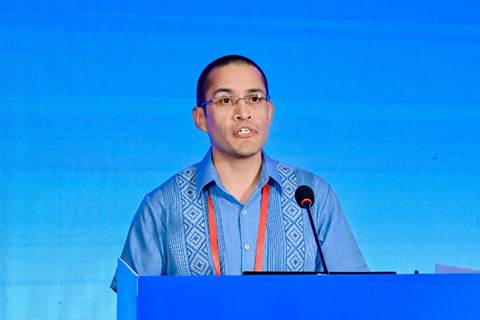
Four parallel sessions and a series of academic discussions took place from the afternoon of October 28 through the morning of October 29. The sessions addressed four themes: connections within delta environmental systems and water resources; delta ecological restoration and blue carbon; delta resilience and disaster prevention; and smart delta governance and integrated land–sea management. Participants also discussed coastal and estuarine biogeomorphology, the river–estuary–coastal ocean continuum, coastal morphodynamics and AI-enabled improvements in delta resilience. In total, 95 scholars, early-career researchers and graduate students presented their work through talks and posters.
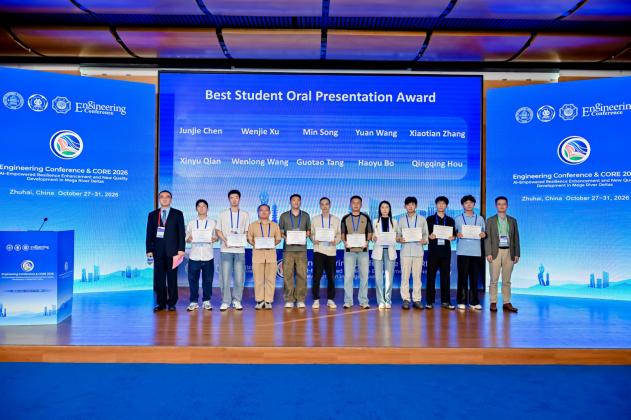
At the closing ceremony on the afternoon of October 29, certificates were presented to winners of the outstanding graduate student presentation and poster awards, as well as to outstanding volunteers. Giovanni Coco, representing the organizers of the next symposium, announced that it would be held in Spain. The closing ceremony was chaired by Shao Dongdong.
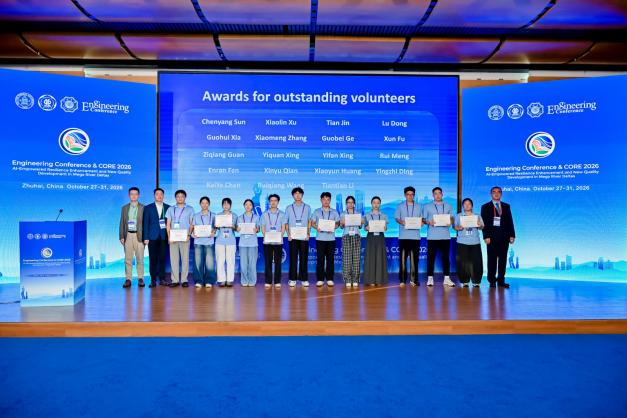
On October 30, the conference organized a field visit for participants to the Qi’ao Island branch of the Guangdong Field Observation and Research Station for Human–Environment Coupled Systems in the Land–Sea Interaction Zone. The visit gave participants a closer look at the ecological and environmental characteristics of the Pearl River Estuary’s land–sea interaction zone and related research advances, encouraging dialogue between scientific research and ecological conservation practice.
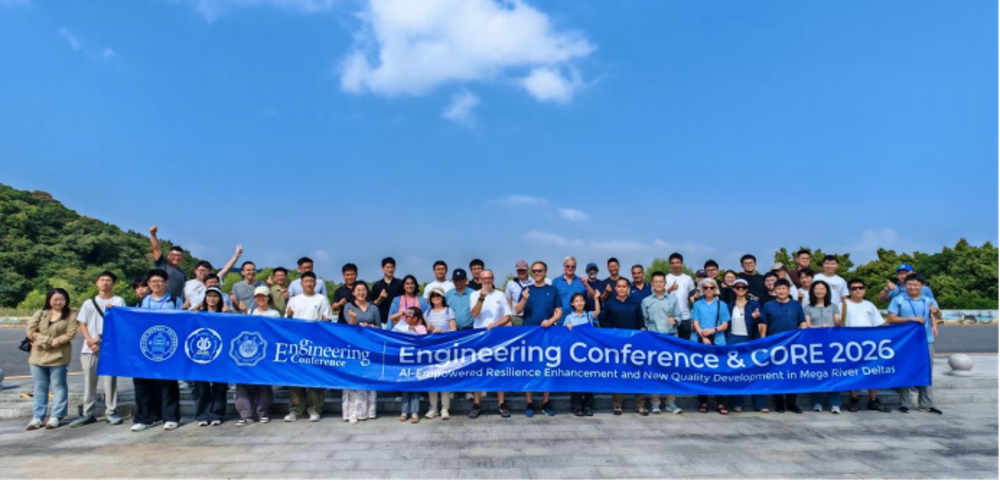
Bringing together coastal resources and environment researchers from China and abroad, the conference showcased advances in the use of AI to strengthen estuarine delta resilience and support sustainable development. It also encouraged collaboration across hydrology, ecology, environmental science, geomorphology and artificial intelligence, offering new ideas and scientific support for coastal environmental protection, delta resilience and smart governance.