

Beijing Science Dialogue Satellite Symposium on "Science, Data and Partnerships for Disaster Risk Reduction" Held at BNU
On October 20, the Satellite Symposium on Science, Data and Partnerships for Disaster Risk Reduction, a key component of the 2026 Midterm Meeting of Members of the International Science Council (ISC) and Beijing Science Dialogue, was held at Beijing Normal University(BNU). The symposium was co-hosted by BNU and the Integrated Research on Disaster Risk (IRDR) programme, organized by the Ministry of Education International Joint Laboratory for Catastrophe Simulation and Systemic Risk Response and the IRDR International Programme Office, with support from institutions including the ISC and the United Nations Office for Disaster Risk Reduction (UNDRR). Yu Jihong, President of BNU; Peter Gluckman, President of the ISC; Marco Toscano-Rivalta, Head of the UNDRR's Regional Office for Asia and the Pacific; and Alik Ismail-Zadeh, Chair of the IRDR Scientific Committee, attended the symposium. Nearly 100 experts and scholars from nearly 30 countries and regions, representing institutions such as ISC, UNDRR, the World Bank, and Future Earth, took part in the meeting. Liu Kai, Dean of the School of National Safety and Emergency Management at BNU, chaired the opening session.
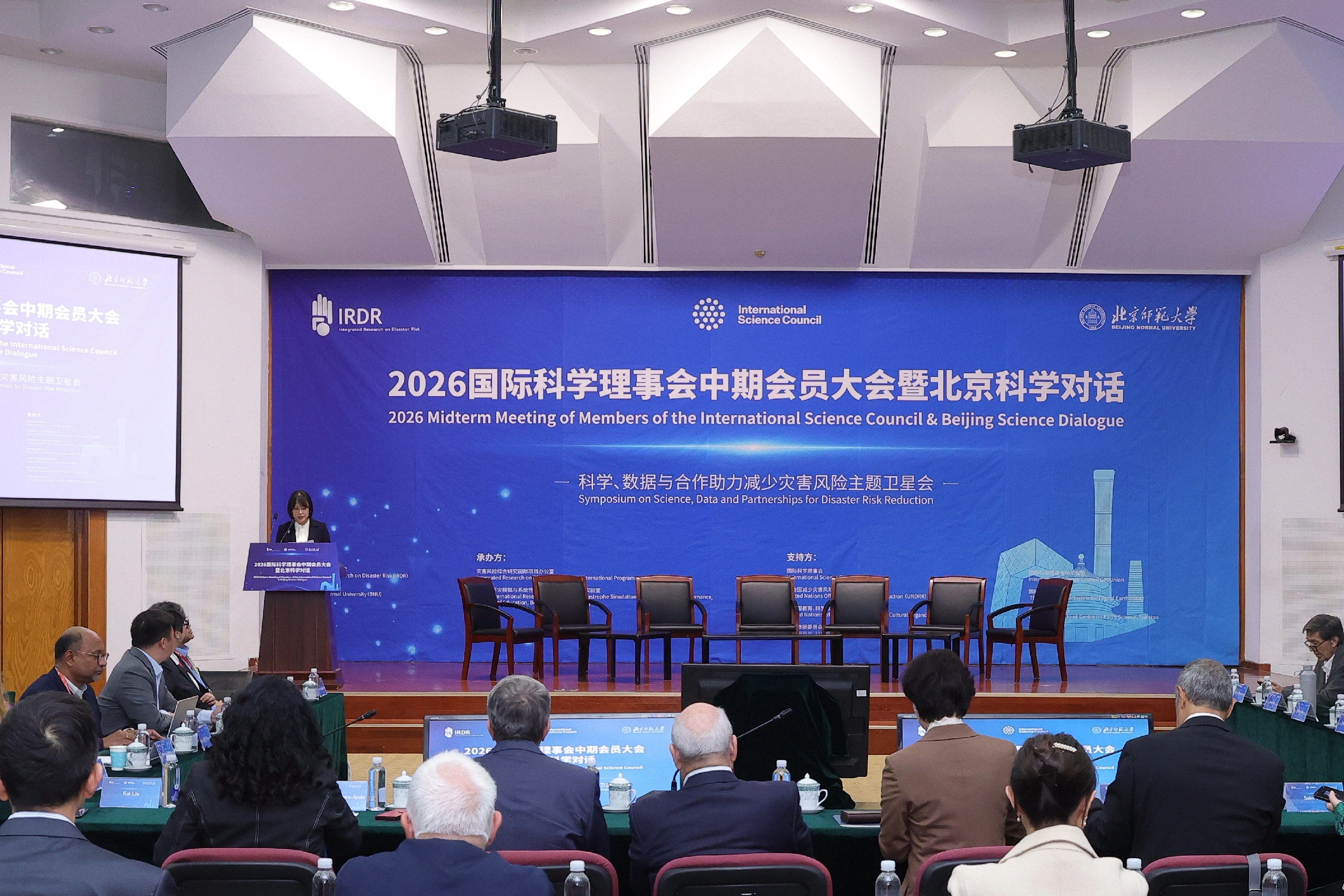
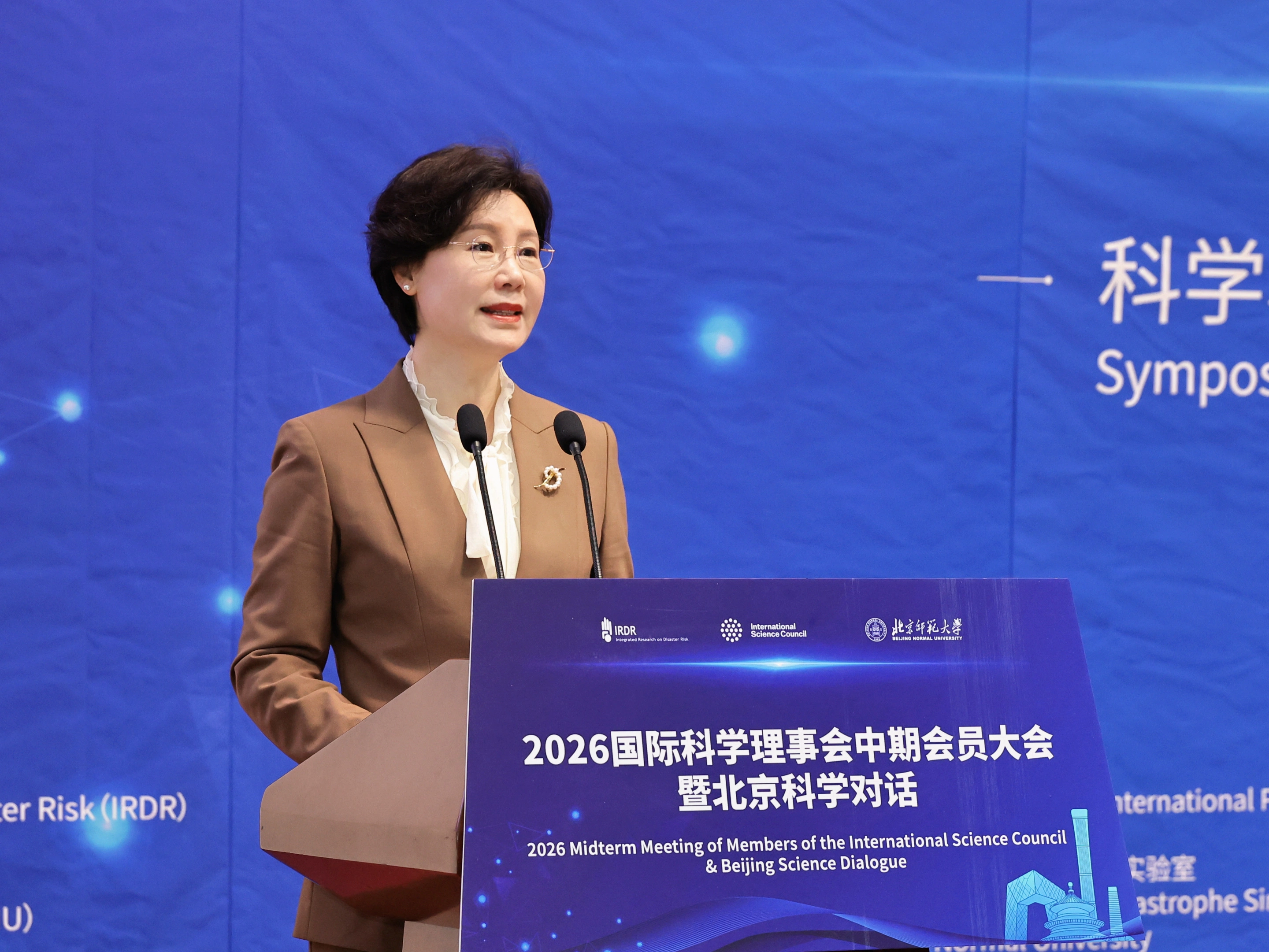
Yu Jihong noted that systemic and compound disaster risks are now deeply embedded in the public safety and sustainable development agendas, and that effective risk governance depends not only on scientific progress but also on translating research outcomes into institutional policy provisions. She said that BNU has deep expertise in disaster risk science and has always attached great importance to international engagement. At present, the university has established a high-level platform, and the project "Climate Change and Systemic Risk Governance," led by the School of National Safety and Emergency Management, has been selected for UNESCO's International Decade of Sciences for Sustainable Development. Looking ahead, she expressed the hope that the university would continue to deepen basic research, strengthen interdisciplinary collaborative efforts, and further expand international scientific cooperation, contributing more Chinese wisdom and BNU solutions to global disaster risk governance.
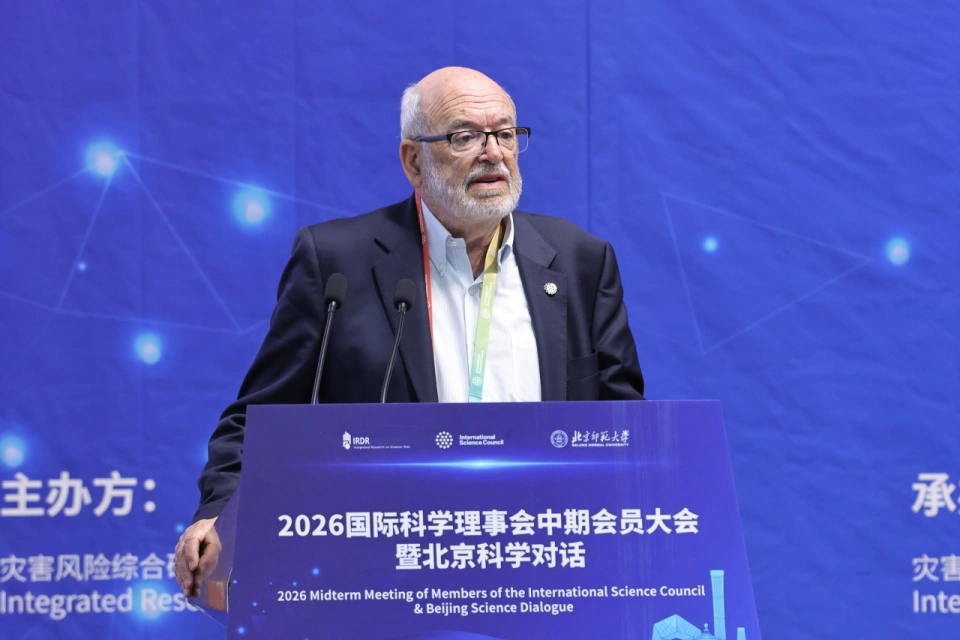
In his remarks, Peter Gluckman emphasized that disaster risk science is an effective vehicle for advancing science diplomacy, and that IRDR, which closely connects scientific research with disaster risk reduction practice, is a key affiliated body within the ISC. Science is the foundation of policy, and decision-makers should base their decisions on science while remaining open to revising them as understanding evolves, so as to move from research to knowledge and from knowledge to wisdom — a process that requires sustained dialogue among the natural sciences, the social sciences, psychology, and the humanities.
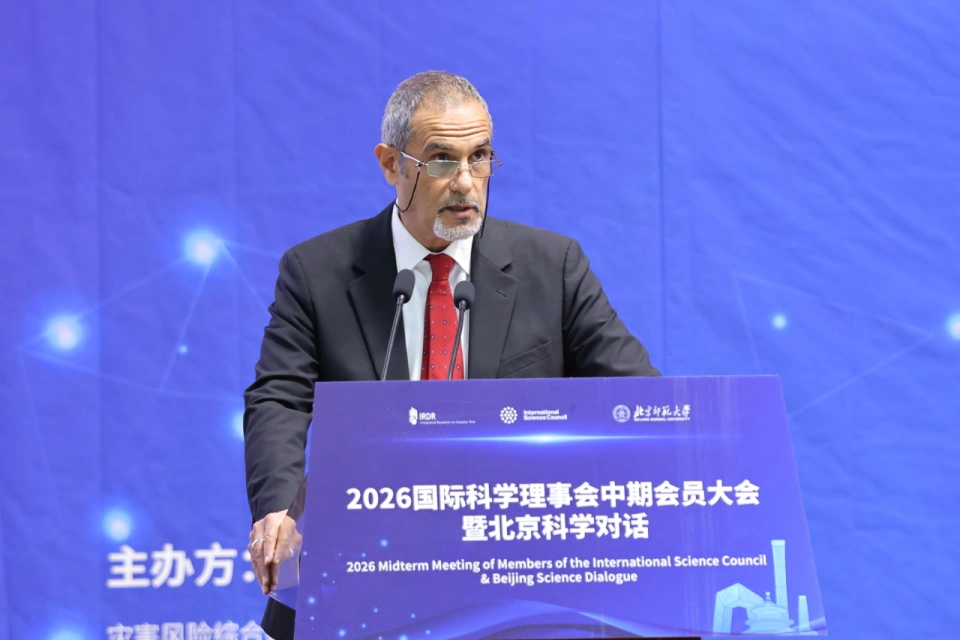
Marco Toscano-Rivalta cited Article 1, paragraph 4 of the Charter of the United Nations in noting that the United Nations serves as a centre for harmonizing the actions of nations, and that such harmonization can only be achieved on the basis of scientific knowledge, wisdom, and good will. He stressed the need to patiently cultivate a broader public culture of disaster risk reduction while helping governments recognize the necessity of investing in disaster risk reduction and translating research into wiser disaster risk reduction decisions.
The symposium featured four panel sessions: Economics of Disasters and Disaster Risk Reduction, Data and Technology for Disaster Risk Reduction, Climate Change and Disaster Risk Reduction, and Systemic, Compound and Cascading Risks.
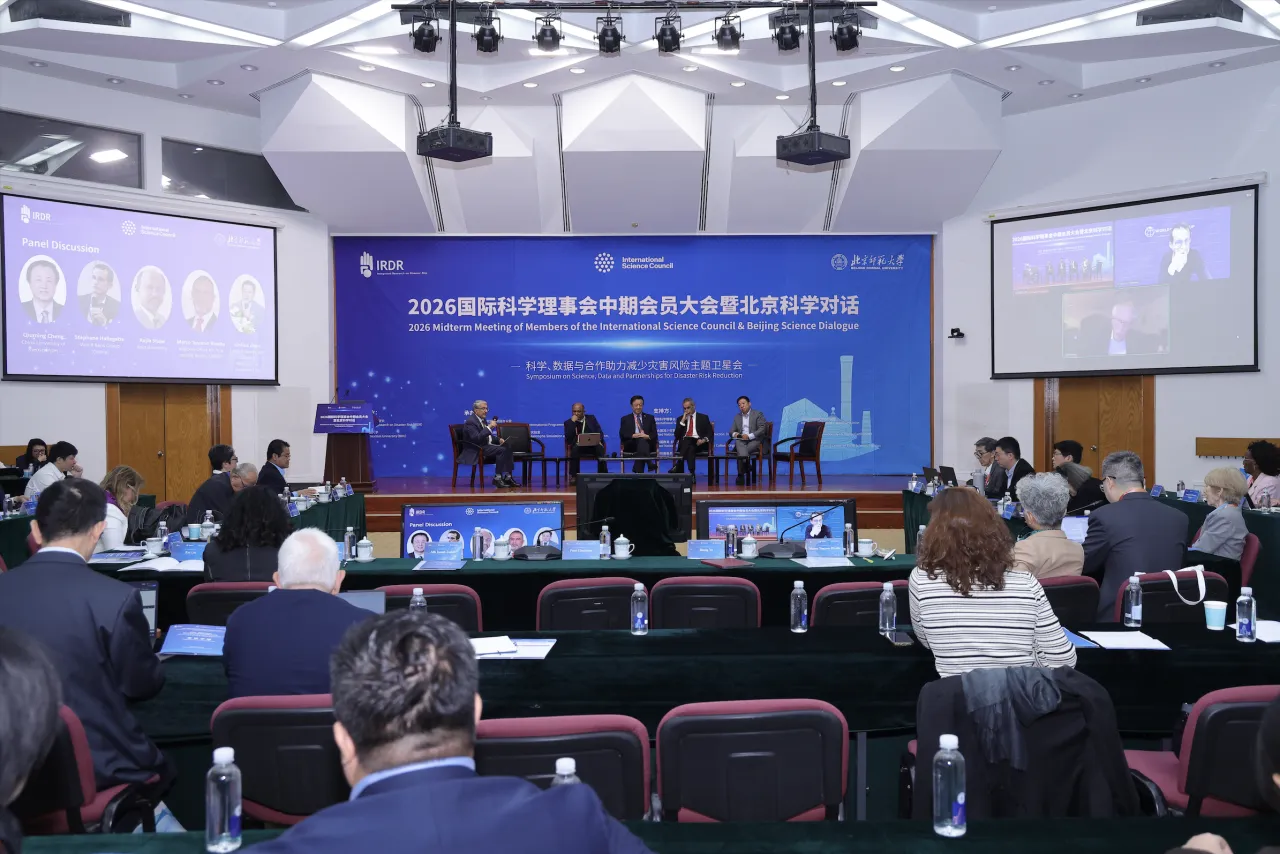
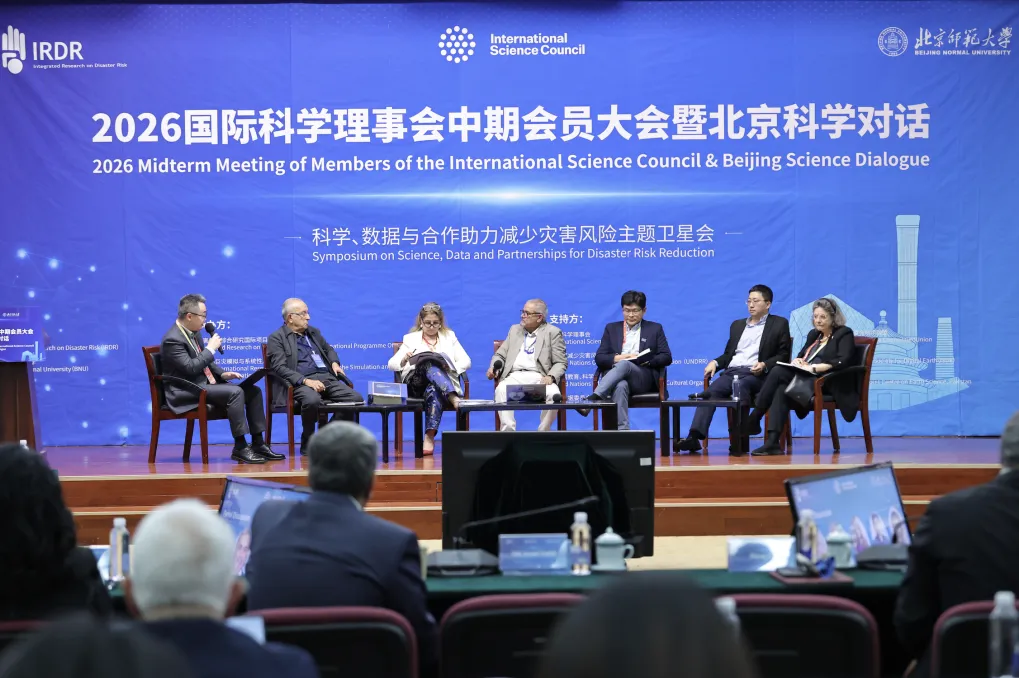
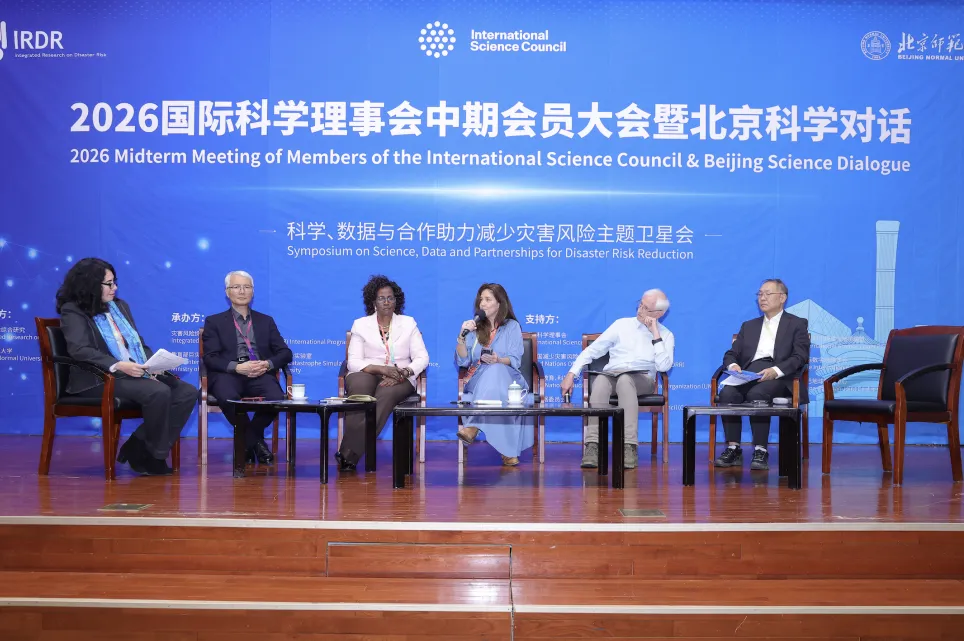
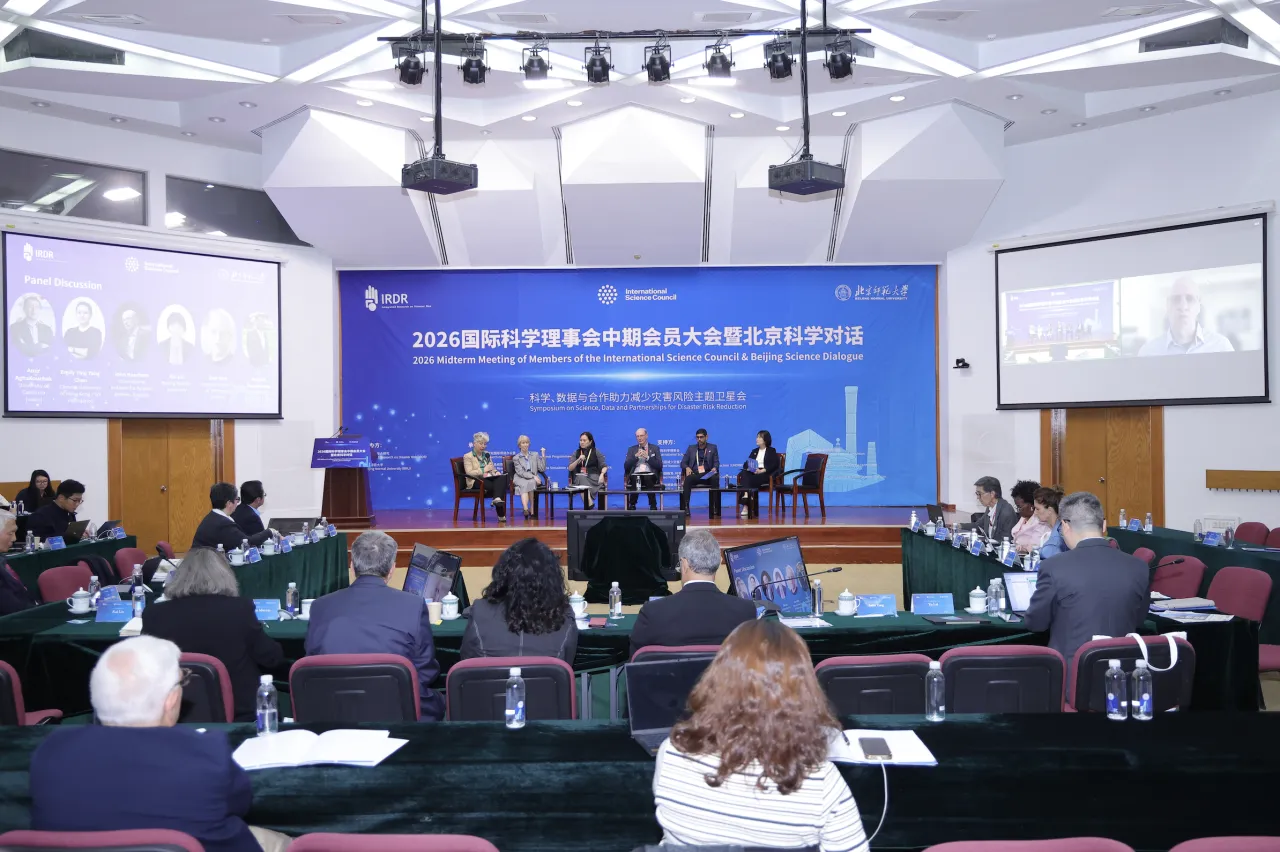
The symposium released two major outcomes: the relevant declaration towards 2030 and beyond and the beta version of the IRDR Research Agent. A key consensus reached at the symposium emphasized that the inherent uncertainty of complex natural and social systems requires integrated, whole-of-society approaches to disaster risk reduction; that the science–policy interface must incorporate citizen science, behavioral science, and psychological science; and that investments and partnerships in disaster risk reduction and climate action must be strengthened, including investment in scientific research, data, technology, infrastructure, and human resources.
The symposium built consensus on advancing disaster risk reduction through science, data, and cooperation around its four themes, and established an important platform for global exchange and cooperation in disaster risk science. Its outcomes will provide important intellectual support for the global disaster risk reduction science agenda for 2030 and beyond and for the Beijing Science Dialogue, as well as scientific reference for the follow-up and review of the Sendai Framework for Disaster Risk Reduction 2015–2030 and for the coordinated advancement of climate action and the Sustainable Development Goals. They further demonstrate BNU's deep expertise in disaster risk science, its strengths in international cooperation platforms, and its interdisciplinary character, contributing scientific solutions and collaborative strength to the global governance of systemic, compound, and cascading risks.