

2026 International Symposium on Brain Science and Frontier Technologies Held at BNU
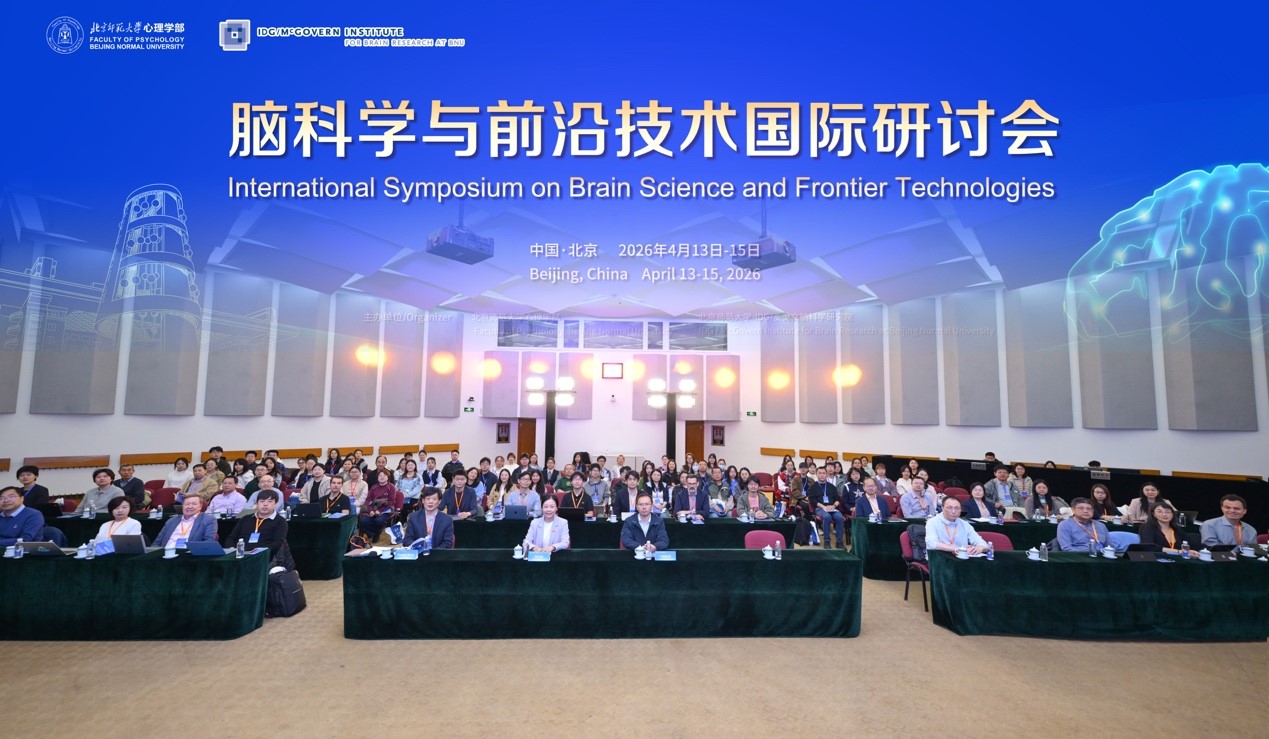
From April 13 to 15, the International Symposium on Brain Science and Frontier Technologies was held at Beijing Normal University (BNU). Hosted jointly by the Faculty of Psychology and the IDG/McGovern Institute for Brain Research at BNU, the symposium aimed to build a high-level platform for academic exchange and interdisciplinary collaboration. It sought to promote the high-level development of brain science at BNU by fostering the cross-pollination of cutting-edge scientific ideas and resources sharing, driving breakthroughs in basicresearch, and translating relevant findings into clinical diagnostics and treatments.
The symposium brought together experts, scholars, young researchers, and graduate students from numerous domestic and international universities and research institutions. During the conference, over 30 top-tier experts and scholars focused on frontier research in brain science, sharing their latest progress and phased achievements. They engaged in in-depth exchanges with attendees to jointly explore new directions and opportunities, thereby fueling continuous innovation in the field. Liu Hui, Vice Chairman of the University Council of BNU; Luo Liang, Dean of the Faculty of Psychology; and Wang Xiaoqun, Director of the IDG/McGovern Institute for Brain Research at BNU, attended the opening ceremony, which was chaired by Wang Xiaoqun.
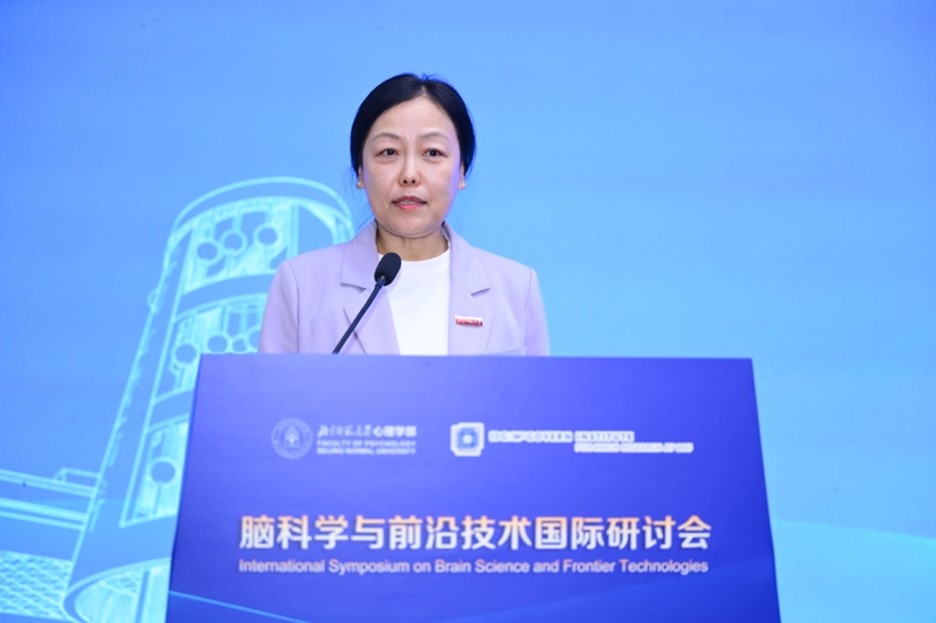
In her opening remarks, Liu Hui stated that BNU has always adhered to the academic philosophy of being "open, interdisciplinary, and integrative," continuously advancing research and development in brain science. She noted that hosting this symposium is a testament to this philosophy. She expressed her hope that participating experts and scholars would use this conference as an opportunity to deepen exchange and collaboration, jointly promoting innovative development in brain science, and she wished the symposium a complete success.
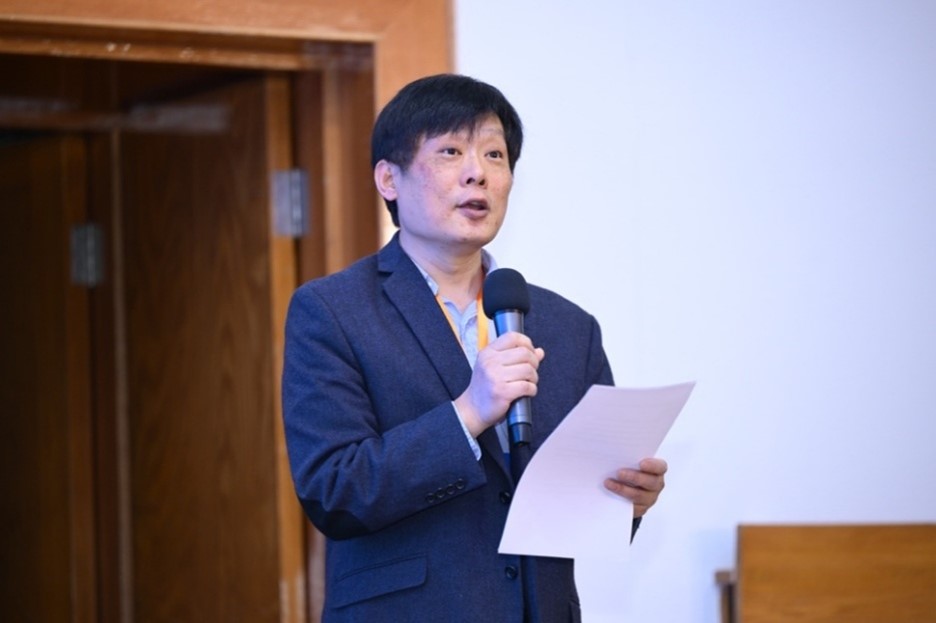
Wang Xiaoqun remarked that the symposium gathered high-level experts and scholars in brain science from home and abroad, establishing an important platform for deepening academic exchange and frontier innovation. He looked forward to the in-depth discussions on multi-scale brain function research, aiming to build consensus and jointly promote the development of brain science research and its translational application in brain disease diagnosis and treatment.
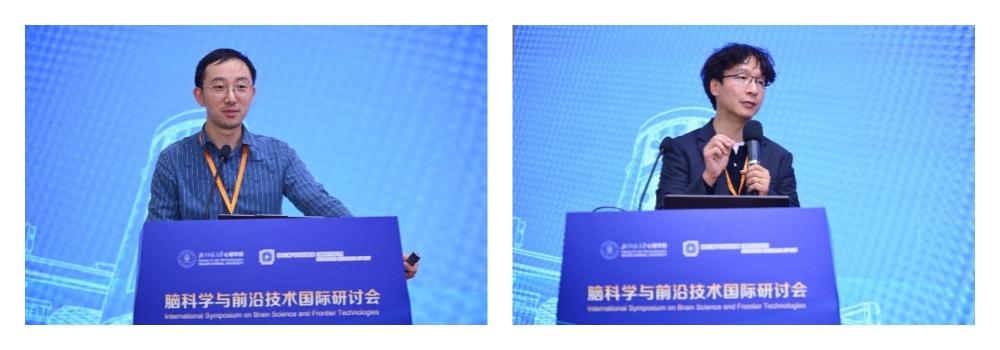
The academic sessions of the symposium were rich in content and diverse in topics. Internationally renowned experts in neuroscience, psychology, computational science, artificial intelligence, and other fields gathered to conduct in-depth exchanges and discussions on multi-scale brain functions from the molecular and cellular levels to the systems level. Focusing on cutting-edge topics such as "Brain Development and Brain Organoids," "Brain Imaging and Connectomics," "Neurophysiology and Neuroimmunology," "Cognitive and Behavioral Neuroscience," and "Innovative Neurotechnologies and Translational Applications," the conference provided a comprehensive overview of the latest research progress and development trends in brain science, offering an outstanding academic forum for the attendees.
On the morning of April 14, the session on "Brain Development and Brain Organoids" featured insightful presentations from several domestic and international experts. Notable speakers included Academicians and Professors Oscar Marín from King's College London, Ming Guo-li, and Song Hongjun from the University of Pennsylvania, alongside Professor Wang Xiaoqun from BNU and Professor Ki-Jun Yoon from the Korea Advanced Institute of Science and Technology (KAIST). They provideda comprehensive overview of the latest research progress and frontier technologies regarding the cellular and molecular mechanisms of brain development and evolution. They also engaged in in-depth discussions on key topics like brain organoid construction and disease modeling, further broadening the directions for future research in the field. This session was co-chaired by Professor Peng Hanchuan from Fudan University (FDU) and Professor Wang Xiaoqun.
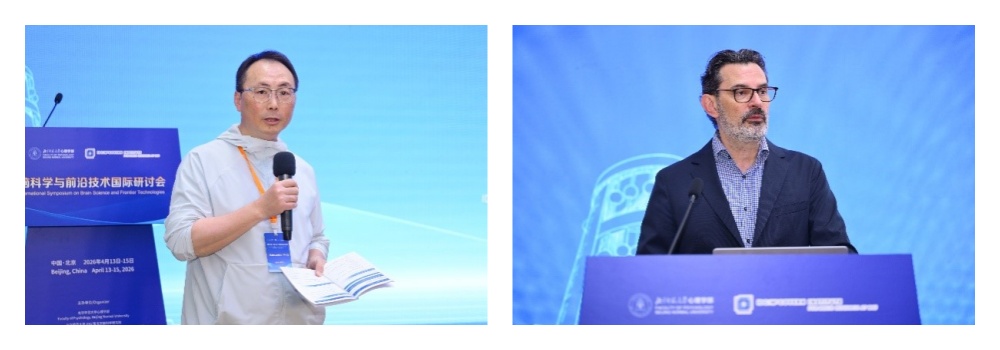
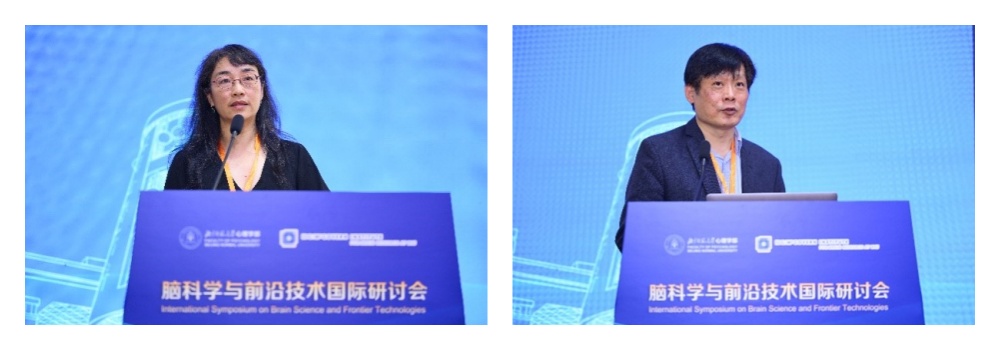
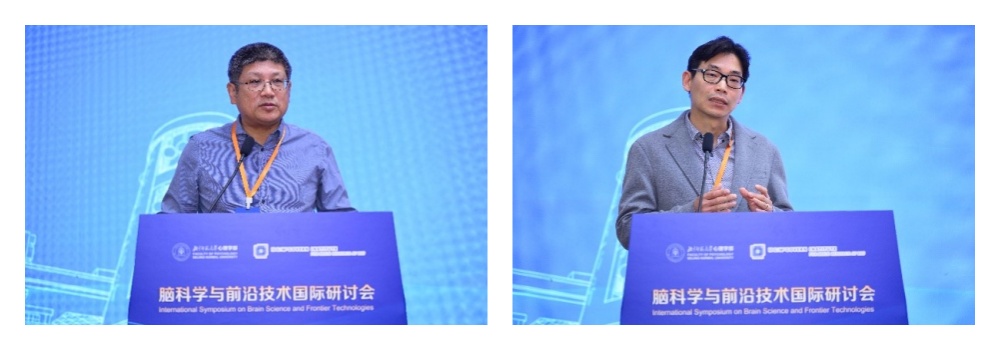
The April 14 afternoon session on "Brain Imaging and Connectomics," chaired by Professor Xue Tian from University of Science and Technology of China, featured Professors Peng Hanchuan and He Miao from FDU, Junhwan Alexander Bae from KAIST, and Song Kun from Peking University (PKU). Delving into neuroimaging innovation and brain connectivity mapping while sharing the latest technological approaches, the speakers offered fresh perspectives for understanding brain function.
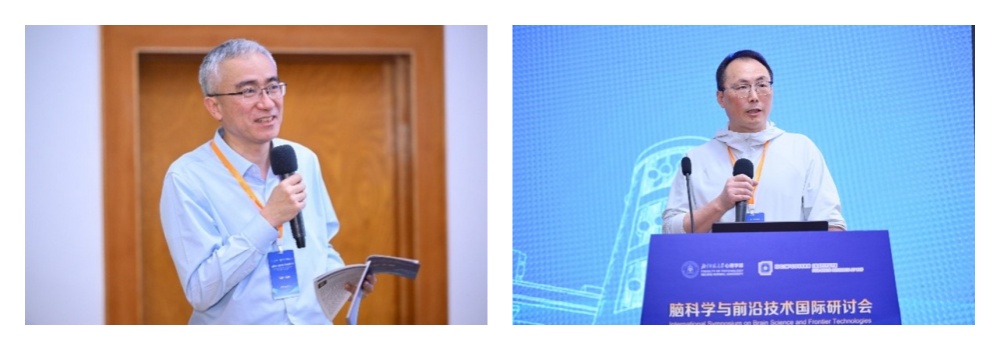
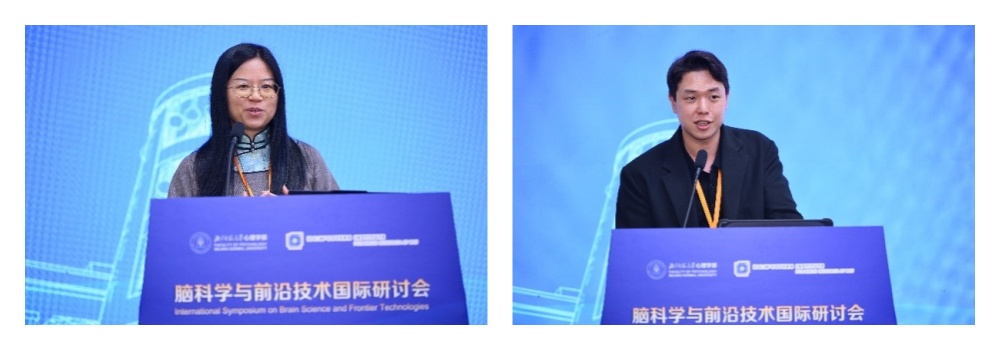
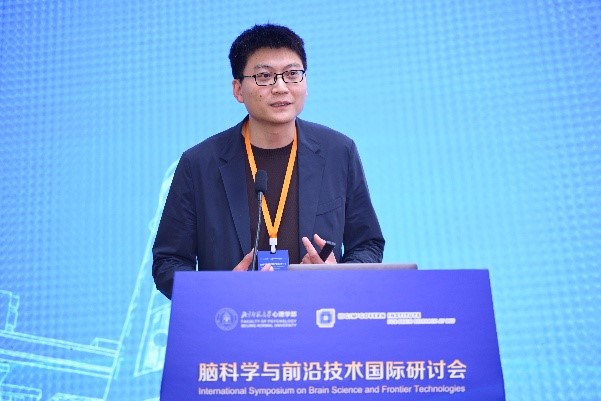
Chaired by Professor Chen Xiaoke from Stanford University (Stanford), the "Neurophysiology and Neuroimmunology" session featured Professors Li Wei from Shanghai Jiao Tong University (SJTU), Xue Tian, Zhang Jiayi and Peng Bo from FDU, and Li Yulong from PKU. Sharing frontier research findings and engaging in extensive exchanges on core neurophysiological and neuroimmunological regulatory mechanisms, they provided vital theoretical support for investigating disease mechanisms and exploring intervention strategies.
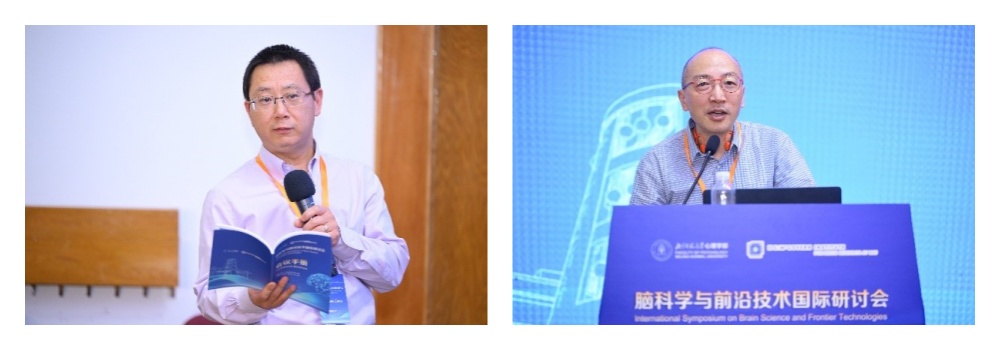
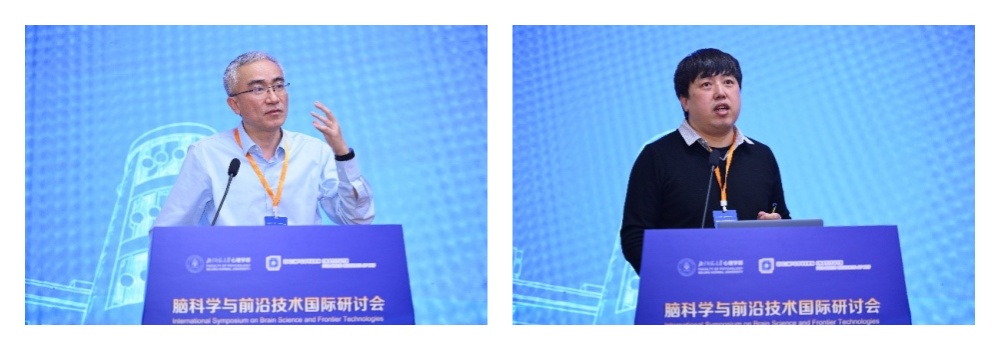
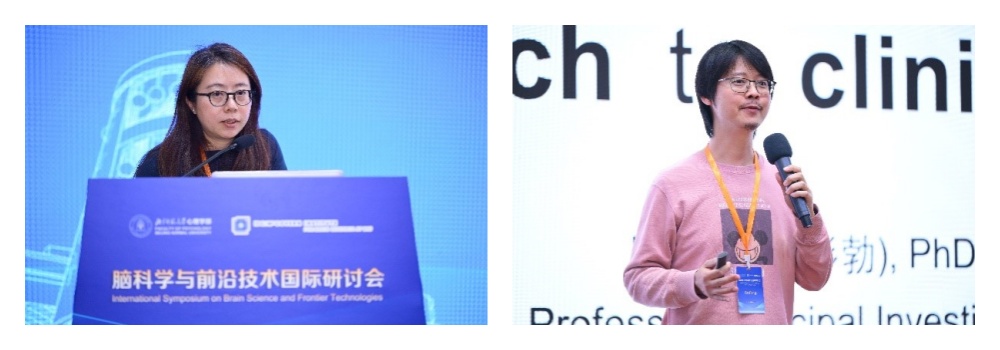
Co-chaired by Professor Song Hongjun and Professor Hu Ji from ShanghaiTech University (ShanghaiTech), the April 15 morning session on "Cognitive and Behavioral Neuroscience" featured Academician and Professor Trevor Robbins from University of Cambridge, Investigator Cao Peng from National Institute of Biological Sciences, Beijing, and Professors Xiao Xiao from FDU, Ma Yina and Liu Yunzhe from BNU, Chen Xiaoke from Stanford, and Seung-Hee Lee from KAIST. Focusing on cutting-edge directions such as cognitive function regulation and behavioral neural mechanisms, the speakers fully demonstrated the latest research progress, providing fresh ideas and perspectives for a deeper understanding of higher brain functions.
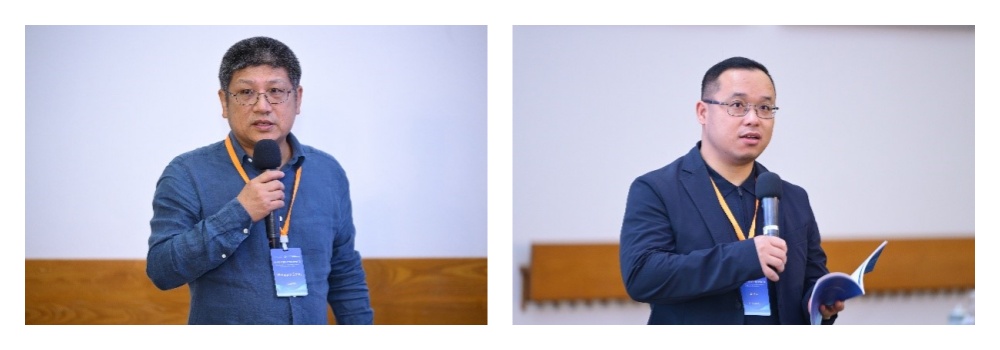
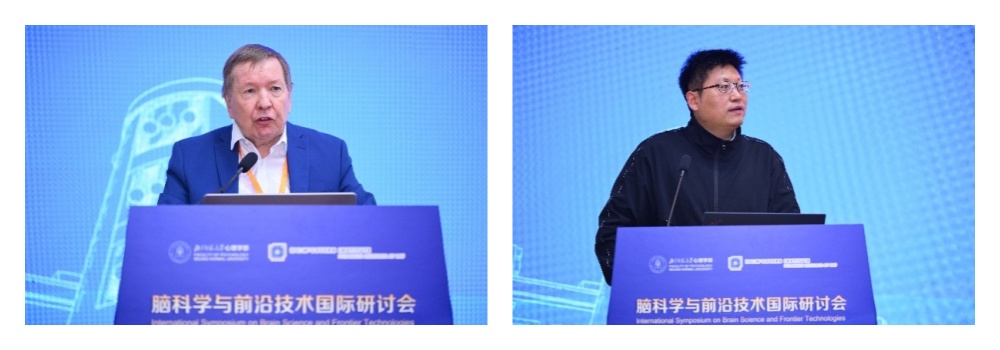
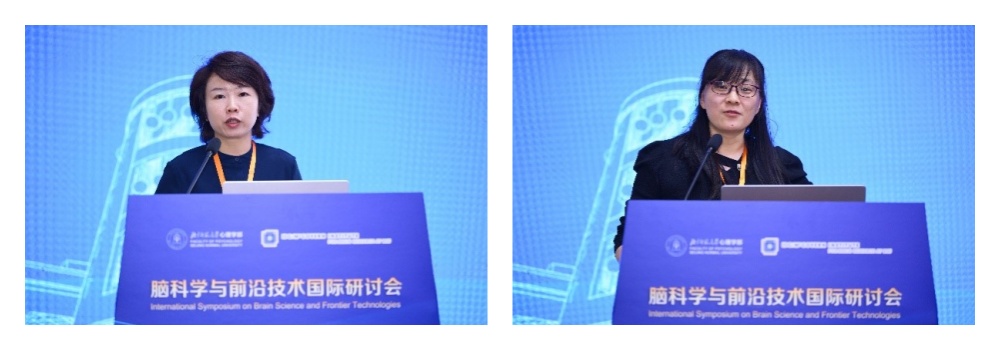
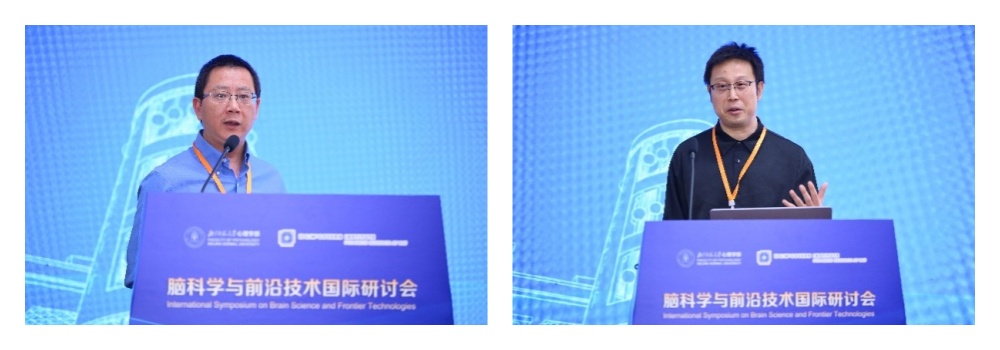
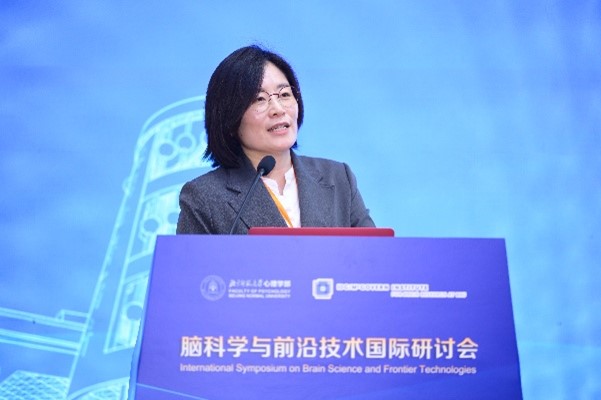
Co-chaired by Professors Li Yulong and Li Wei, the "Innovative Neurotechnologies and Translational Applications" session featured Professors Luo Zhenge, Hu Ji, and Shen Wei from ShanghaiTech, Giorgio Ascoli from George Mason University, Qiu Zilong from SJTU, Li Boxing from Sun Yat-sen University, Lu Boxun from FDU, and Ingie Hong from KAIST. Focusing on the progress of frontier neurotechnology R&D and clinical translation while discussing recent breakthroughs in disease treatment and neuromodulation, the speakers showcased the latest cutting-edge advancements in the field.
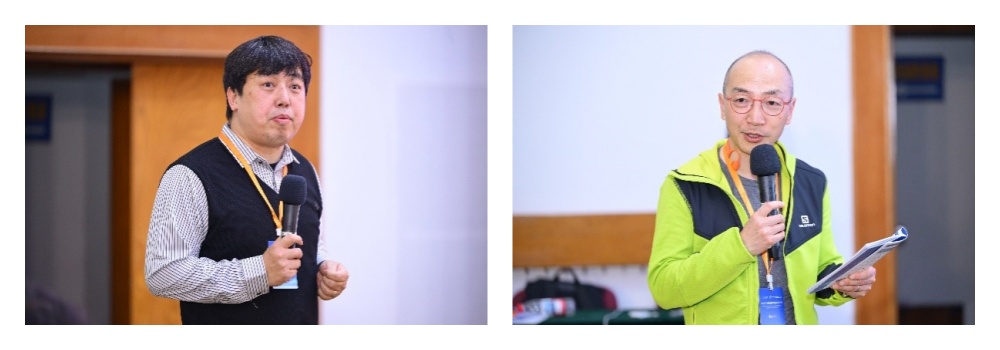
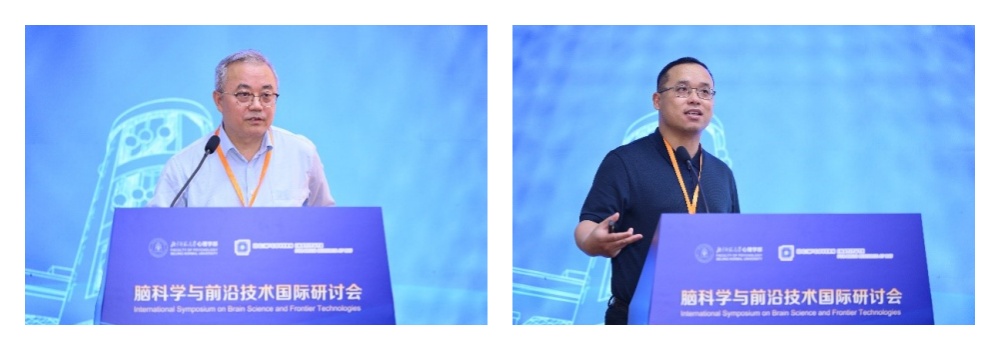
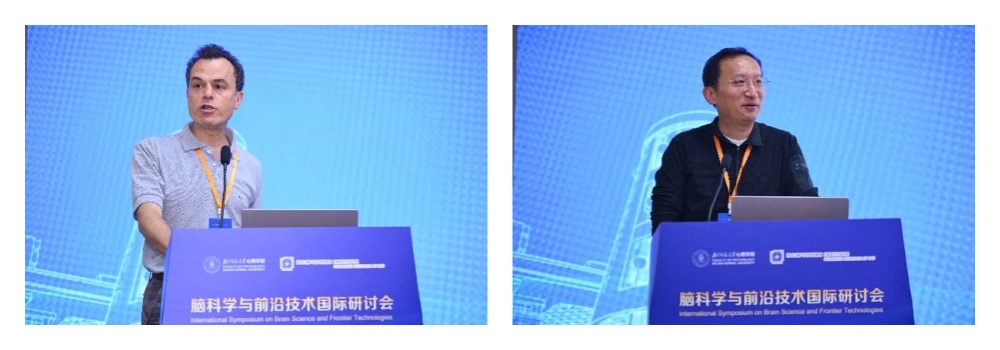
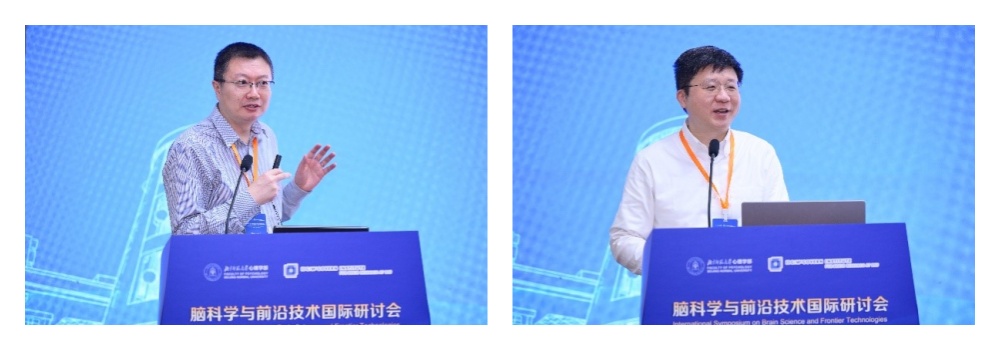
At the closing ceremony, Wang Xiaoqun delivered a concluding speech. He highlighted the symposium's success in promoting in-depth exchanges and multidisciplinary integration among domestic and international experts, thereby bridging basic research and clinical translation. He expressed hope that, propelled by cross-disciplinary synergy and frontier innovation, China's brain science field will scale new heights, expand its global academic influence, and yield more landmark achievements. Serving as a high-level exchange platform for researchers worldwide, the event has further consolidated academic strength and deepened international cooperation, providing fresh impetus for the high-quality development of brain science at BNU.
Leveraging the momentum of this international conference, the Faculty of Psychology at BNU has officially established the Autism Studio. Focusing on cognitive neural mechanisms, precise subtyping, and intervention research, the studio will conduct cross-scale, multi-modal, and systematic research to integrate a full-chain innovation pipeline—spanning mechanism analysis, intelligent assessment, precise intervention, and practical application. This initiative aims to provide novel solutions for the precise diagnosis and treatment of autism, thereby safeguarding the brain health of children and adolescents.