
Beijing Normal University Participated in Hosting the Islam-Confucianism Civilisational Dialogue 2026 and Organized the China-Malaysia University Presidents' Roundtable
On April 16, the Islam-Confucianism Civilisational Dialogue 2026, jointly organized by the International Confucian Association(ICA) and the International Islamic University Malaysia(IIUM), was held in Beijing. The dialogue was co-hosted by Beijing Normal University(BNU), Beijing Foreign Studies University, Beijing Language and Culture University, Minzu University of China, and the Confucius Research Institute. Nearly 300 experts and scholars from 24 countries around the world attended the event.
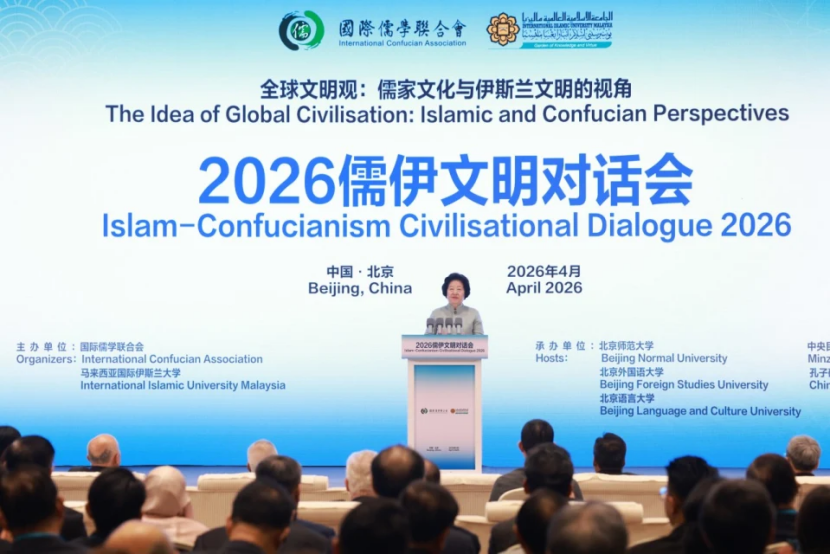
The theme of the dialogue was "The Idea of Global Civilisation: Islamic and Confucian Perspectives". Malaysian Prime Minister Anwar Ibrahim delivered a video speech. Sun Chunlan, president of the ICA, attended and spoke at the event. Wan Azizah Wan Ismail, a member of the Parliament of Malaysia, spouse of the prime minister and former deputy prime minister, addressed the event via video link. Yu Jihong, President of BNU, and Kang Zhen, Vice President of BNU, attended the conference.
As an important part of the Islam-Confucianism Civilisational Dialogue 2026, the China-Malaysia University Presidents' Roundtable, hosted by BNU, was held on the afternoon of April 16.
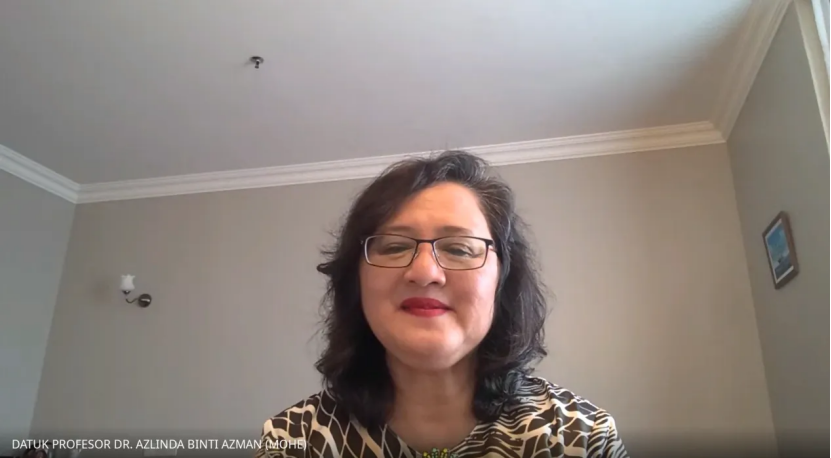
Jia Peng, Deputy Director-General of the Department of International Cooperation and Exchanges of the Ministry of Education of China, attended the meeting and delivered a speech. Azlinda Azman, Director General of the Department of Higher Education of the Ministry of Higher Education of Malaysia, delivered a video speech, and Ren Yisheng, Deputy Secretary-General of the ICA, attended the meeting.
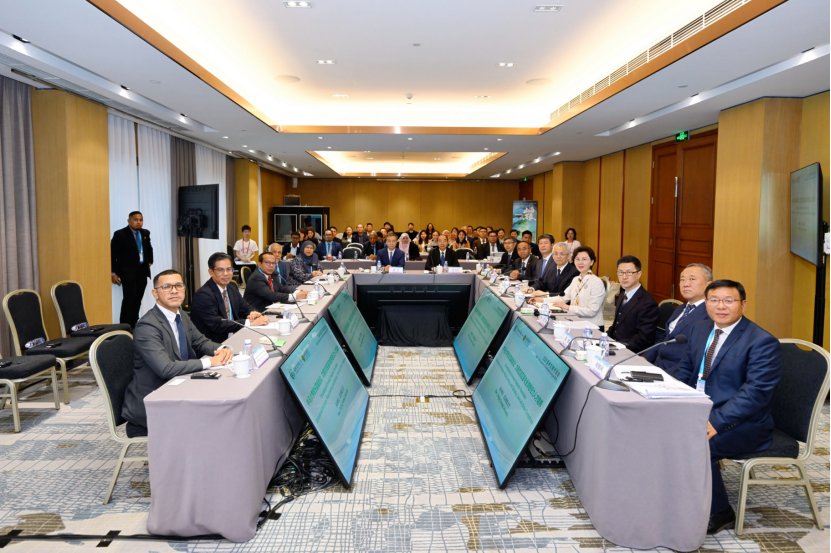
The theme of the roundtable was "Civilisational Exchanges, Mutual Learning, and Cultivating Talent with Global Competence". University leaders from 12 universities in China and Malaysia had a full exchange of views around the theme of the meeting. The meeting was chaired by Kang Zhen, Vice President of BNU.
In his speech, Jia Peng stated that China and Malaysia are good neighbors, good friends, and good partners who visit each other frequently and are as close as family. The Chinese Ministry of Education is willing to work with the Malaysian education sector to continuously deepen scientific research cooperation among universities, strengthen youth innovation and entrepreneurship, and expand the depth of cooperative education, contributing to the promotion of deeper Sino-Malaysian higher education cooperation and the building of a high-level strategic Sino-Malaysian community with a shared future.
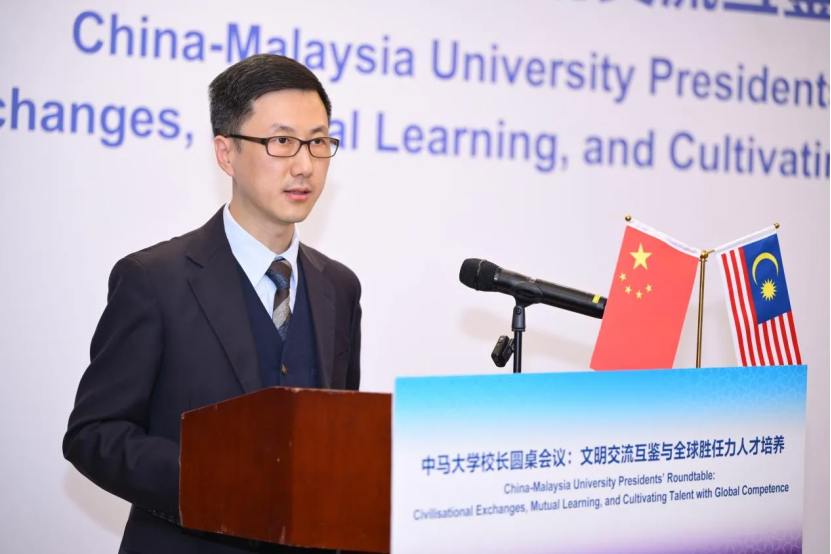
In her video speech, Azlinda Azman mentioned that Malaysia and China have profound and long-standing civilizational traditions. The educational circles of the two countries should expand cognitive boundaries, enrich knowledge systems through dialogue and cooperation, and respond to today's common global challenges in a more comprehensive manner. In addition, universities of the two countries should continuously deepen cooperation in promoting sustainable academic collaboration, reshaping talent cultivation models oriented toward global competence, strengthening synergistic cooperation in strategic and emerging fields, and enhancing youth-focused people-to-people exchanges, in order to jointly cultivate a generation of talents with both global competence and humanistic feelings.
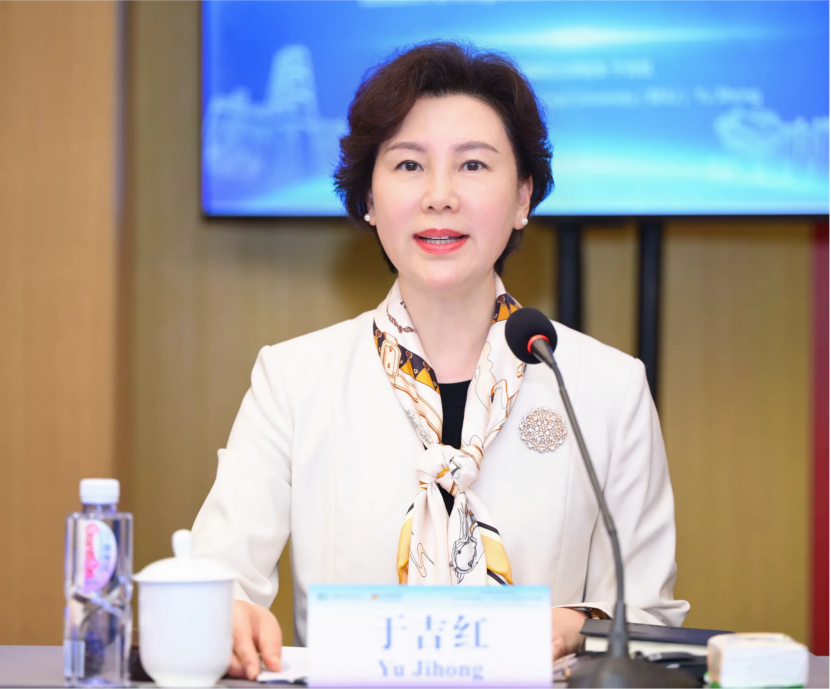
Yu Jihong delivered a speech entitled "Building a Bridge of Friendship Between Chinese and Malaysian Youth Through Education". She emphasized that, facing the future, young people need to possess "global competence" that combines professional capabilities with multicultural understanding and global collaboration, and universities shoulder an important mission as hubs for cultural integration. She shared BNU's exploration and achievements in the field of Sino-Malaysian educational cooperation, and proposed providing young people with language and cultural learning opportunities, building diverse exchange platforms, and guiding youth to participate in global governance. BNU is willing to work with Chinese and Malaysian universities to enhance consensus with education as the bond, and to jointly promote development with youth as the bridge.
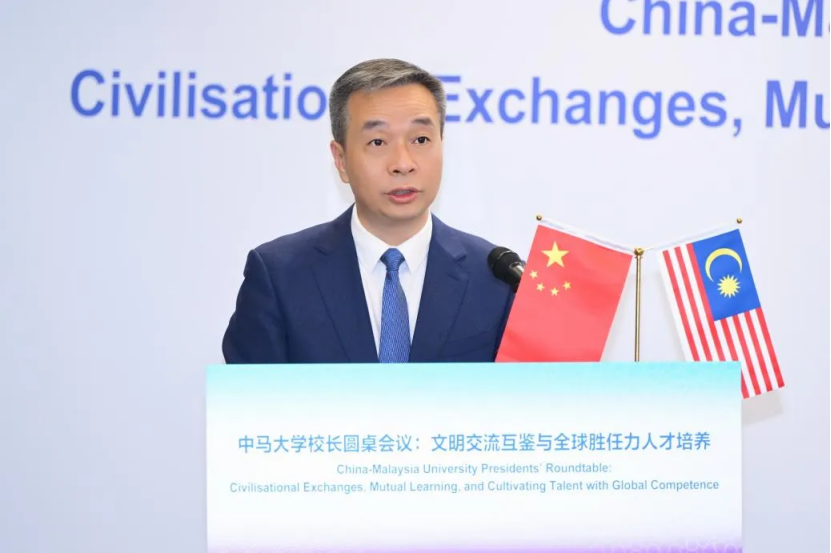
Kang Zhen, Vice President of BNU, chaired the roundtable meeting.
Leaders from various universities shared experiences and built consensus around topics such as the mission of universities in mutual civilisational learning, pathways for cultivating talent with global competence, and practices in Sino-Malaysian educational cooperation.
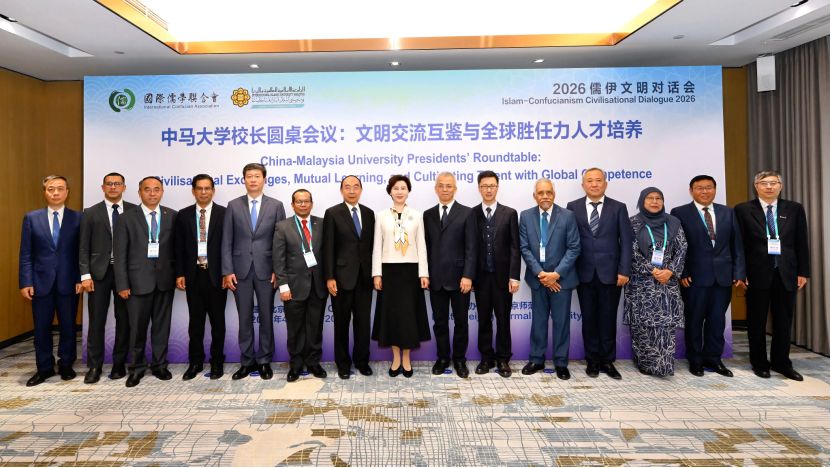
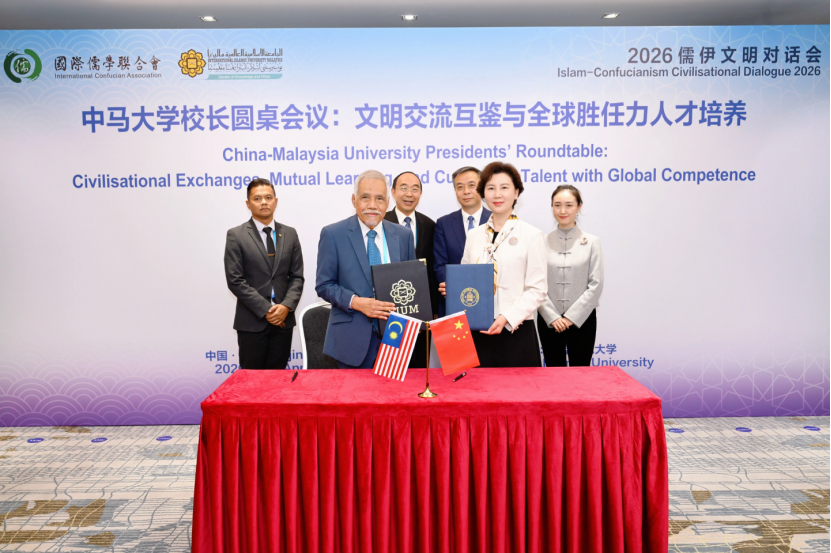
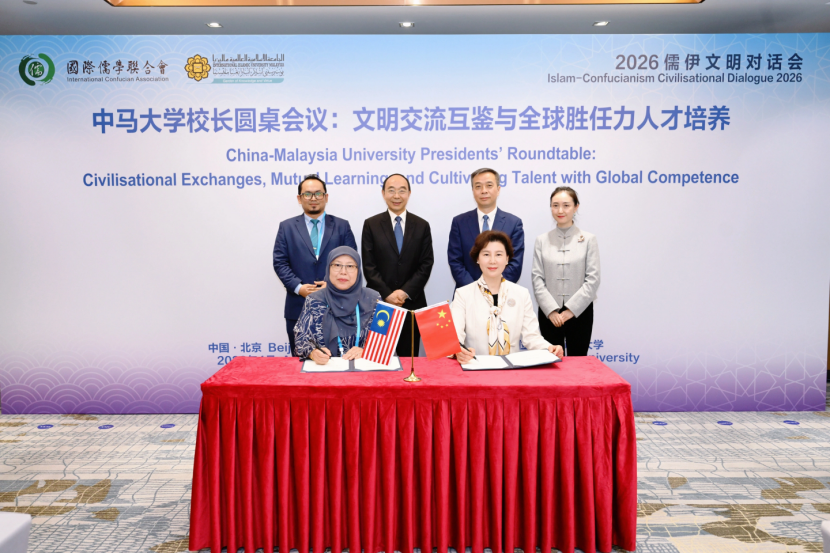
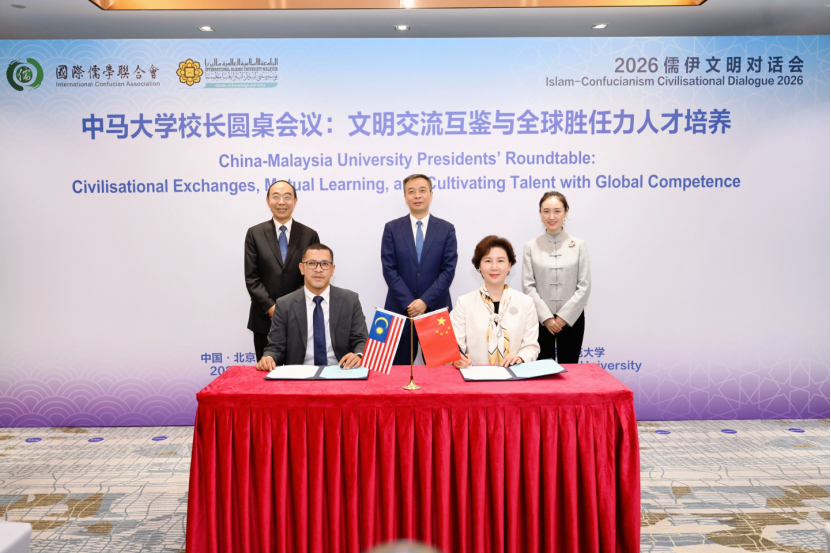
During the roundtable, a ceremony for signing memoranda of understanding on cooperation was held, and BNU signed university-level cooperation agreements with three universities: International Islamic University Malaysia, University Malaysia Pahang Al-Sultan Abdullah, and Universiti Utara Malaysia.
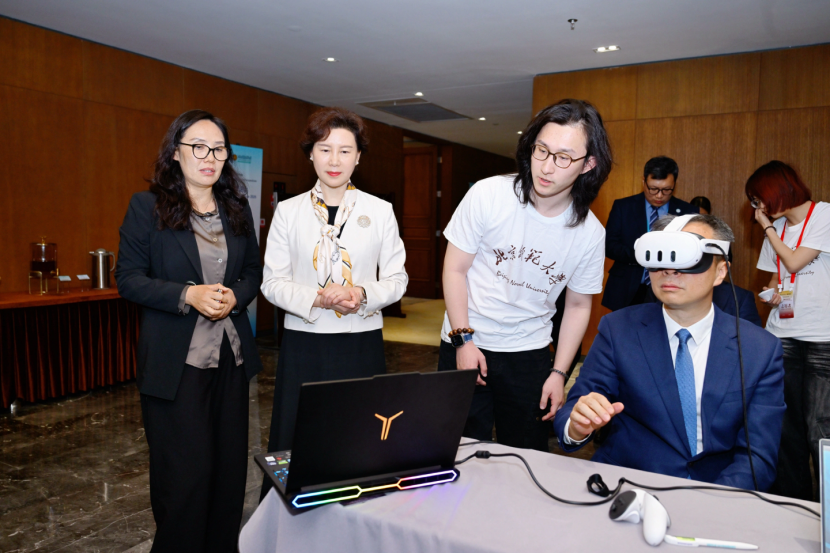
During the roundtable meeting, BNU specially set up an exhibition produced by the School of Arts and Communication. Based on traditional Chinese cultural elements such as the Classic of Mountains and Seas (Shan Hai Jing) and Dunhuang culture, the exhibition activates civilisational dialogue through digital art methods such as virtual reality, augmented reality, immersive spaces, and artificial intelligence, presenting cross-cultural scenes of Sino-Malaysian cultural integration. The exhibition is expected to be officially exhibited in Kuala Lumpur, the capital of Malaysia, in July 2026.