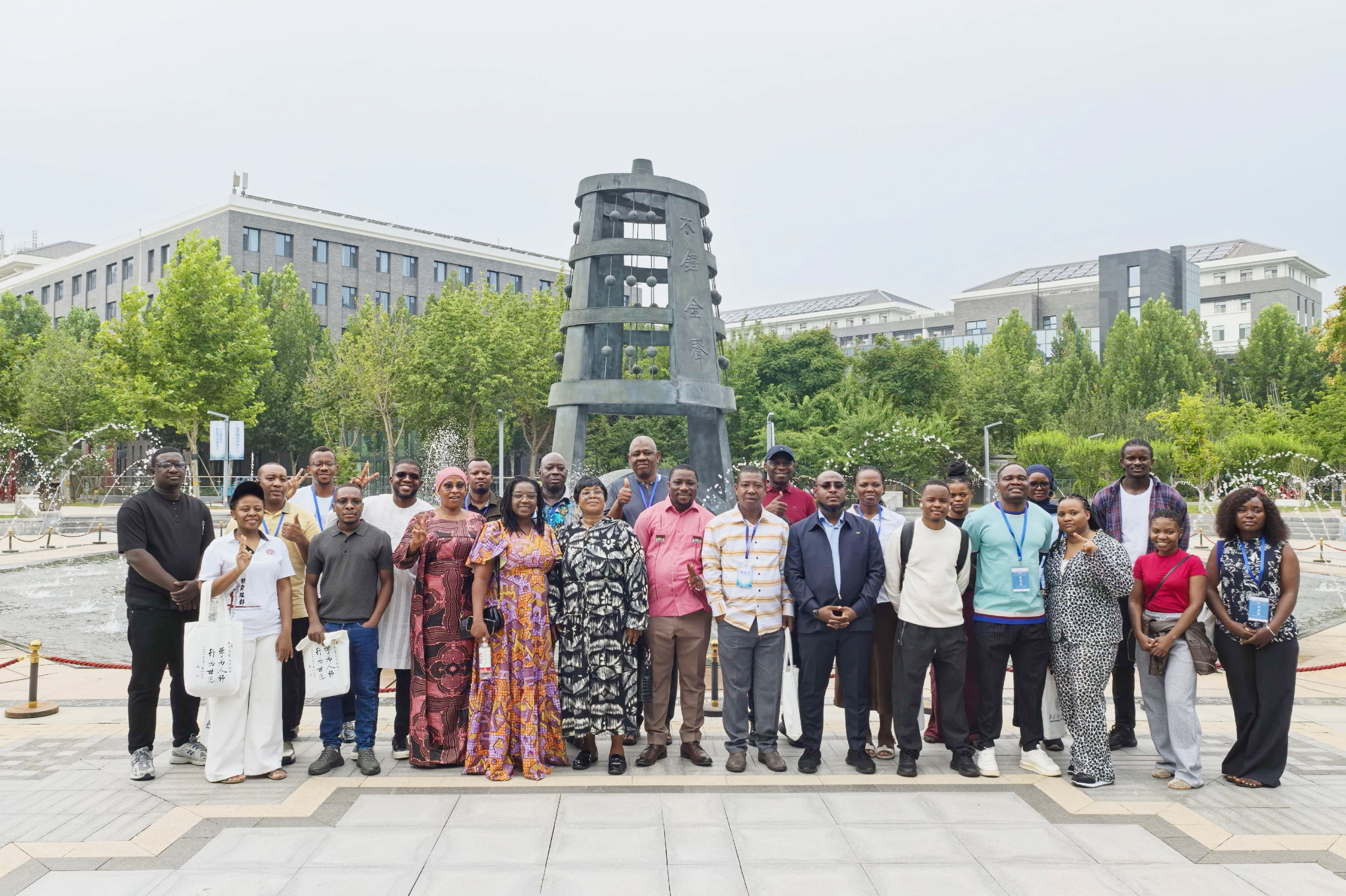

Beijing Normal University Hosts Africa "Advanced Training Program for Strategic Governance Capacity Building in Educational Modernization"
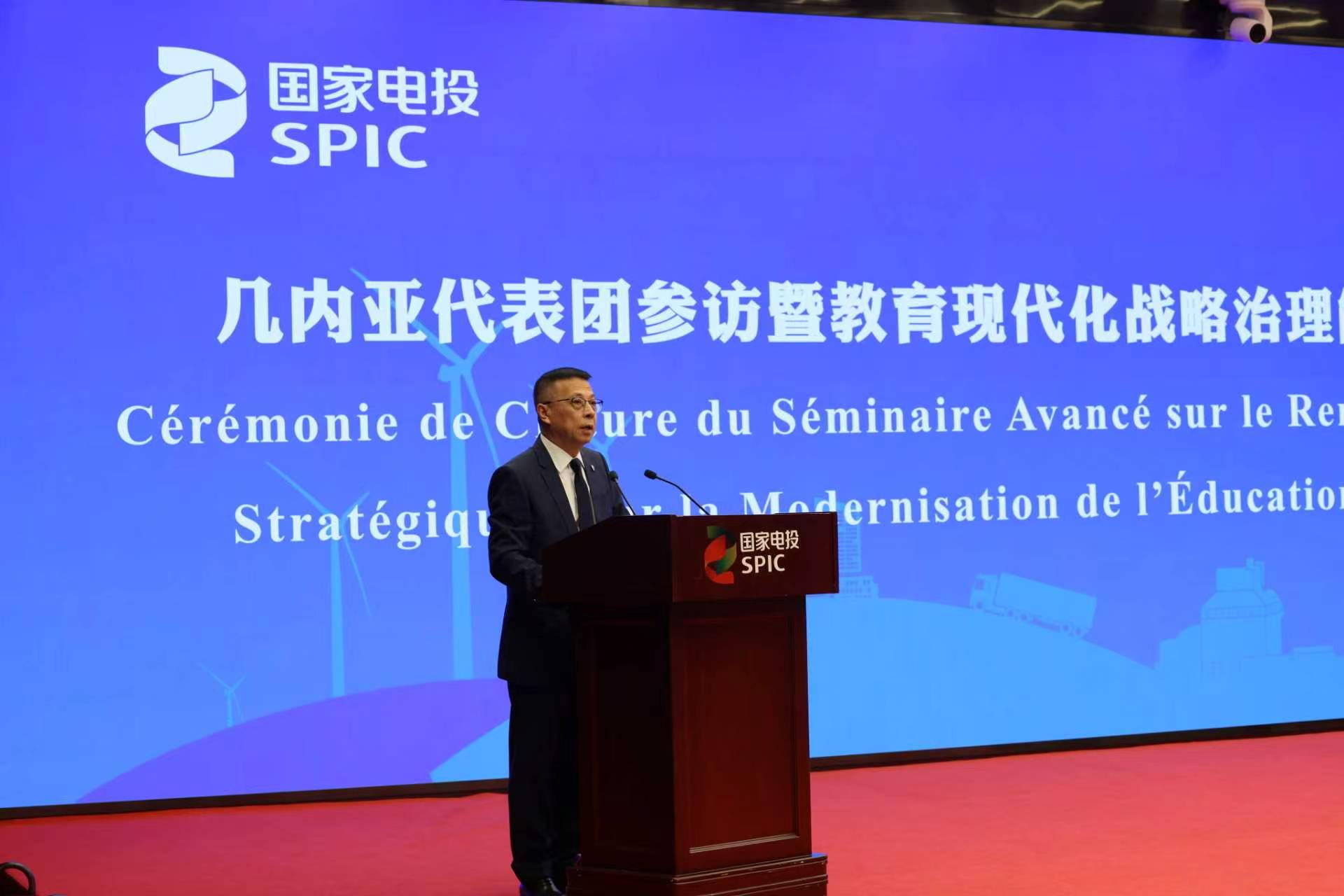
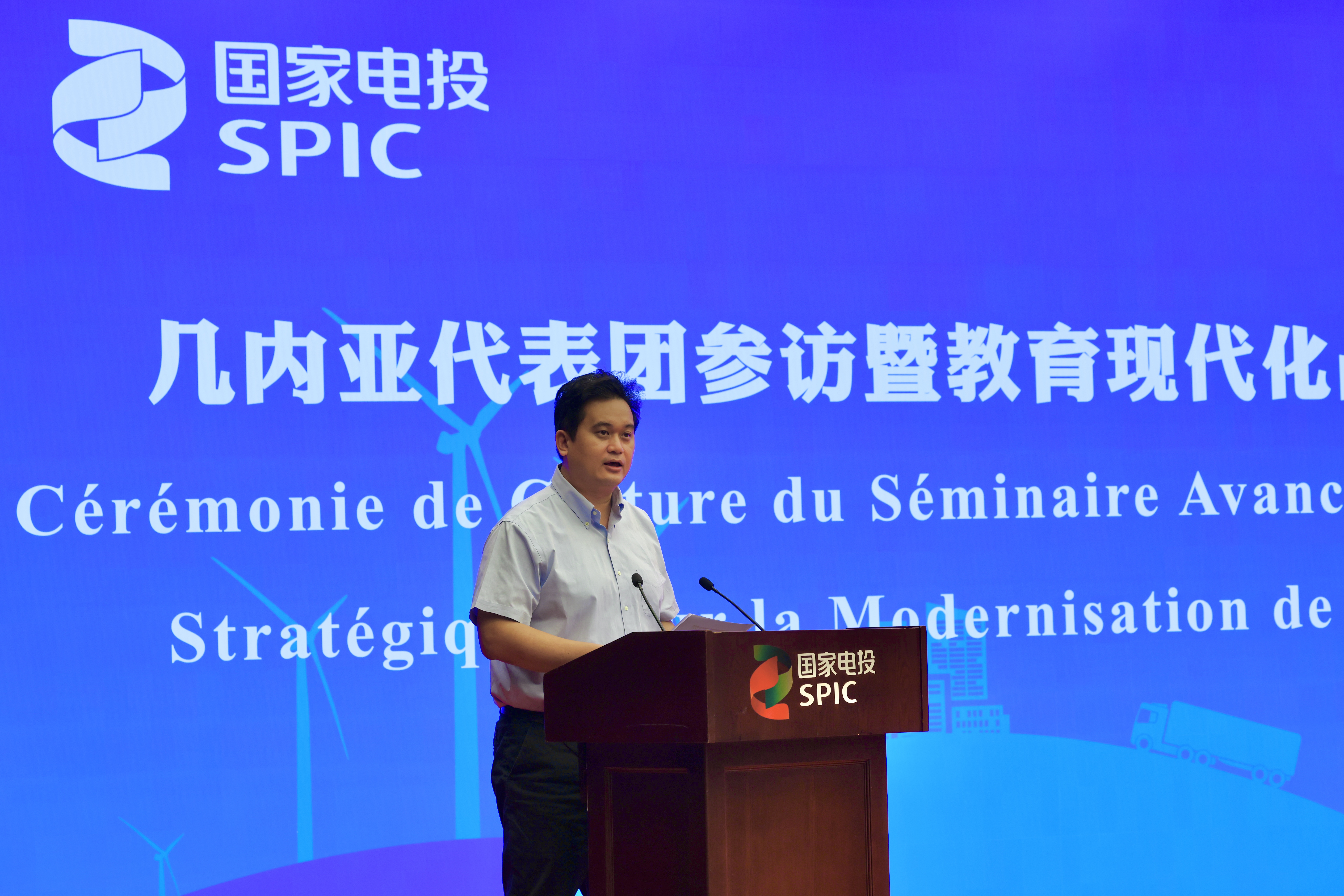
On the morning of August 30, the closing ceremony of the "Advanced Training Program for Strategic Governance Capacity Building in Educational Modernization," commissioned by the Ministry of Education, hosted by Beijing Normal University (BNU), and co-organized by State Power Investment Corporation Limited (SPIC), was held. Li Xuedong, Deputy Chief Economist of SPIC; Wang Ming, Vice President of BNU; and Keita Abdoulaye, Adviser to the Minister of Higher Education, Scientific Research and Innovation of Guinea, attended the ceremony and delivered speeches. A total of 30 participants, comprising education officials and education researchers from African countries including Guinea, Tanzania, Ghana, Rwanda, Nigeria, and the Republic of the Congo, successfully completed the training program.
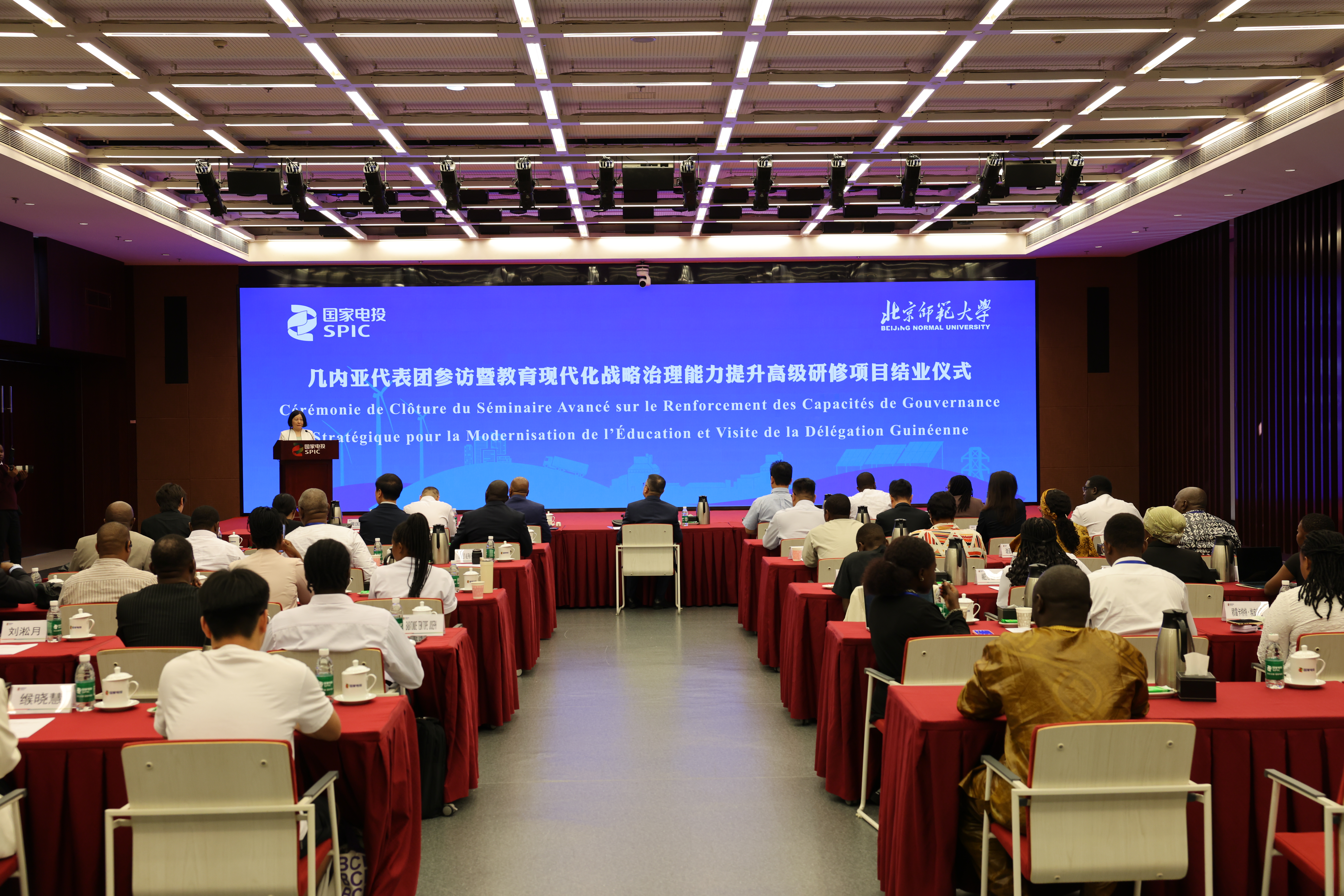
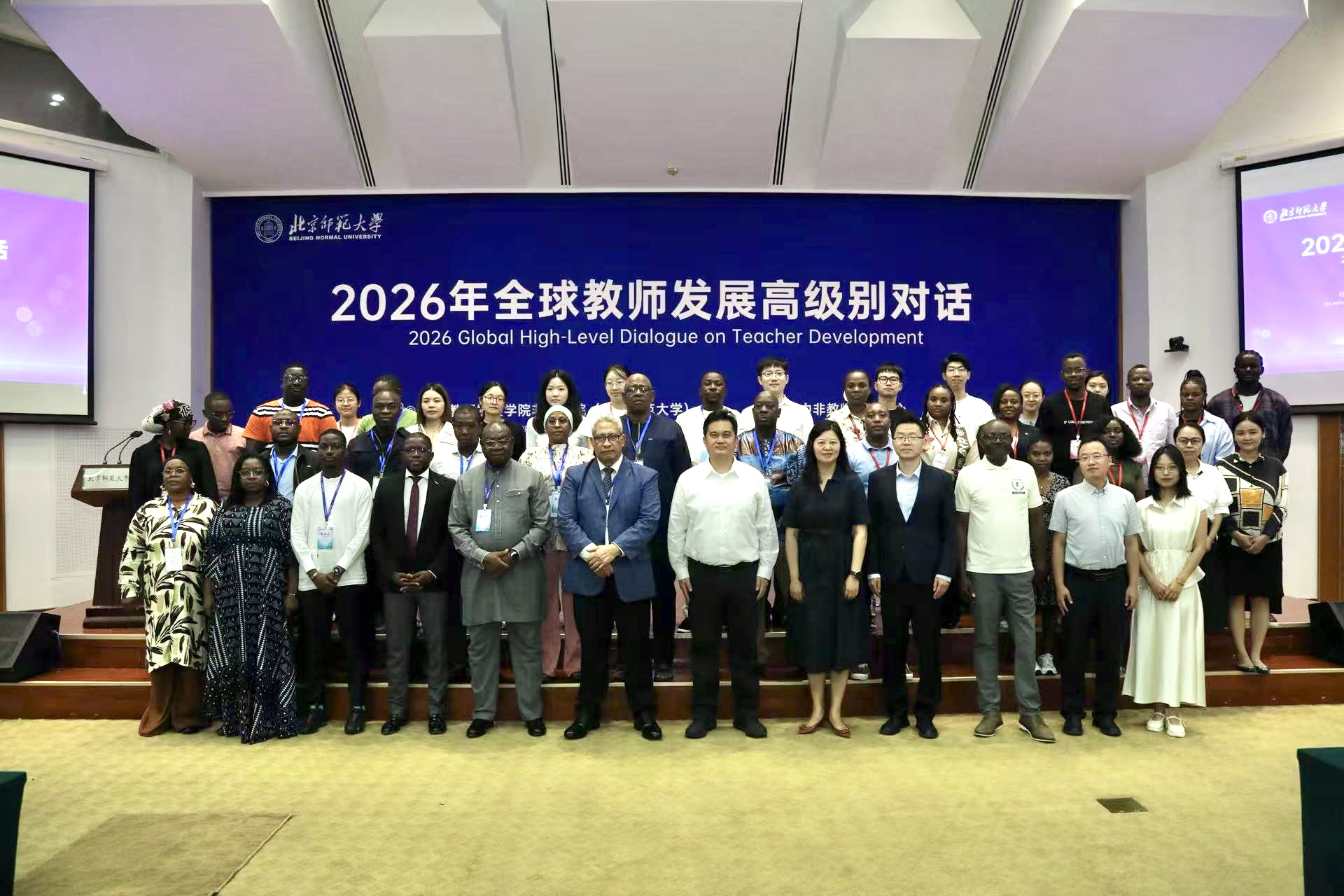
The training program was held in Beijing from August 17 to 31, lasting 15 days. It was organized and implemented by the School of Continuing Education and Teacher Training (SCETT), the Africa Institute of the Institute of Global Teacher Development (BNU), and the China-Africa Teacher Education Center (CATEC), which coordinated the entire process from program design and curriculum arrangement to participant management. The program focused on core topics including smart education, AI in education, educational strategic planning, regional education planning, digital governance system development, and digital resource construction. The program featured distinctive elements: participants first engaged in in-depth discussions at the 2026 Global Smart Education Conference on cutting-edge topics such as AI and sustainable development of education, educational transformation in the intelligent era, and AI and future schools. Subsequently, through thematic lectures, on-site instruction, workshops, and other diversified formats, they systematically studied China's practical experiences in strategic planning for educational modernization, regional education planning, digital governance, and smart campus development. The teaching faculty included scholars such as Professor Chen Guangju and Professor Zhu Zhiyong, who provided high-quality theoretical guidance and case-based instruction for the participants.
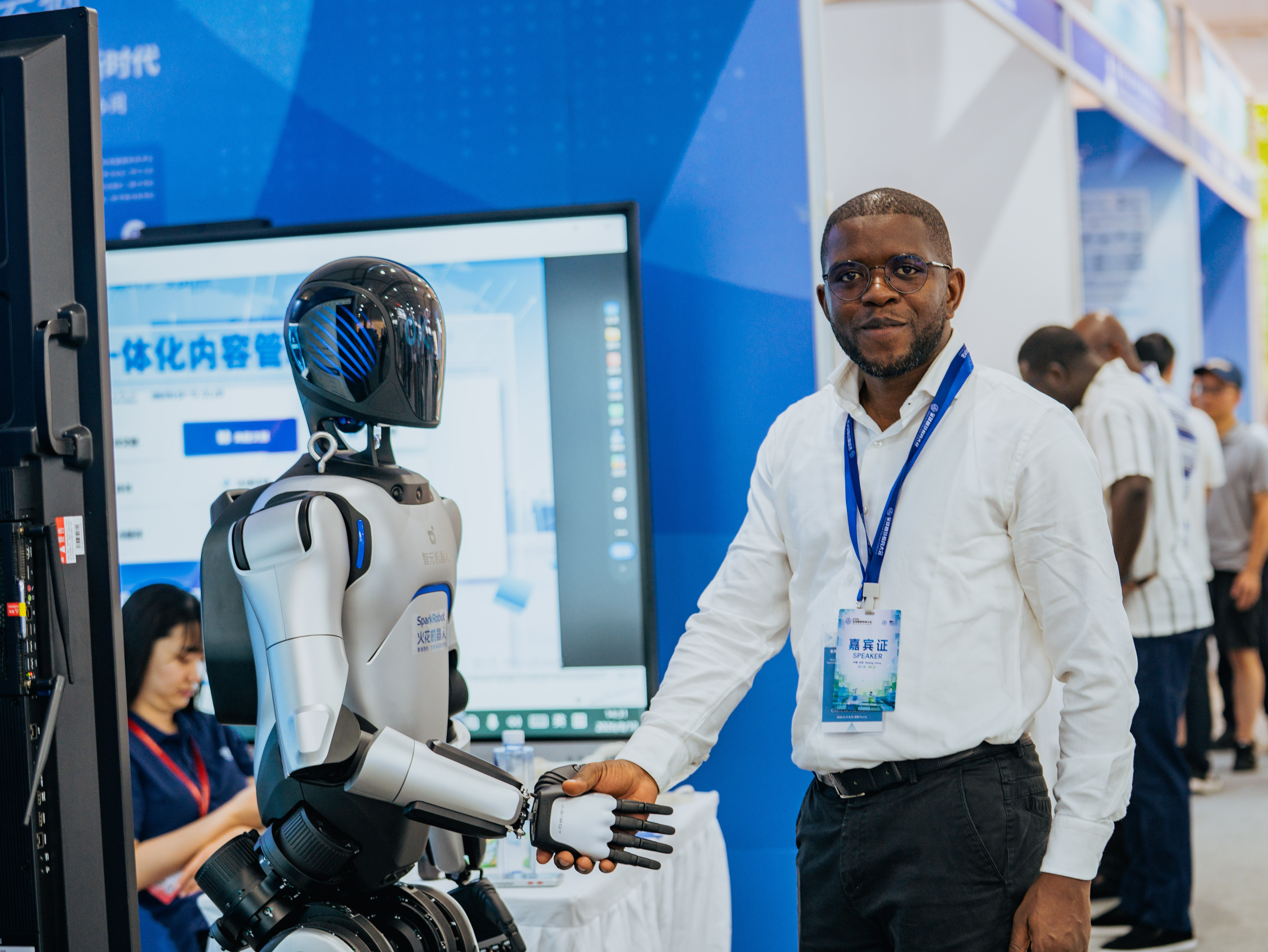
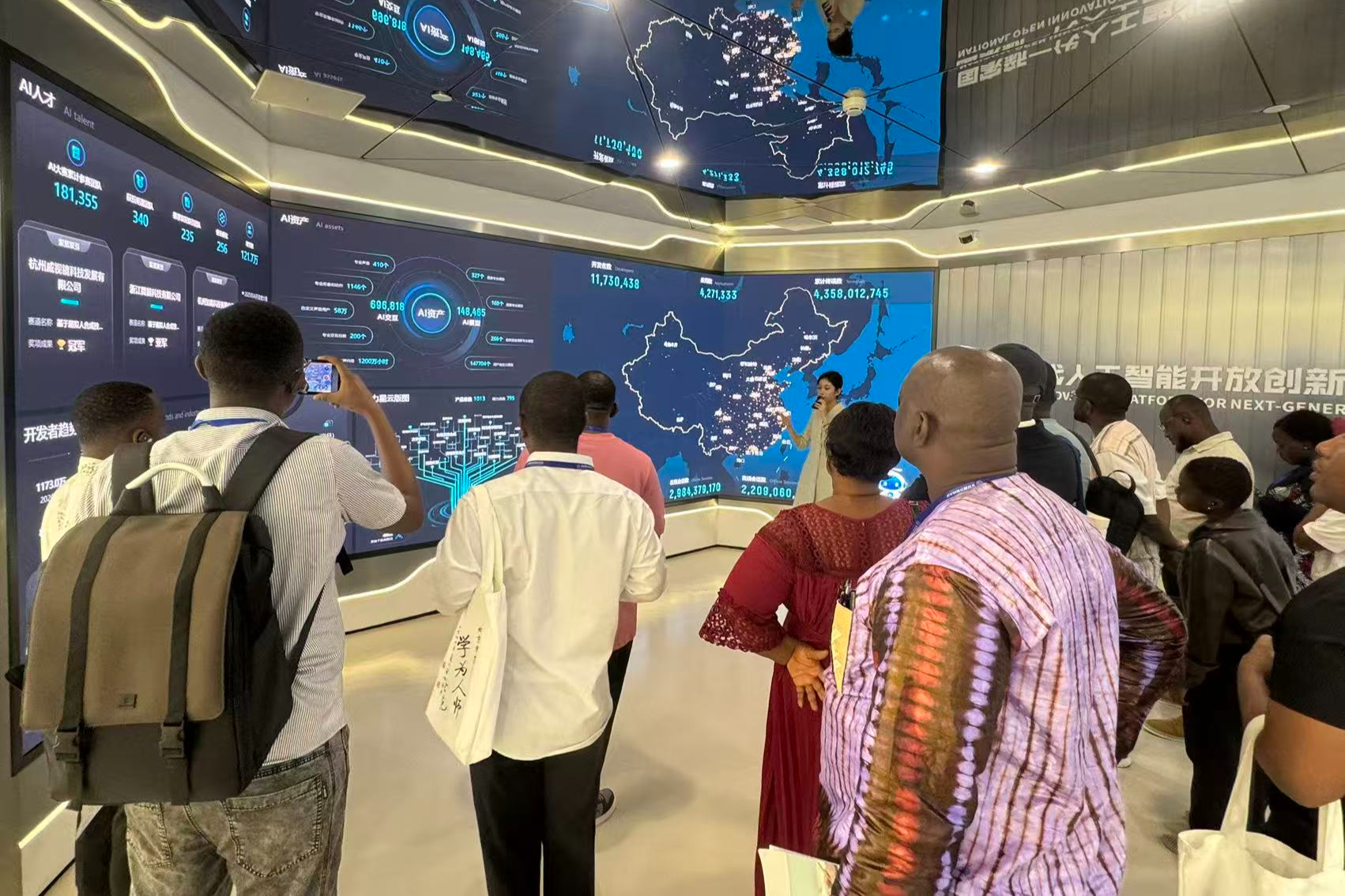
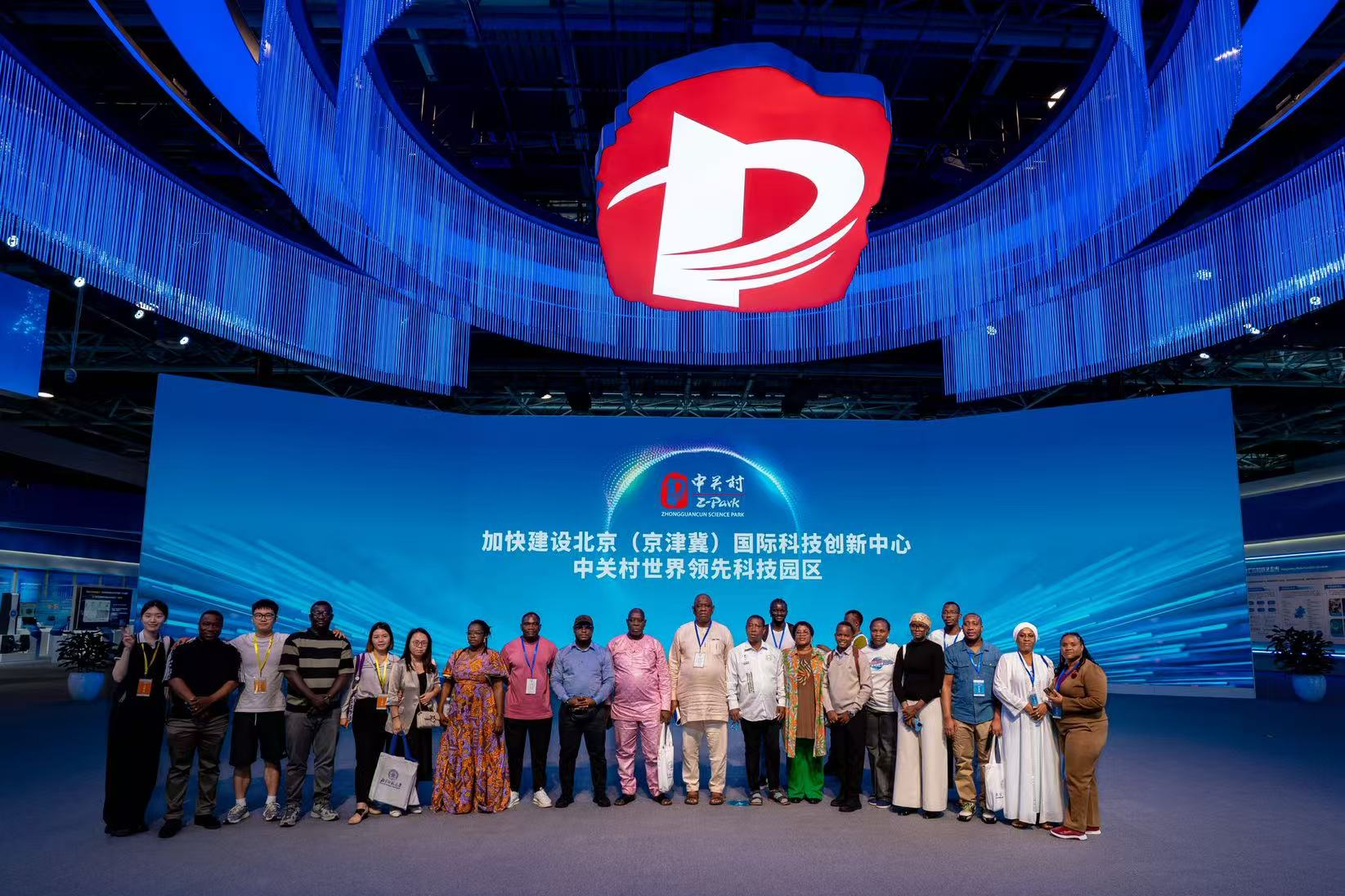
During the training, participants made field visits that offered an immersive experience of the complete landscape of China's smart education, from policy design to frontline implementation. In addition, they visited a number of cultural venues, where they cultivated the spirit of educators, explored the history of China-Africa friendship, and gained deep insights into the integration of artificial intelligence with museum education and intangible cultural heritage education. On August 27, the participants visited the Embassy of Guinea in China for discussions and exchanges.
At the closing ceremony, Li Xuedong stated that SPIC will continue to support China-Africa educational cooperation. Wang Ming noted that today's conclusion is not an end but a new beginning, expressing the hope that participants would bring the concepts and methods they learned in China back to their home countries and translate them into practical momentum for advancing the modernization of their own educational development. Keita Abdoulaye remarked that the training program holds profound and significant meaning for enhancing Guinea's educational governance capacity.
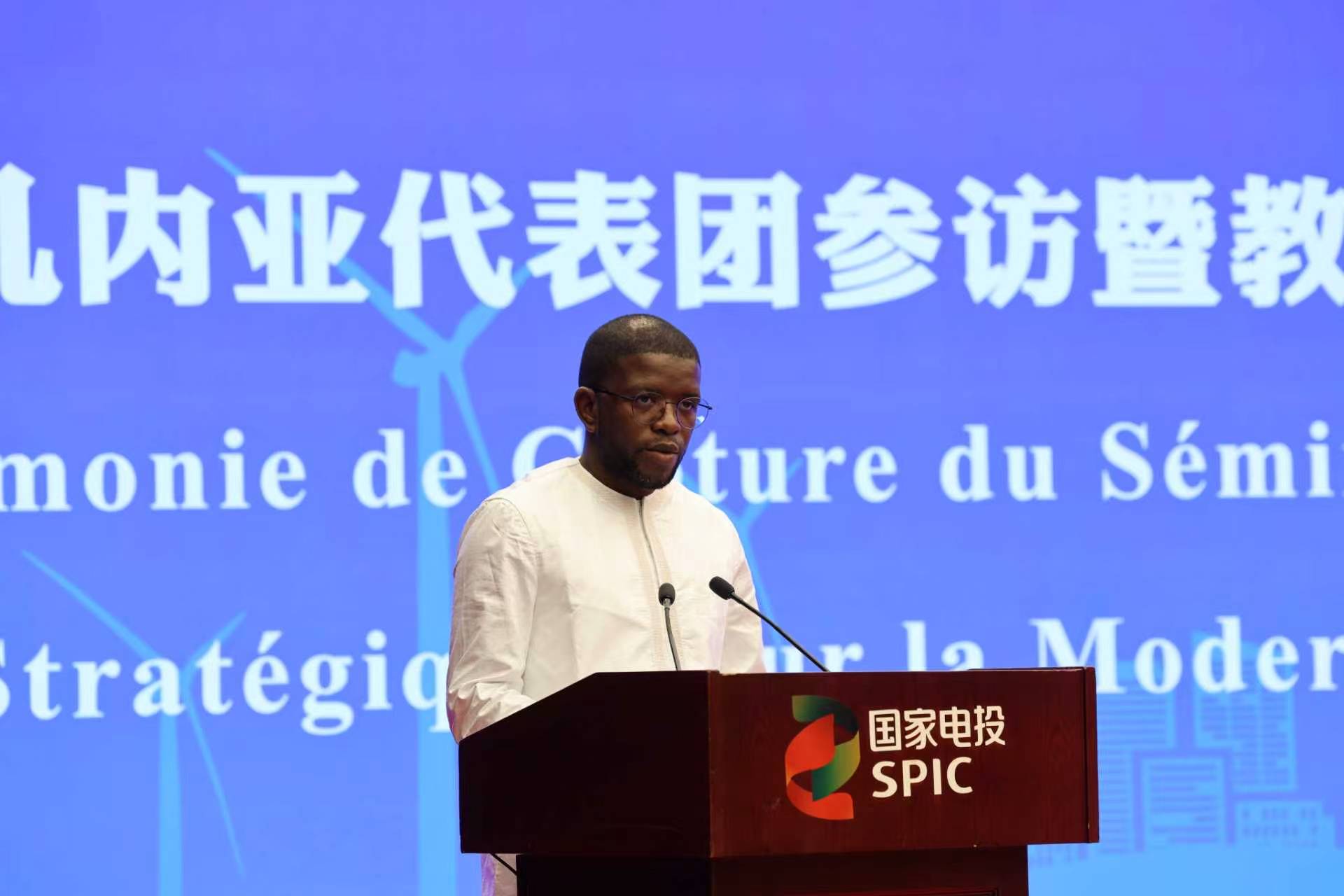
Participant representatives, Camara Abdoulaye, Director General of the Directorate of General Secondary and Technical Education of Guinea, and Camara Amara, Director General of the Guinean Institute for Scientific and Technological Research, shared their learning experiences. Subsequently, Vice President Wang Ming presented completion certificates to all participants.
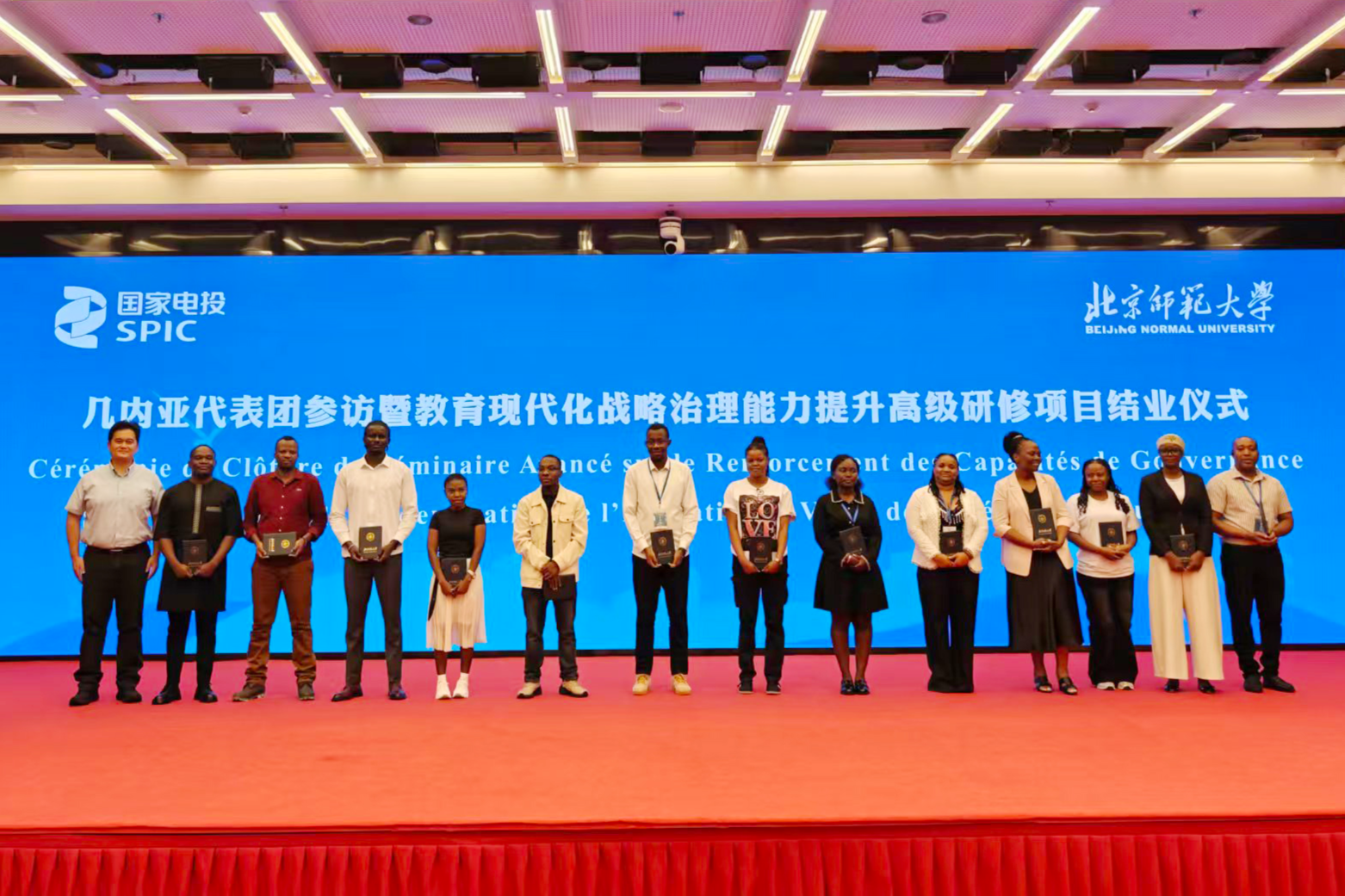
The implementation of this training program represents a vivid practice in implementing the outcomes of the Forum on China-Africa Cooperation (FOCAC) and deepening China-Africa educational cooperation. Leveraging BNU's strengths in teacher education and AI disciplines, and through a model of university-enterprise collaboration and diversified cooperation, the program provided tangible support for enhancing educational governance capacity in African countries. Participants expressed that they would bring the gains from this training back to their home countries and contribute to advancing the modernization of education in Africa.