

Jing Chen, Chair of UNSCEAR, Gave a Lecture at Beijing Normal University
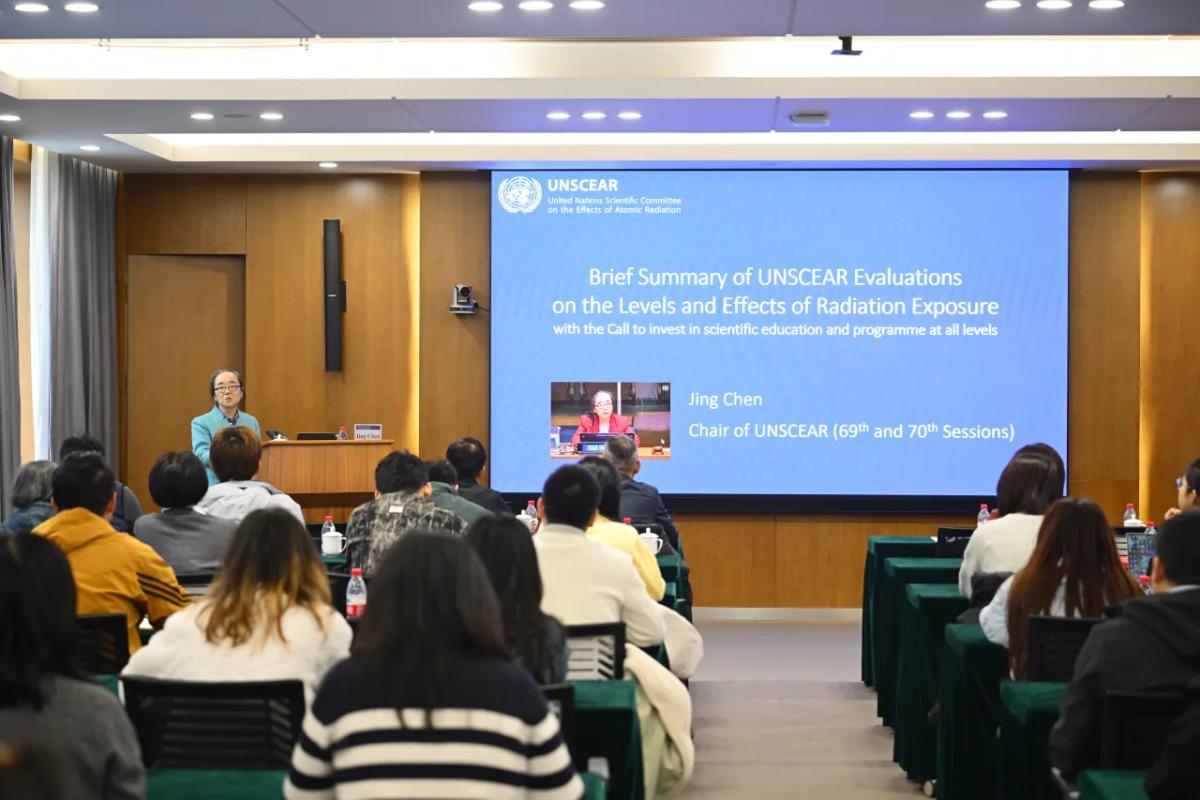
On November 5, Jing Chen, Chair of the United Nations Scientific Committee on Atomic Radiation Effects (UNSCEAR), delivered a presentation titled "Brief Summary of UNSCEAR Evaluations on the Levels and Effects of Radiation" at Beijing Normal University (BNU). Cheng Jianping, Chairman of the University Council, relevant officials from the Office of Science and the School of Physics and Astronomy, as well as over a hundred teachers and students attended this report meeting. Zhang Lixiao, the Vice Dean of the Office of Science and the Director of the Science and Technology Department, presided over the meeting.
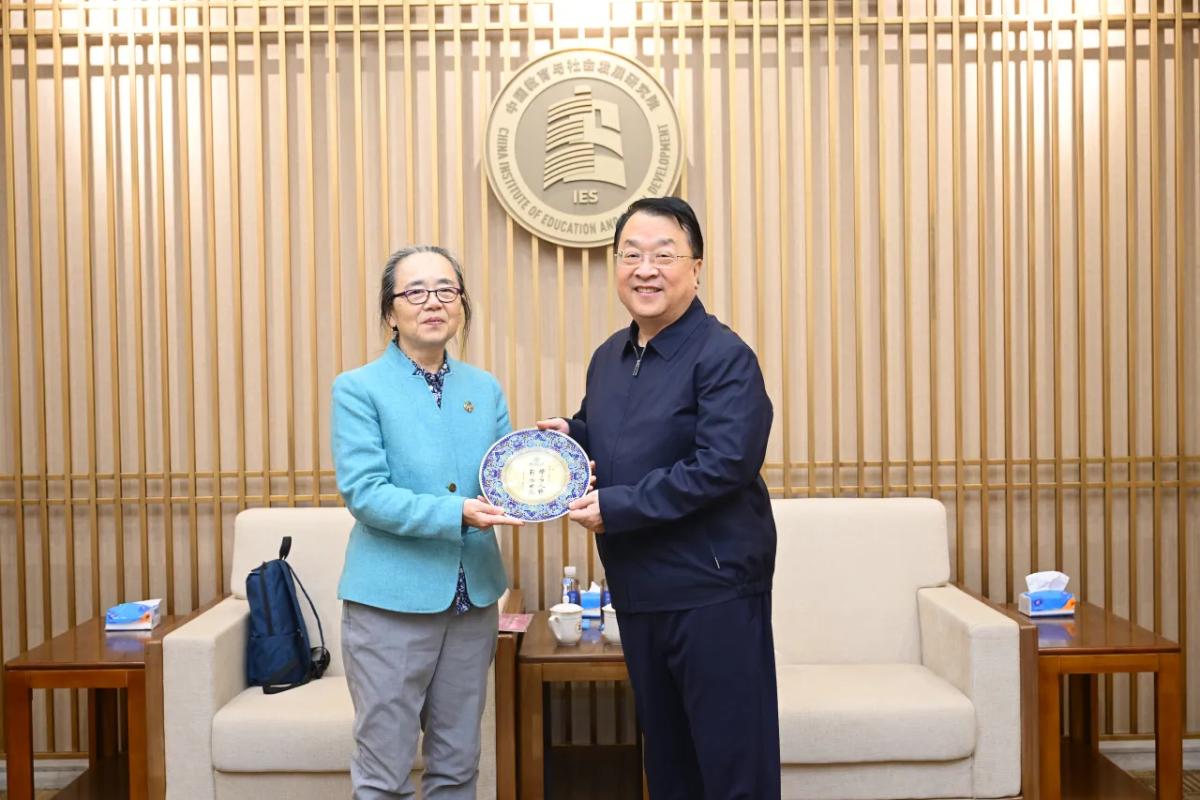
Before the report meeting, Cheng Jianping met with Jing Chen and expressed his sincere welcome for her visit. Cheng Jianping introduced the development history and educational philosophy of BNU, with a focus on showcasing the research ideas and significant achievements of the BNU's research teams in ionizing radiation and protection. He expressed his willingness to take this visit as an opportunity to establish a long-term cooperation mechanism between the school and UNSCEAR, to promote the extensive participation of teachers and students in the work of international academic organizations, assist in talent cultivation, contribute to the research on radiation protection, and jointly promote global sustainable development.
Jing Chen systematically introduced the composition, development history and working mode of UNSCEAR, and elaborated on the main conclusions of UNSCEAR's recent work, further research requirements and future work plans, etc. In her report, she elaborated in detail on the measurement methods of ionizing radiation and explained its impact on the social environment and human health. Based on the work situation of UNSCEAR, an appeal is made, hoping that the radiation research program will receive support from all sectors of society and continuous increase in investment, encouraging young scholars to join the research team of radiation medicine and protection, and making greater contributions to human health and social well-being.
During the interactive session, teachers and students on the spot engaged in exchanges and discussions on issues such as the impact of ionizing radiation and the radiation risks of medical exposure, and actively raised questions. Jing Chen answered them one by one and emphasized the importance of radiation protection work.