

The International Academic Conference on "Cultural Exchange and Sustainable Development" Held at BNU
On November 28, the International Academic Conference on "Cultural Exchange and Sustainable Development" grandly opened at the Jingshi Hotel of Beijing Normal University (BNU). Nearly a hundred experts and scholars from China, the United States, France, Switzerland, and other countries gathered to participate in the event, contributing new insights and impetus to promoting global cultural exchange and cooperation.
In his opening remarks, Kang Zhen, Vice President of BNU, stated that cultural exchange has always played an irreplaceable role in promoting sustainable development and building a community with a shared future for mankind. He pointed out that in the face of discordant elements within the international community, we should strengthen positive cultural dissemination and deepen exchanges and cooperation with peace-loving communities around the world who pursue common development.
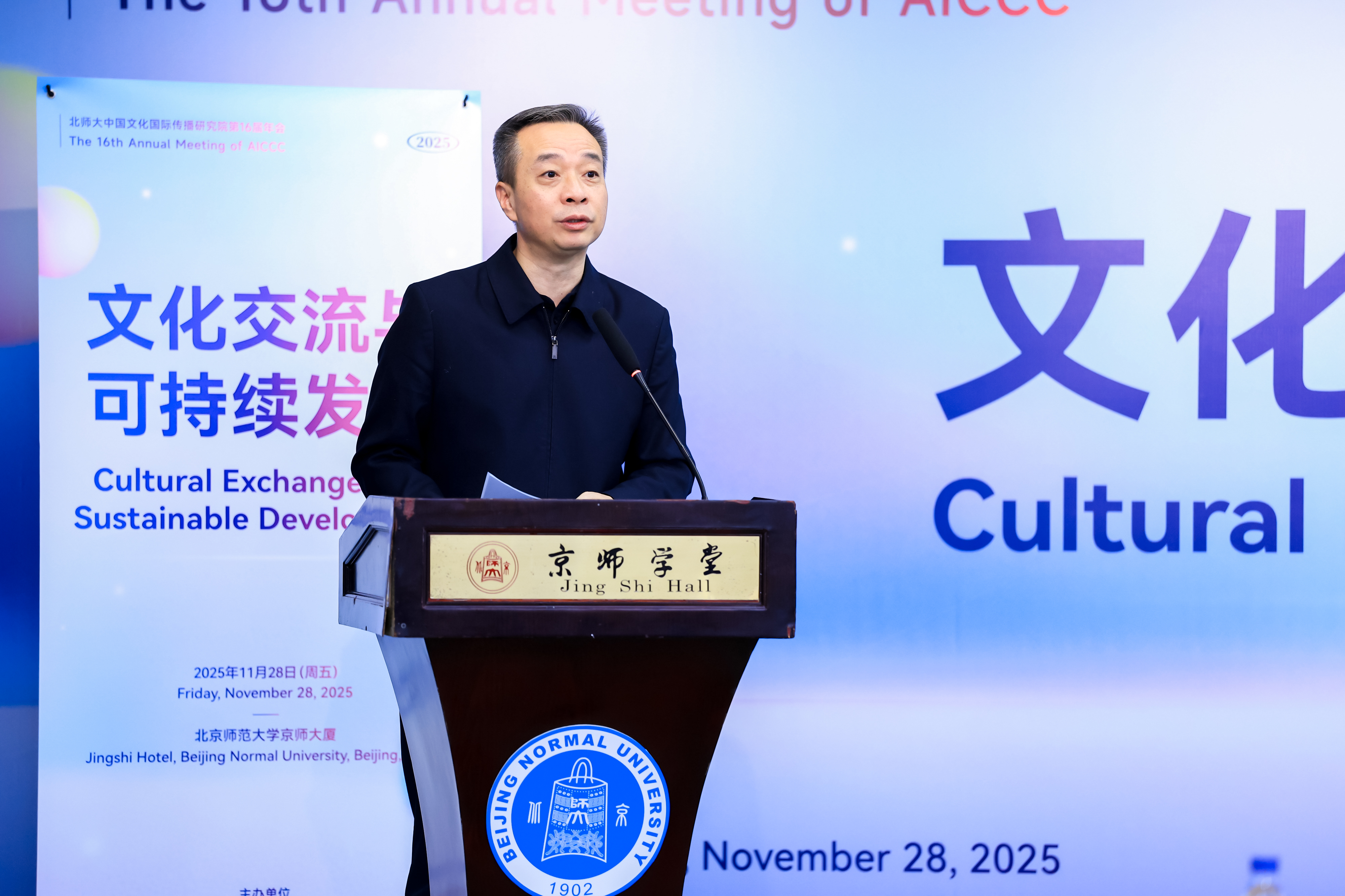
Kang Zhen, Vice President of BNU, delivered a speech.
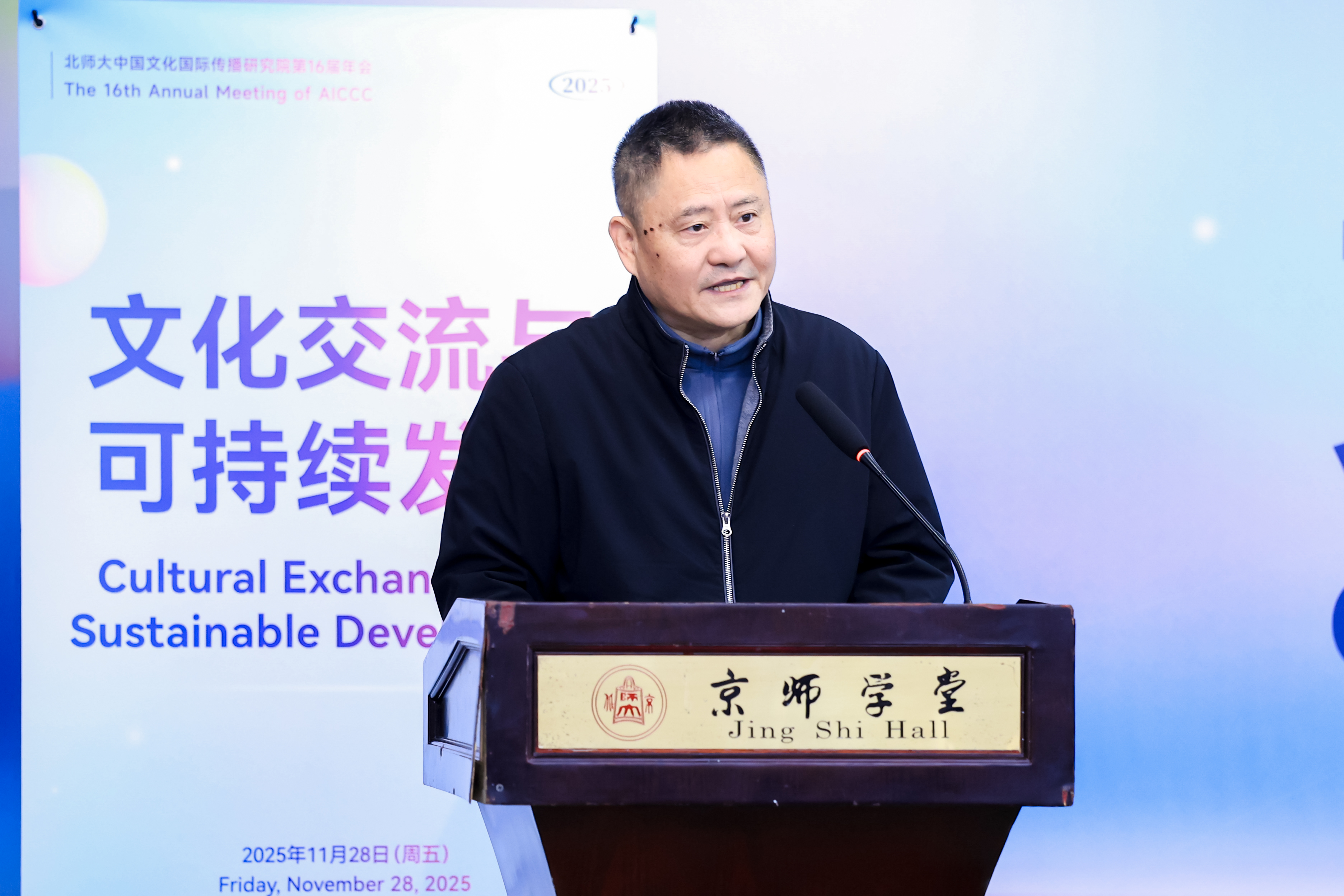
Xiang Yunjun, Executive Dean of the Academy for International Communication of Chinese Culture, presided over the opening ceremony of the conference.
Huang Huilin, Senior Professor at BNU, delivered a keynote speech. She emphasized that Chinese civilization has never been a closed system since ancient times, but has consistently enriched and evolved through exchanges with the world. This inclusive and magnanimous nature is the root of the powerful vitality of Chinese culture. The future of human civilization requires not a unipolar but a multipolar world; not isolation but symbiosis among civilizations.
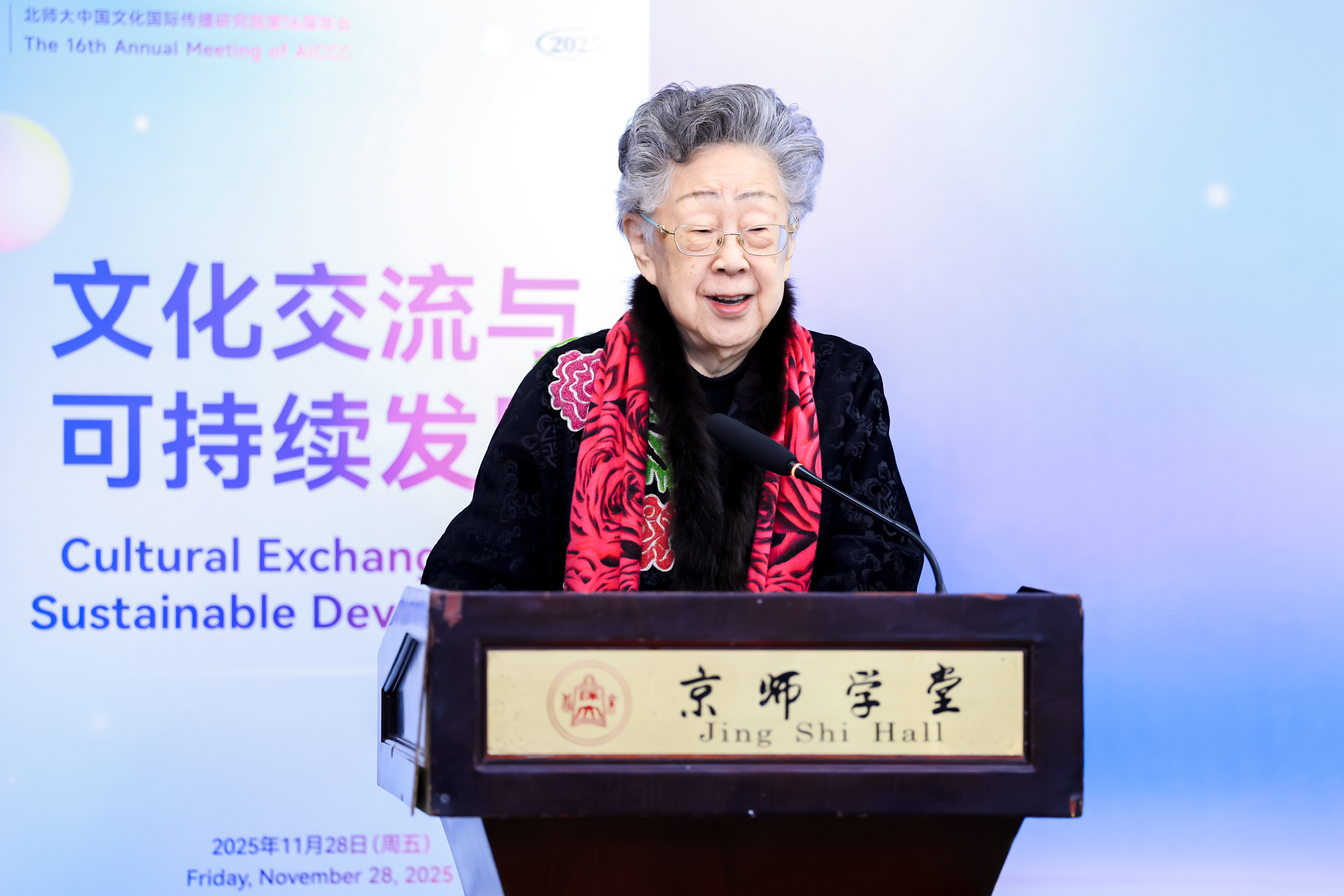
Huang Huilin, Senior Professor at BNU and Dean of the Academy for International Communication of Chinese Culture, delivered a keynote speech.
Roger T. AMES, Vice Chairman of the International Confucian Association, recipient of the Chinese Government Friendship Award, and Berggruen Professor at Peking University (PKU), delivered a keynote speech. He proposed that the essence of cultural exchange lies in recognizing our interdependent relationships, a realization essential for achieving sustainable development.
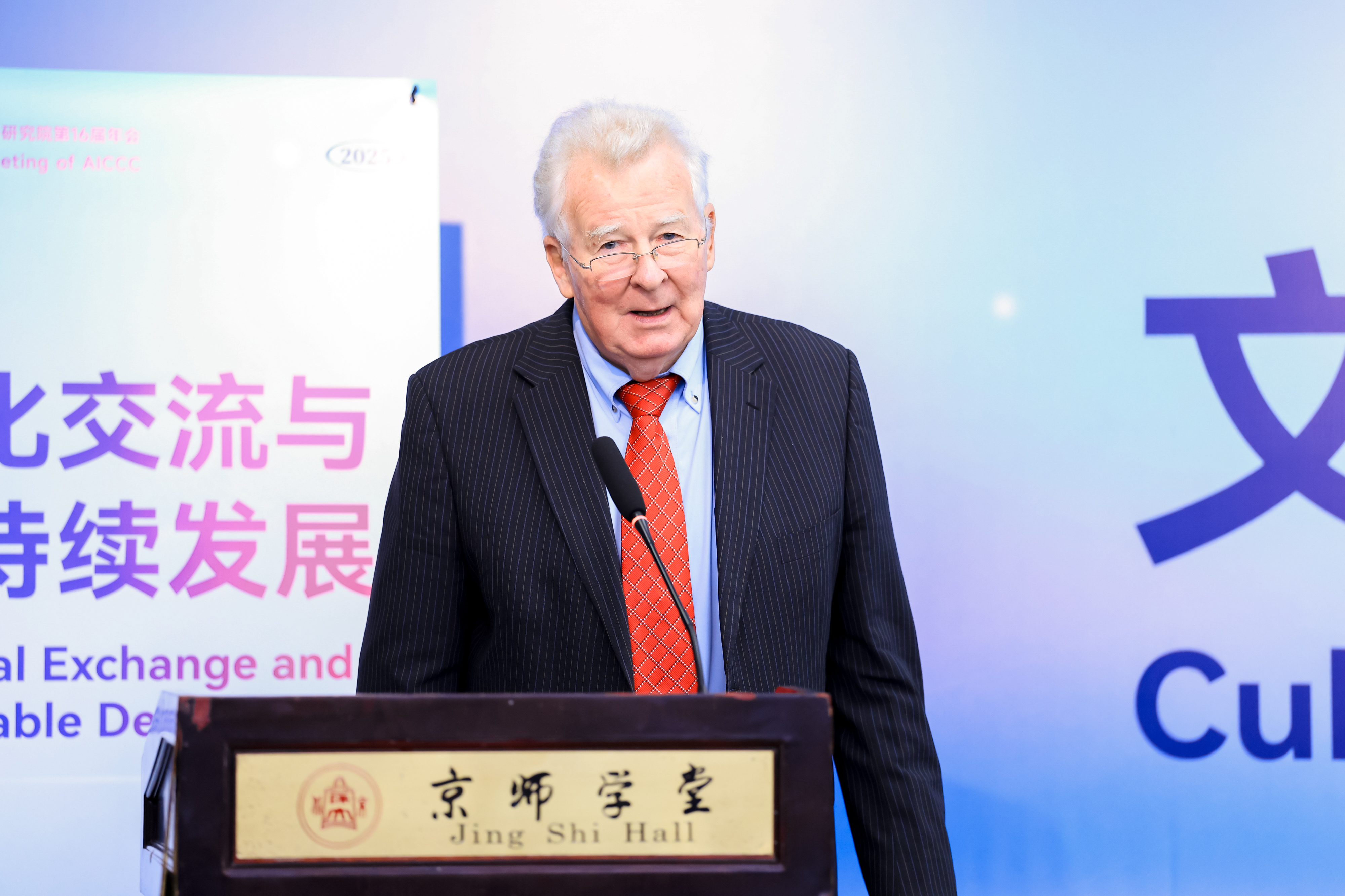
Roger T. AMES, Vice President of the International Confucian Association and Berggruen Professor at PKU, delivered a keynote speech.
Professor Lu Di, Director of Surrounding Communication Research Center at PKU, systematically elaborating on the "Surrounding Communication Theory," which was selected as one of the top ten original theories in Chinese philosophy and social sciences.

Lu Di, Professor and Director of Surrounding Communication Research Center at PKU, delivered a keynote speech.
Professor Andrea Riemenschnitter of the University of Zurich explored the significant insights that cultural forms such as poetry and tourism offer for contemporary sustainable development, drawing from contemporary Chinese poetry, mass tourism and sustainable development. She proposed a new approach to integrating the wisdom of traditional Chinese cultural into modern cultural tourism practices.
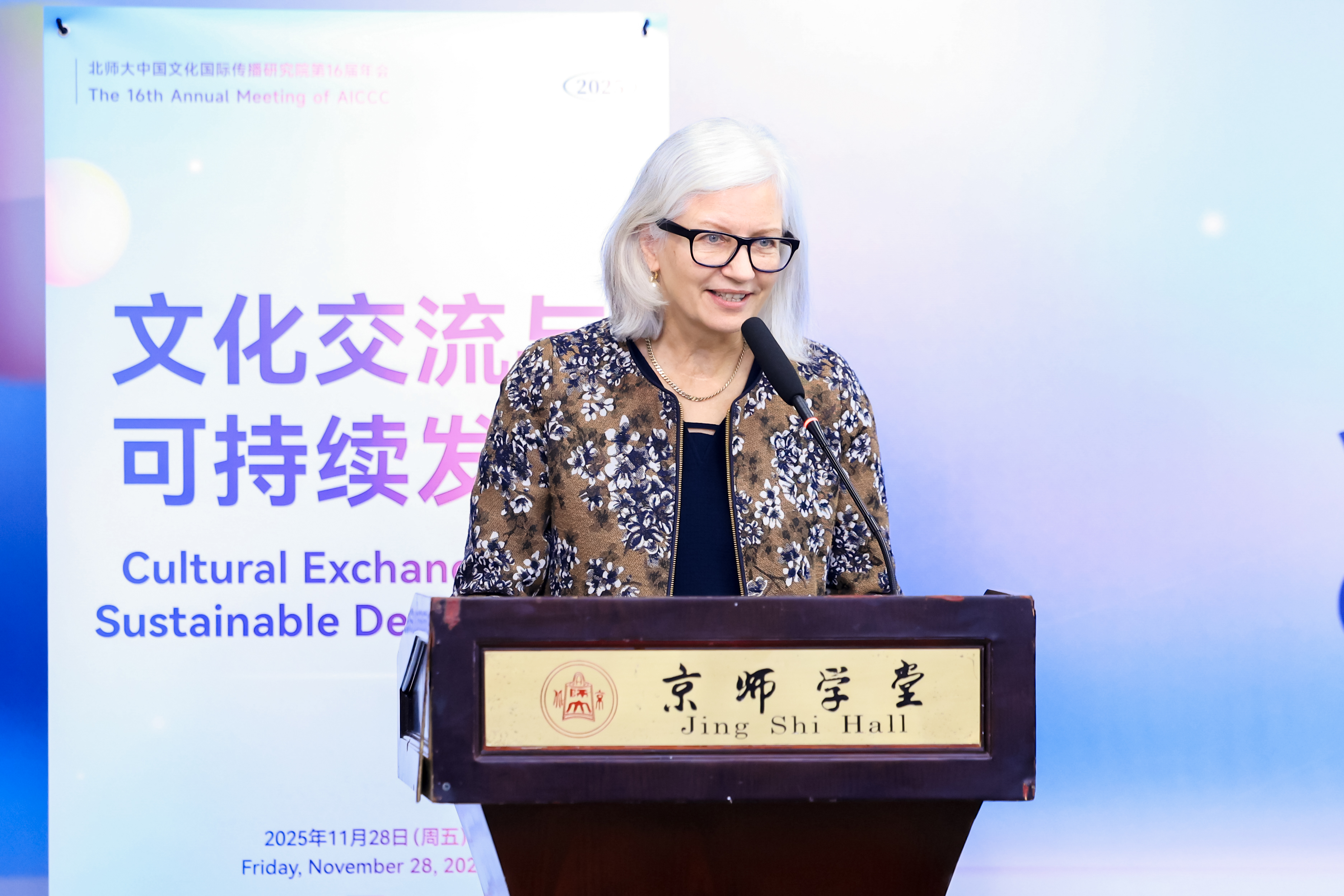
Professor Andrea Riemenschnitter from the University of Zurich, Switzerland, delivered a keynote speech.
Professor Chen Xihe of Shanghai University and Vice President of the Association for Asian Cinema Studies Society (ACSS) delivered a speech. In his speech, he systematically reviewed and highly praised Huang Huilin's academic contributions and intellectual evolution in the field of international dissemination of Chinese culture.

Professor Chen Xihe of Shanghai University and Vice President of ACSS delivered a keynote speech.
Joël Bellassen, professor of the Institut national des langues et civilisations orientales (INALCO) and former General Supervisor of Chinese Linguistics and Literature of the French Ministry of National Education, shared his practice and reflections on developing the "Dongba Culture MOOC". He also offered profound insights into the long-standing phenomenon of "emphasizing pronunciation while neglecting writing" in international Chinese language education from the perspective of comparing Eastern and Western civilizations.
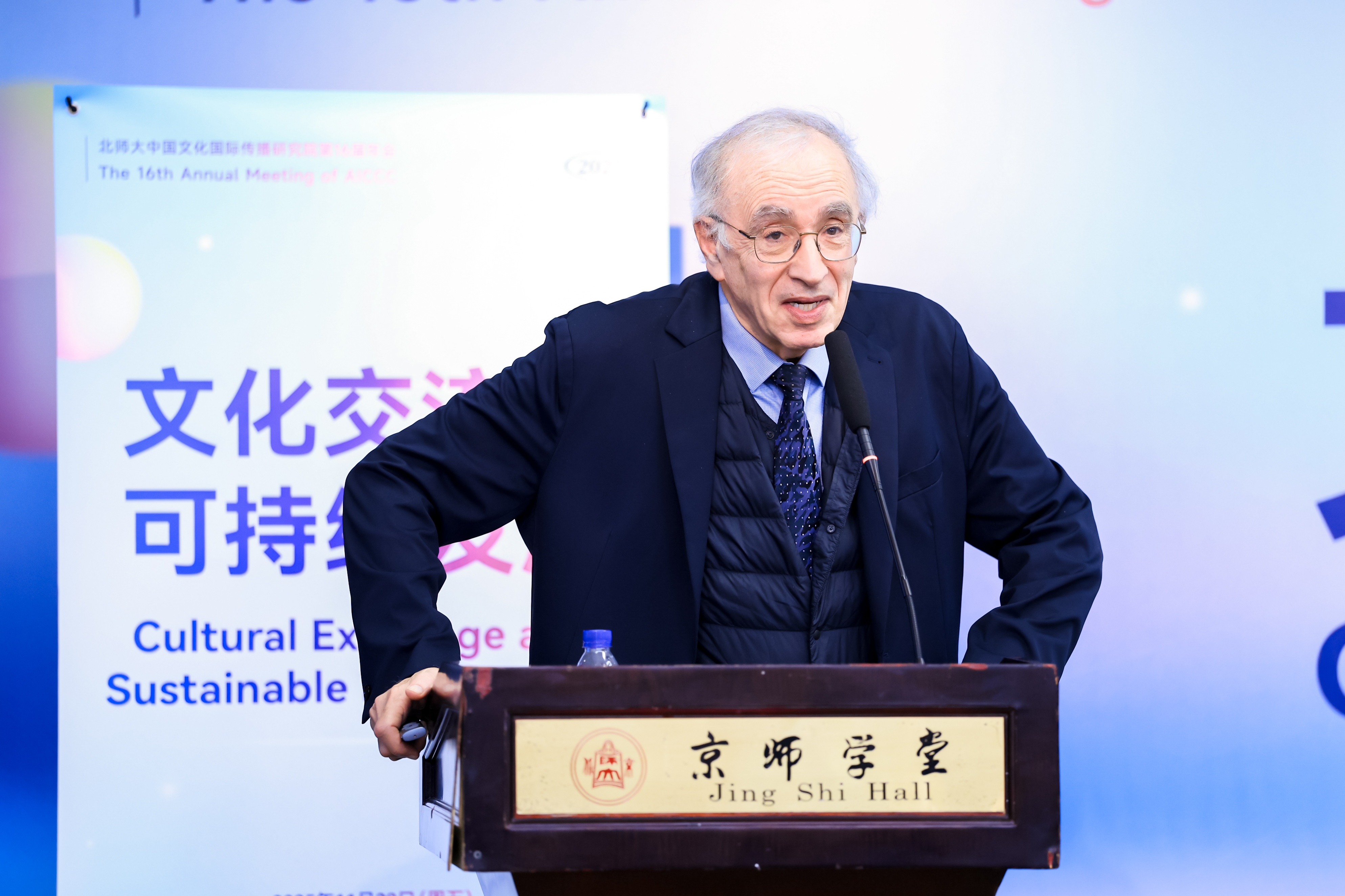
Joël Bellassen, professor of INALCO and former General Supervisor of Chinese Linguistics and Literature of the French Ministry of National Education, delivered a keynote speech.
Professor Yu Dan, Dean of the Beijing Institution of Cultural Innovation and Communication, delivered a keynote speech. She proposed that against the backdrop of the artificial intelligence era, the international communication of Chinese culture should return to its essence and achieve a leap and elevation from technology communication to value consensus.
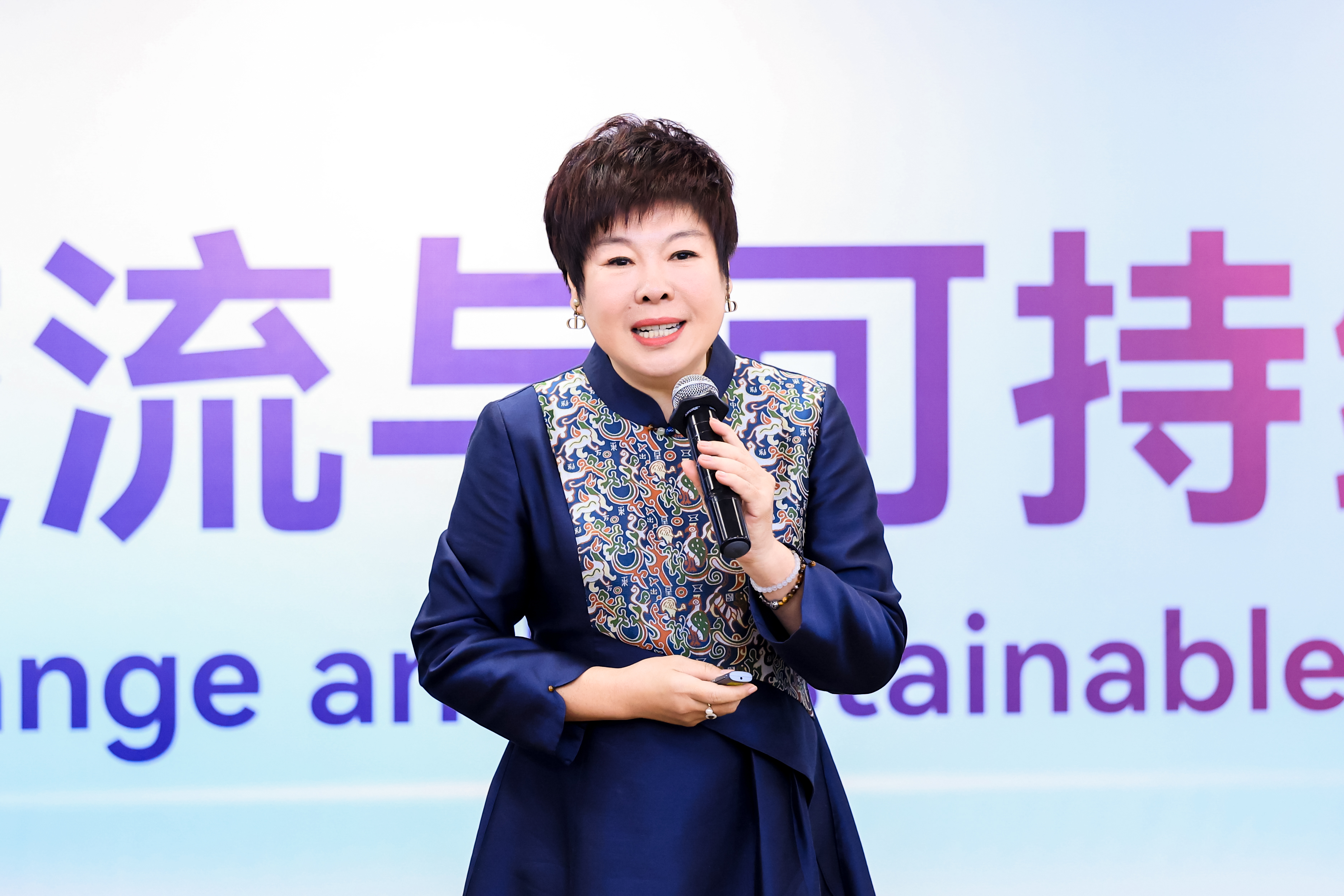
Professor Yu Dan, Dean of the Beijing Institution of Cultural Innovation and Communication delivered a keynote speech.
Bruno Pinchard, Emeritus Professor at Université Jean Moulin Lyon 3, delivered a lecture. He called on contemporary scholars to strive for more possibilities for the future of humanity through philosophical dialogue and mutual learning among civilizations.
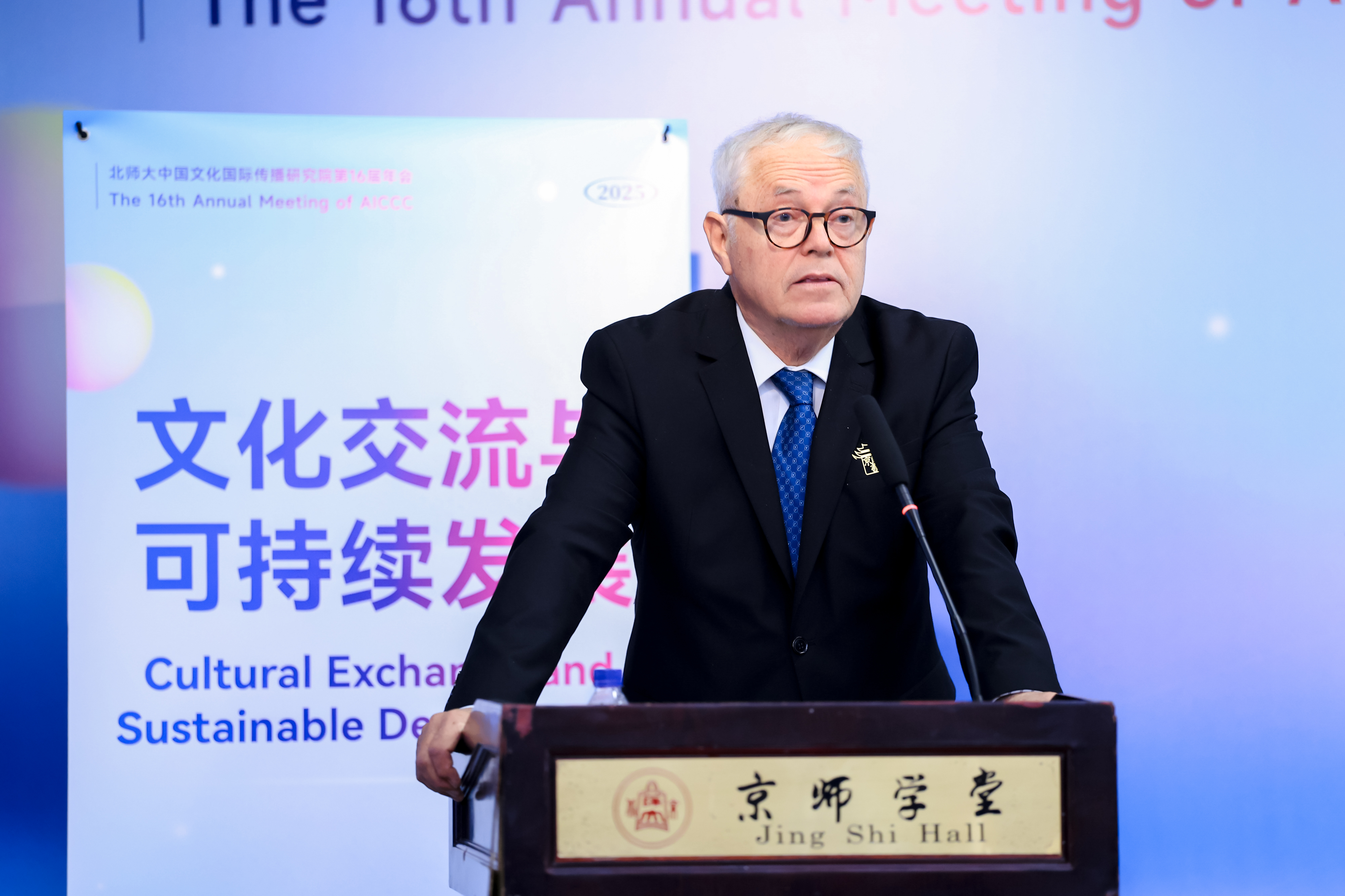
Bruno Pinchard, Emeritus Professor at the University of Lyon III, France, delivered a keynote speech.
Professor Li Daoxin at PKU, through in-depth research on Zheng Zhengqiu, a pioneer of Chinese cinema, revealed the creative generation mechanisms of early Chinese films in the context of globalization, providing a new perspective for understanding the creative transformation of Chinese culture in the era of globalization.
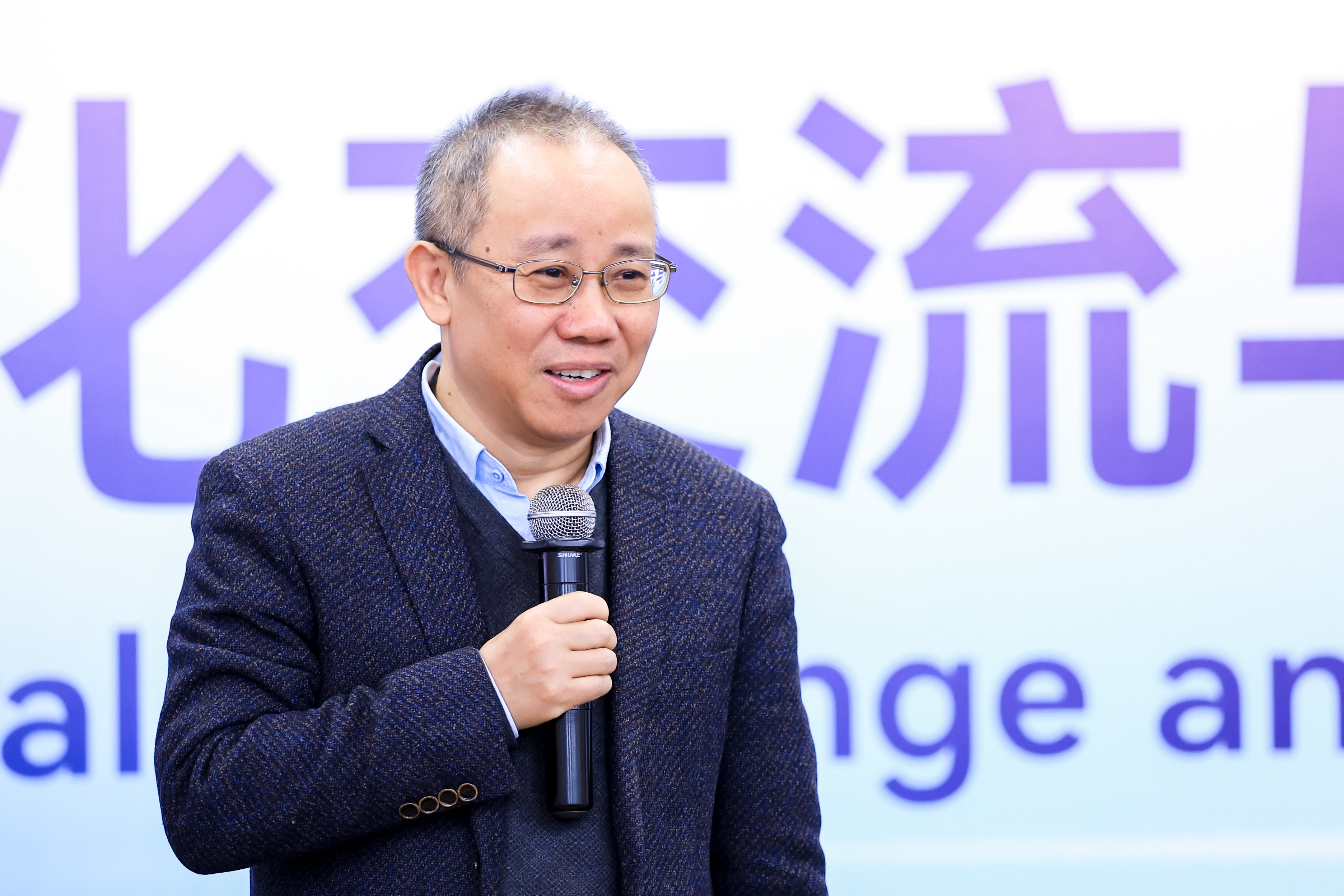
Professor Li Daoxin at PKU delivered a keynote speech.
The conference has set up four parallel forums and one dialogue session, where many scholars and experts will take the stage to discuss together.
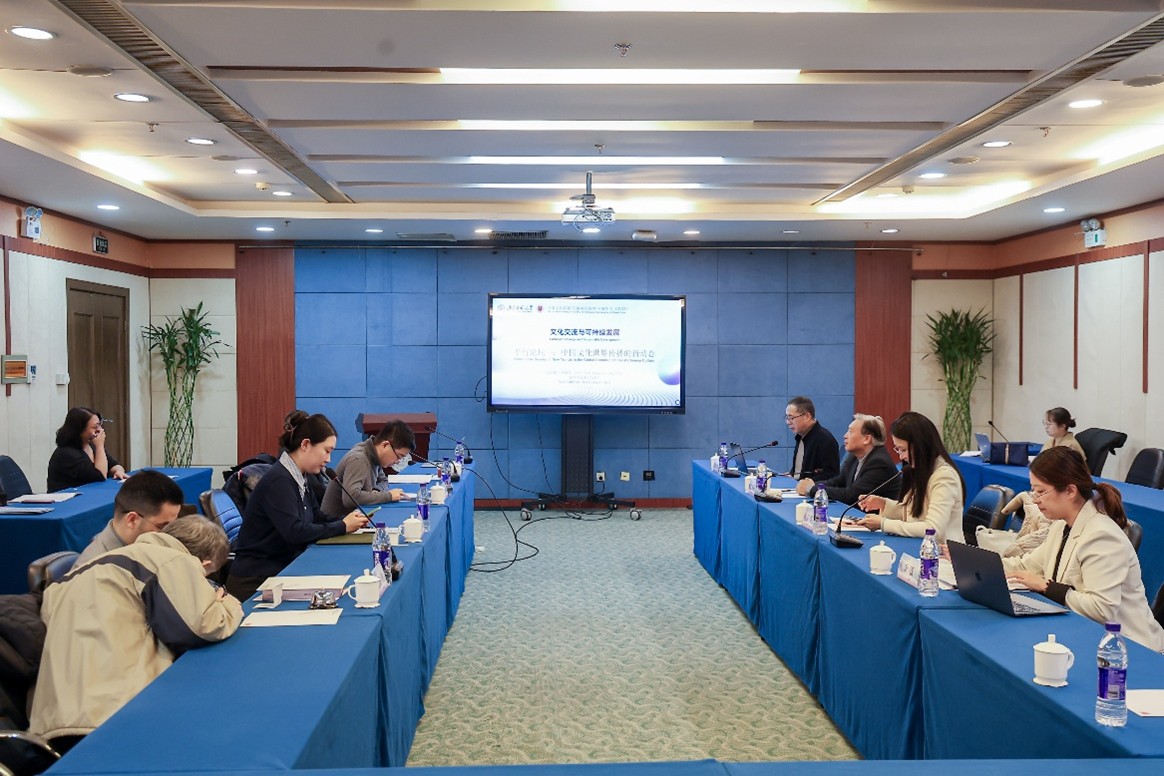
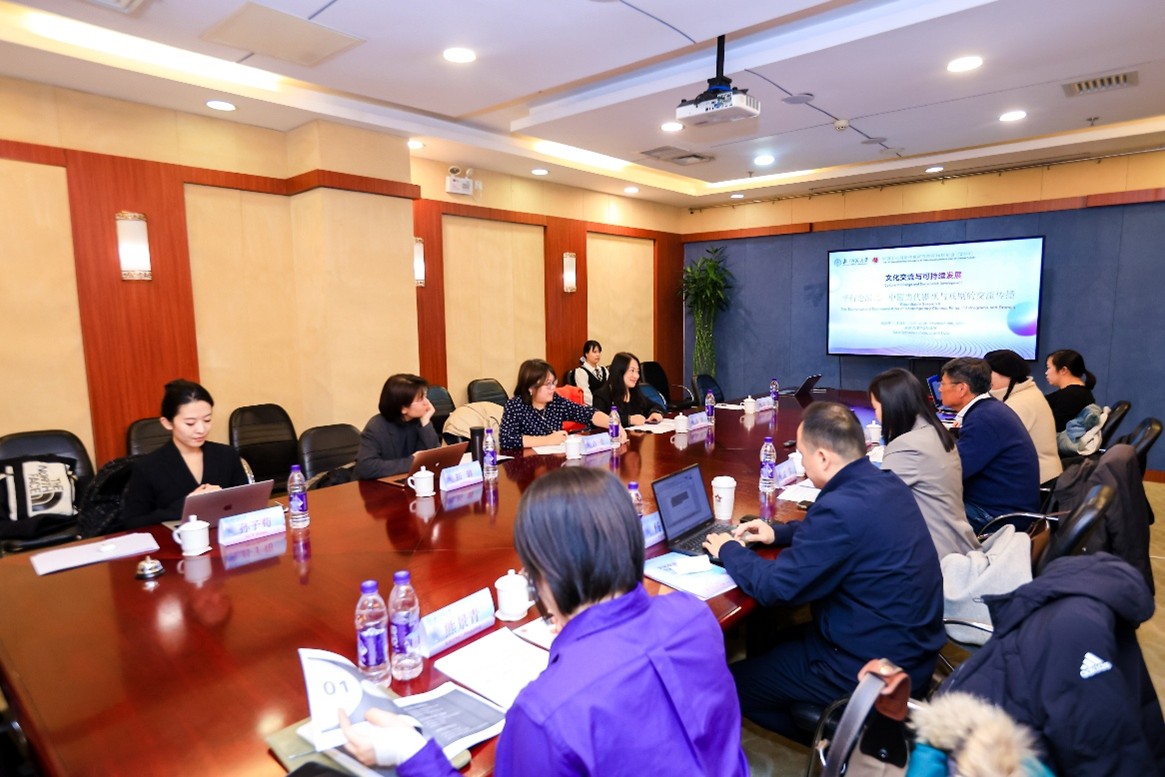
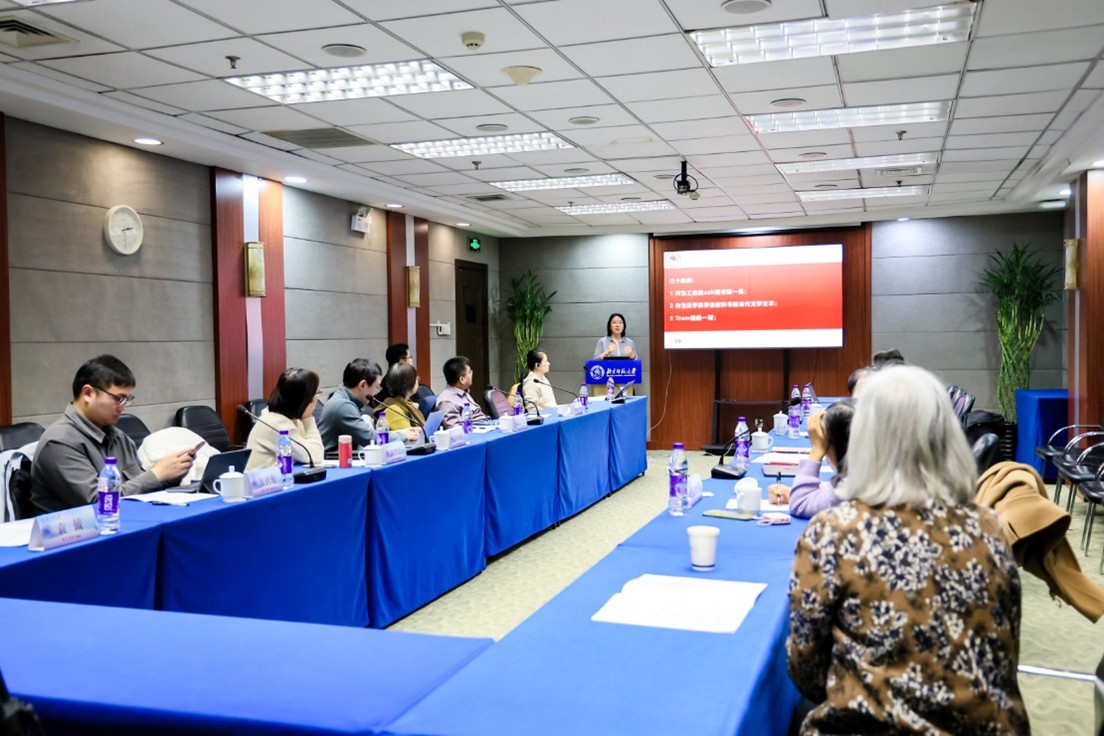

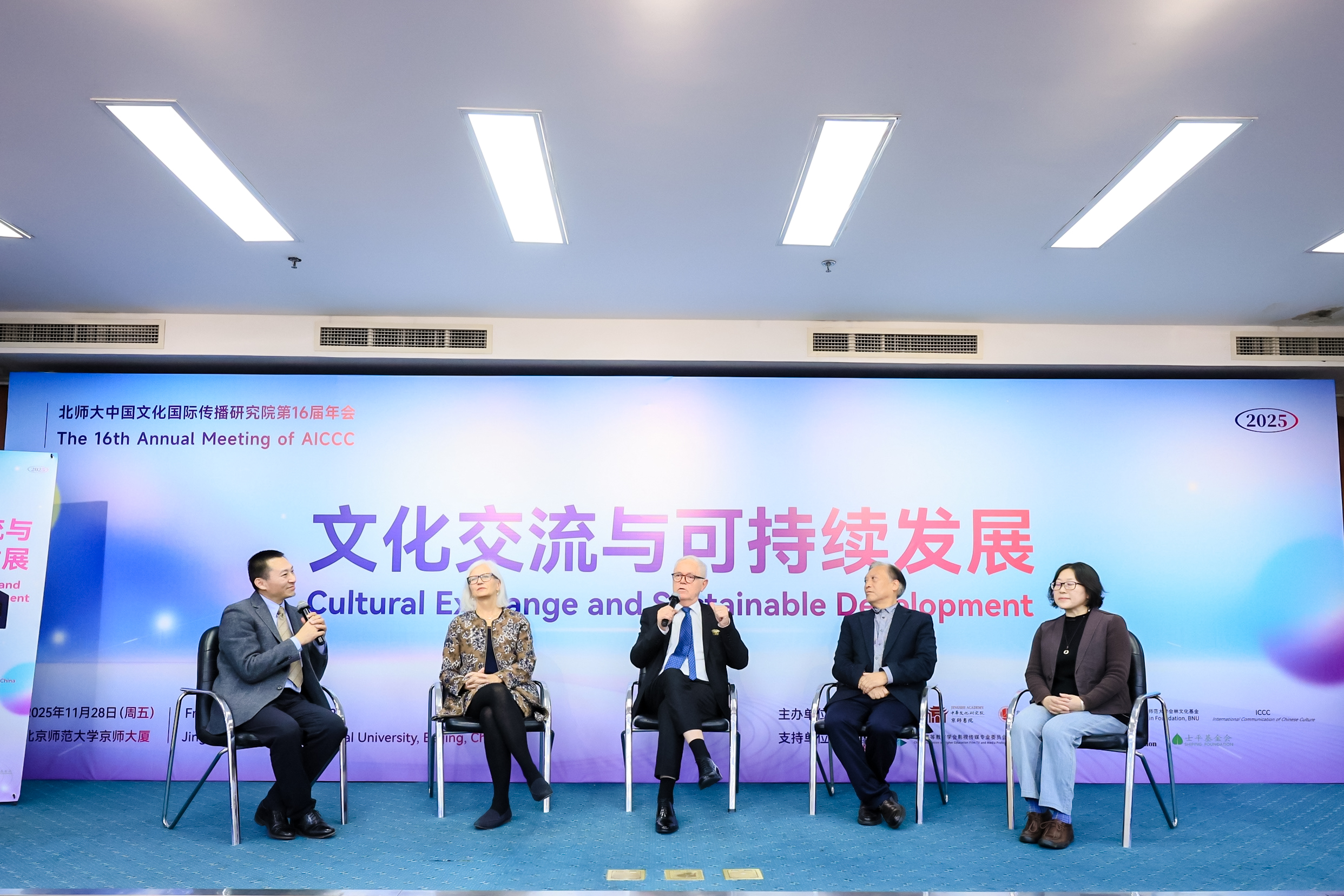
The conference delved into potential pathways for the future global communication of Chinese culture, highlighting that amid global conflicts and challenges of deglobalization, the academic community continues to advance with an open and collaborative spirit toward the shared vision of "harmony, peace, and sustainable development."
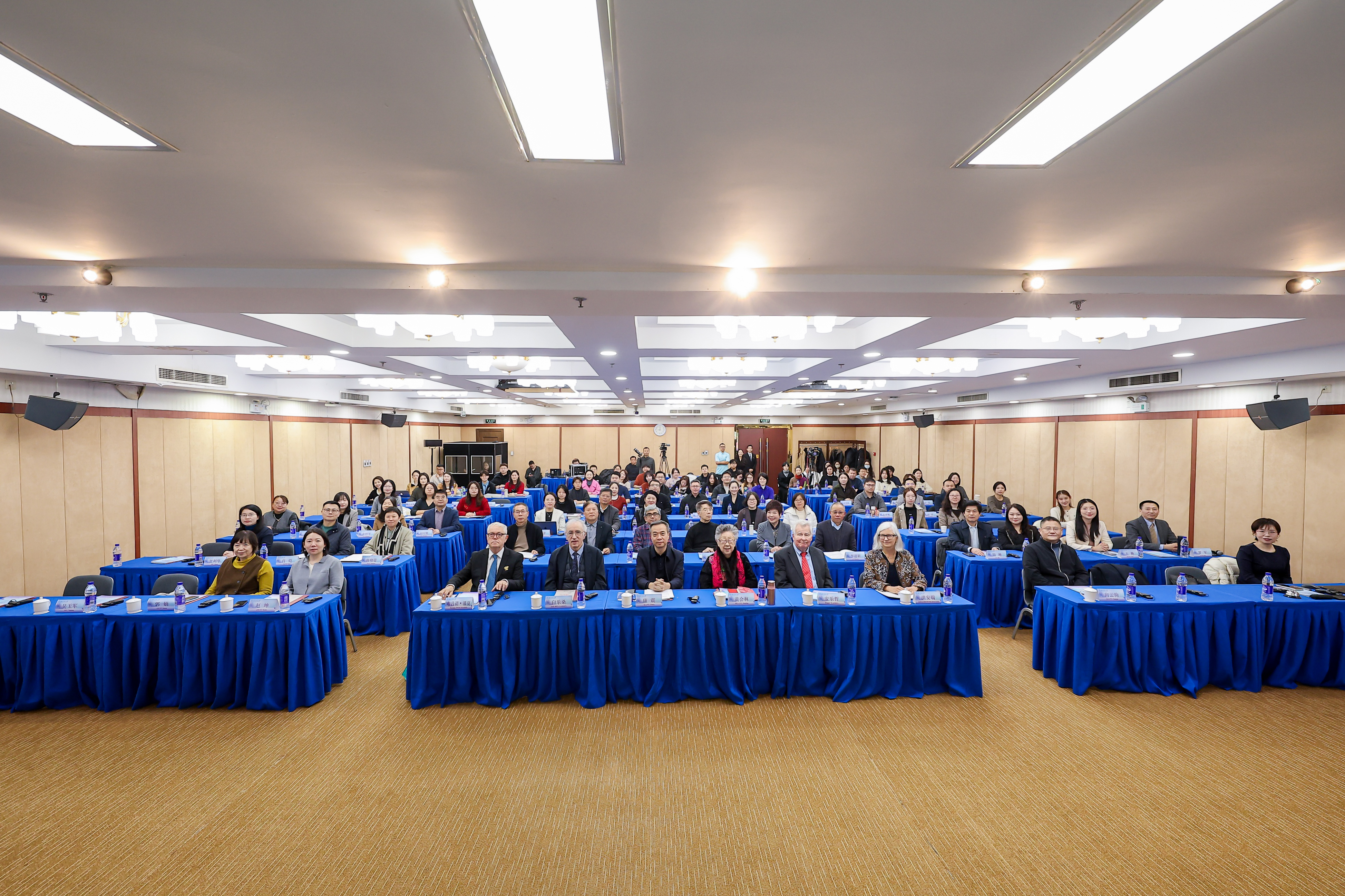
Group photo of all guests