

Integrating Chinese and Global Perspectives, Empowering Future Development: Dialogues between Sino-US Educational Administrators
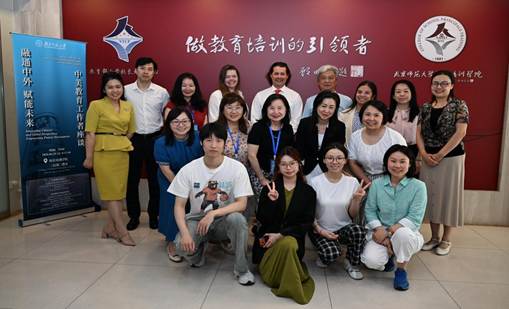
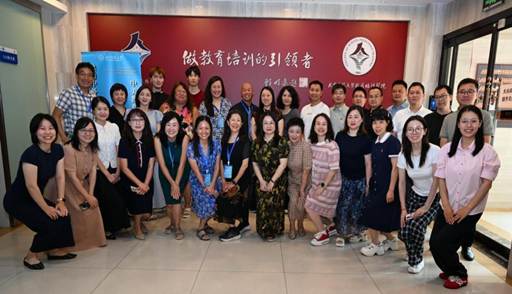
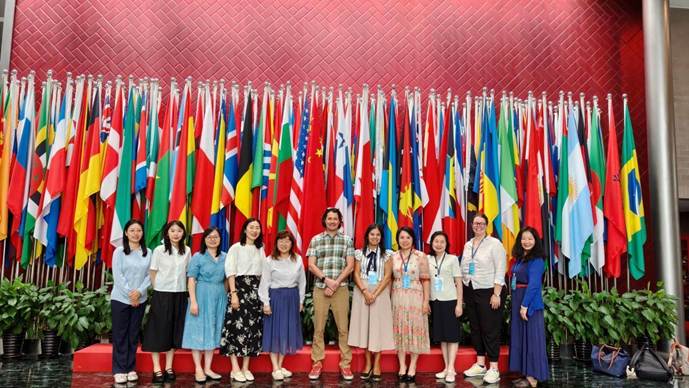
From June 22 to July 3, School of International Chinese Language Education at Beijing Normal University hosted two U.S. education administrator delegations. Centered on the theme of "Integrating Chinese and Global Perspectives, Empowering Future Development", the event featured two flagship dialogues on K-12 classroom practices in both countries and potential new cooperation pathways, with supporting activities including site visits to local schools, Ed-Tech tours, and cultural immersion, in an effort to build and strengthen a dialogue-exchange platform for Chinese and American education administrators.
Two Flagship Dialogues: Core Segment
The core activities of the event were the Sino-U.S. educators dialogues. The participants included over 50 education administrators from across all academic levels in the United States, and from the primary and secondary schools and kindergartens in Beijing and Sichuan Province, China. The College of School Principals Training of BNU provided substantial assistance in organizing the Chinese school principals.
Simultaneous interpretation allowed the conversation to flow freely on topics including educational philosophy, bilingual teaching, AI‑empowered smart education, and international talent cultivation. Ranging from strategic issues such as student assessment, teacher development, and textbook selection to day‑to‑day practices such as subject instruction, supervision of electronic devices use, and classroom management, the dialogues were both substantive and constructive.
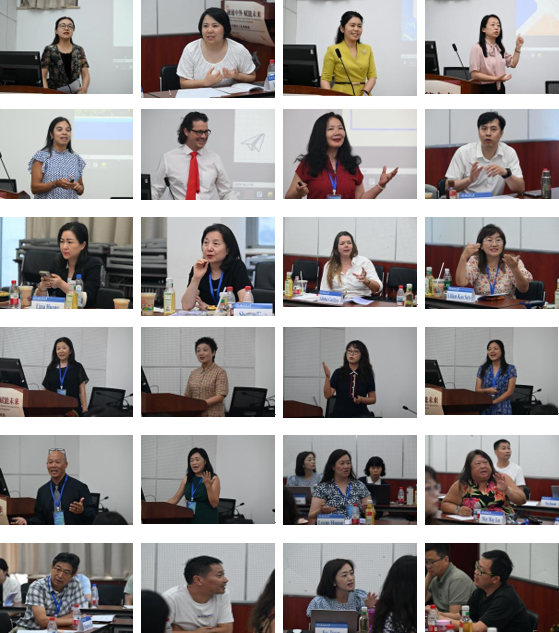
The talks opened new avenues for Sino-U.S. basic education cooperation, building consensus on bilateral teaching research, student and teacher exchanges, and sister‑school partnerships — all of which will sustain long‑term educational development and people‑to‑people ties between the two nations.
Site Visits to Local Schools: Grounding the Dialogue in Practice
To move the conversation beyond the panel room, the delegations toured local schools. They visited BNU Digital Education Resources Center to explore the latest AI‑assisted teaching tools, and stopped by the School of International Chinese Language Education to learn about student research projects and global talent development initiatives.
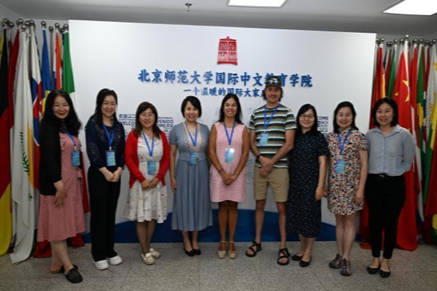
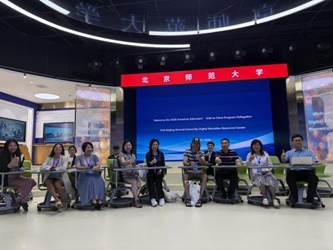
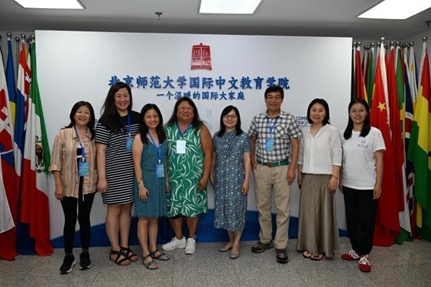
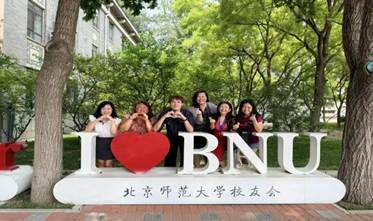
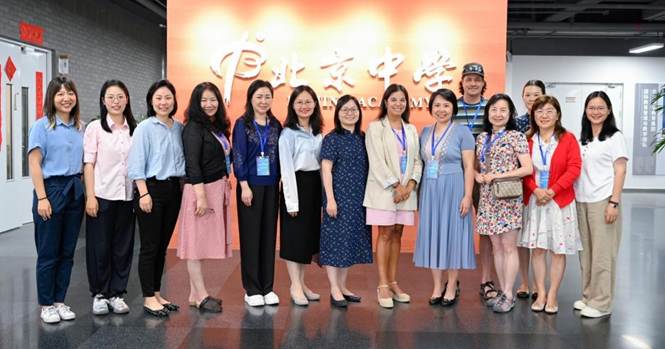
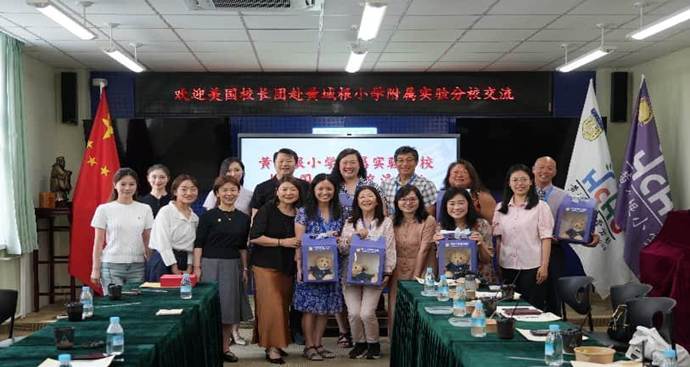
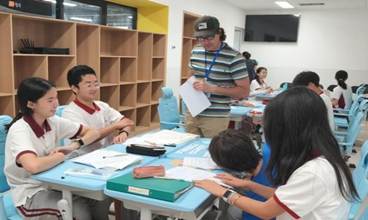
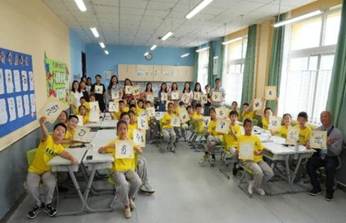
The administrators visited the International Division of Beijing Academy and the Experimental Branch of Huangchenggen Primary School. They observed AP English class and English language class integrated with Chinese traditional culture. Through direct exchanges with front-line teachers, they gained practical insights into differentiated instruction and culture‑based pedagogy — experiences that enriched the discussions at the main panel dialogue.
Visiting CLEC: Advancing Global Chinese Education
The delegation also visited the Center for Language Education and Cooperation (CLEC), where they toured the cultural experience space and learned about CLEC's global network for Chinese language teaching and its support systems for overseas educators. The two sides exchanged views on common challenges in overseas classrooms and the development of standardized teaching materials — relevant topics that were later carried forward in the BNU panel dialogue.
Yizhuang Tech Tour: Enriching the Real‑World Context for AI Education
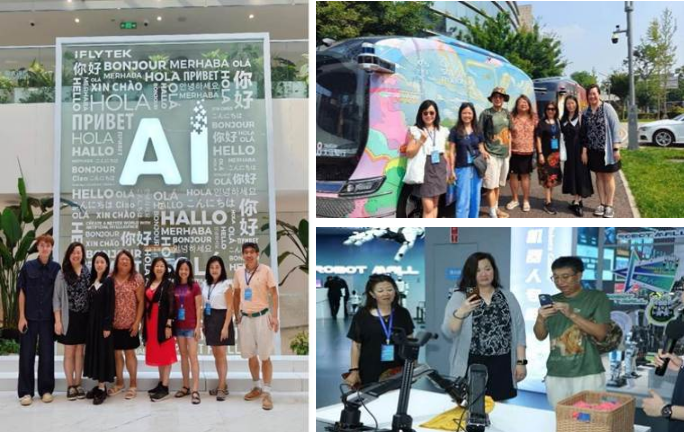
The delegation traveled to Beijing’s Yizhuang district, where they tested autonomous vehicles, and interacted with smart robots in various scenarios. They also tried out iFLYTEK’s smart teaching devices. These hands‑on tech experiences offered real‑world examples that fed directly into the panel’s dialogues on AI‑enabled classrooms, and expanded the scope of Sino-U.S. cooperation in smart education.
Cultural Immersion: Deepening Cross-Cultural Dialogue and Understanding
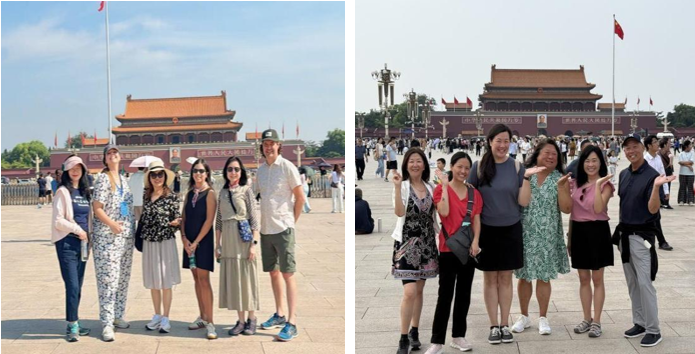
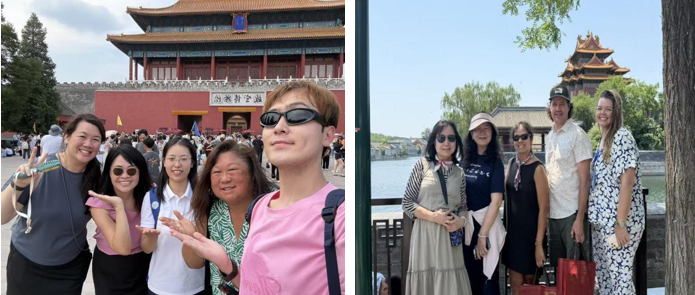
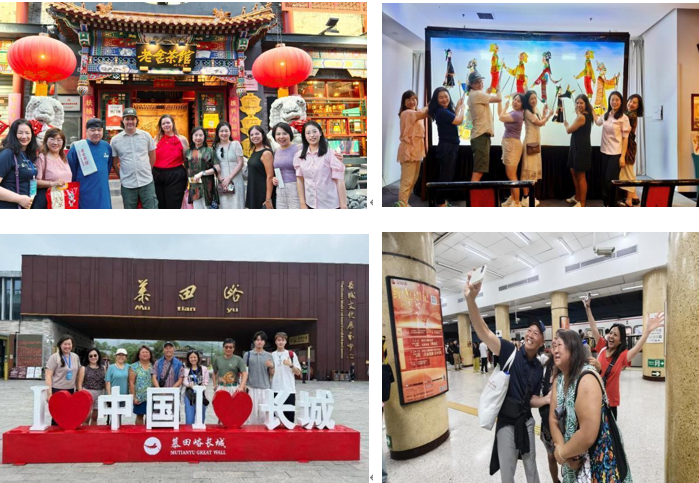
The delegates toured the Great Wall, the Forbidden City, and Qianmen historic street. They also experienced the intangible cultural heritage of shadow puppetry at the Lao She Teahouse, tried local dishes, and took public transit. The experience — from ancient landmarks to modern city life — gave them a richer understanding of China, which in turn informed the cross‑cultural dialogue during the panel dialogues.
The two-phase visits created a model that combined a core panel dialogue with hands‑on site visits. U.S. delegates said the dialogues were highly rewarding and that they would share their insights and classroom experiences with colleagues back home. Their Chinese counterparts noted that the in‑person dialogues offered a level of warmth and connection rarely found in other international exchanges.
Moving forward, School of International Chinese Language Education at BNU will endeavor to host more Sino-U.S. educational dialogues on a regular basis, advancing joint initiatives like teacher training and cross-border study programs to build mutual trust and educational connectivity through languages.