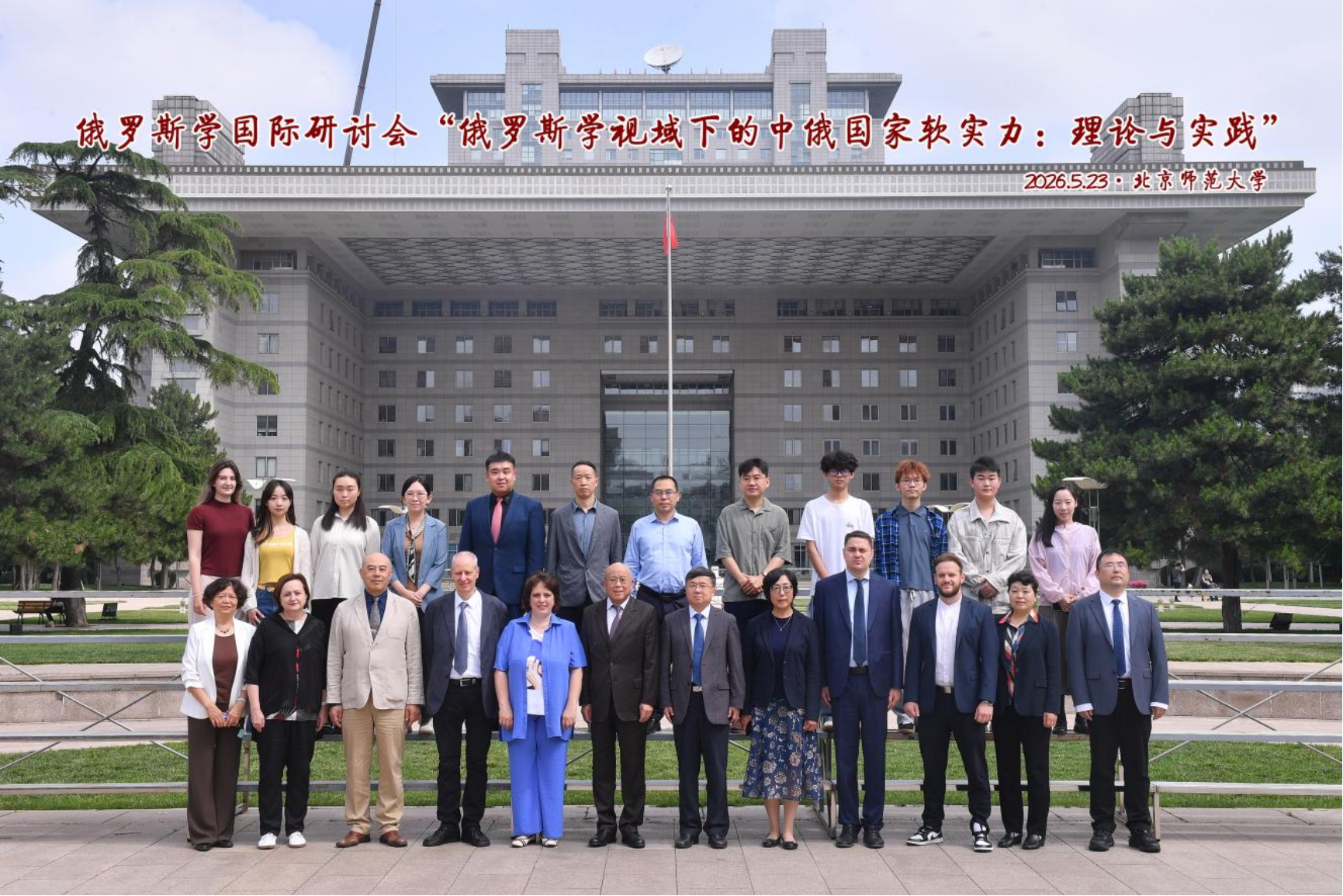

Beijing Normal University Hosts the International Symposium on "China-Russia National Soft Power from a Russian Studies Perspective: Theory and Practice"
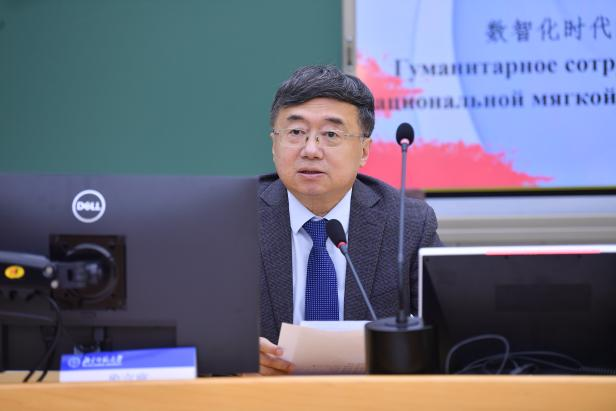
On May 23, the international symposium "China-Russia National Soft Power from a Russian Studies Perspective: Theory and Practice," jointly organized by the Beijing Normal University Russian Research Center (a national and regional research base under the Ministry of Education) and the Moscow State Institute of International Relations, was held at Beijing Normal University. The year 2026 marks the inaugural year of the China-Russia Years of Education and the 30th anniversary of the establishment of the China-Russia strategic partnership. On this occasion, multidisciplinary experts and scholars from China, Russia, and Germany gathered to discuss the essence, theoretical foundations, and practical experiences of national soft power. The opening ceremony was chaired by Liu Juan, Director of the Beijing Normal University Russian Research Center.
Vice President Chen Xing of Beijing Normal University and Director Wu Danna of the Beijing Russian Cultural Center delivered opening speeches respectively. Chen Xing stated that, against the backdrop of the 30th anniversary of the China-Russia Strategic Cooperative Partnership and the launch of the China-Russia Years of Education, it is timely to explore the theories and practices of the soft power between the two nations. He noted that the Russian Research Center at Beijing Normal University, as one of the first country and regional research bases designated by the Ministry of Education, has become a vital platform for Sino-Russian cultural exchanges, and expressed hope that participating experts would contribute academic insights to advancing international fairness and justice through in-depth discussions. Wu Danna emphasized that the China-Russia Education Year officially launched during President Putin's recent visit to China has elevated bilateral cooperation in education and science to a new level. She stressed that cultural mutual learning and soft power development serve as fundamental pillars of Sino-Russian friendship, adding that the Russian Cultural Center will continue to provide an open platform for academic and cultural dialogue between the two countries, fostering stronger ties.
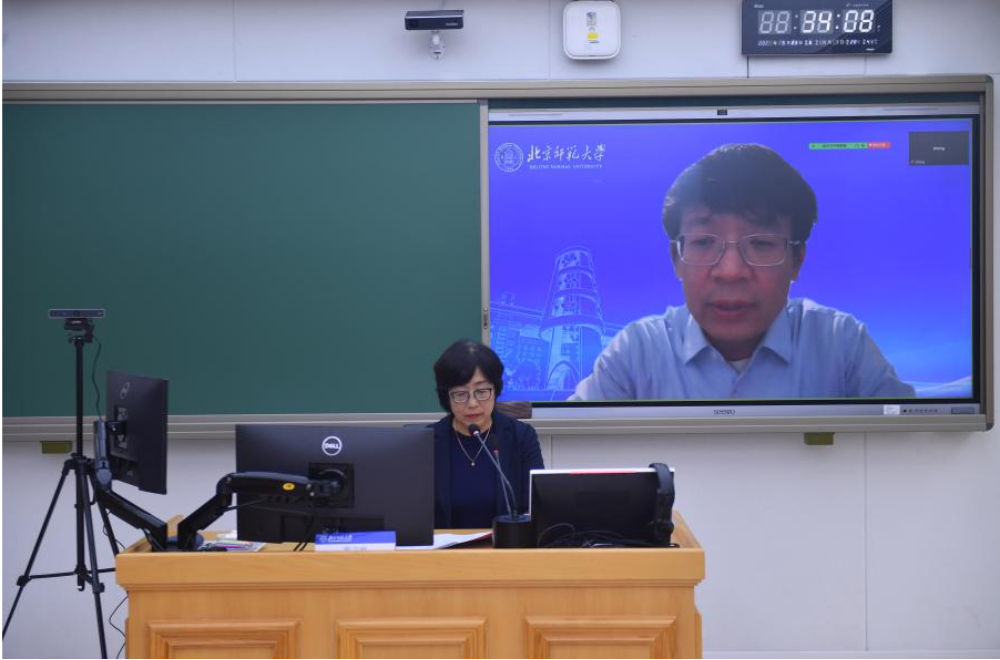
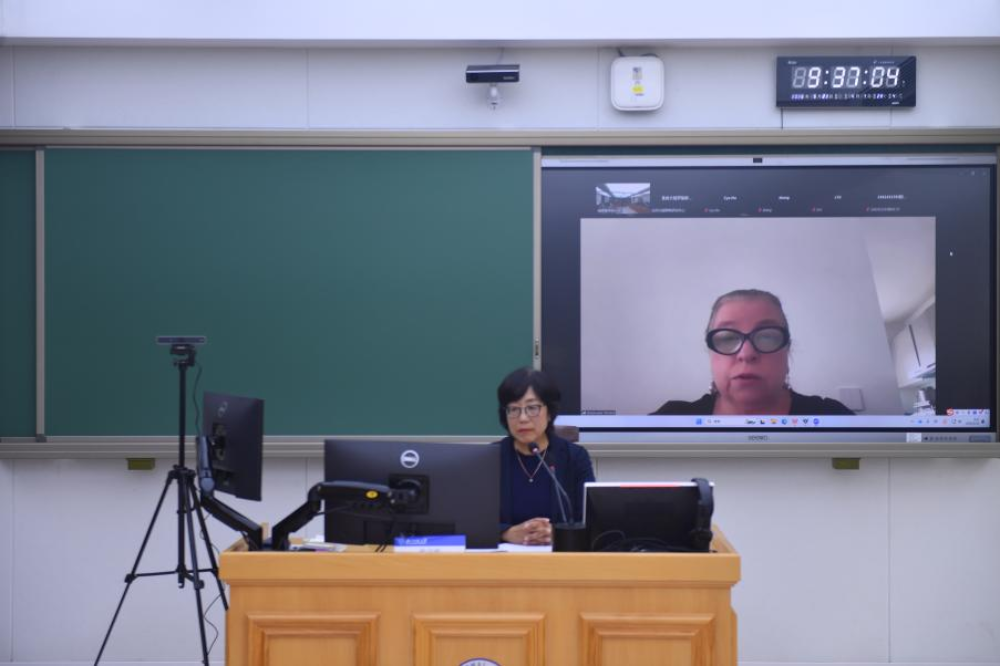
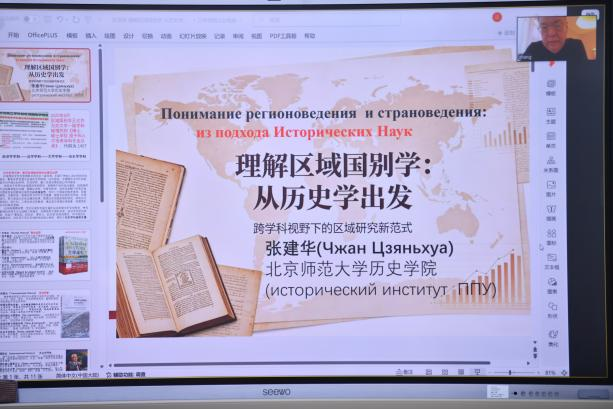
The meeting was divided into two halves. Experts in attendance exchanged views and discussed topics including practical research on Sino-Russian cultural exchange and humanistic exchanges between China and Russia.
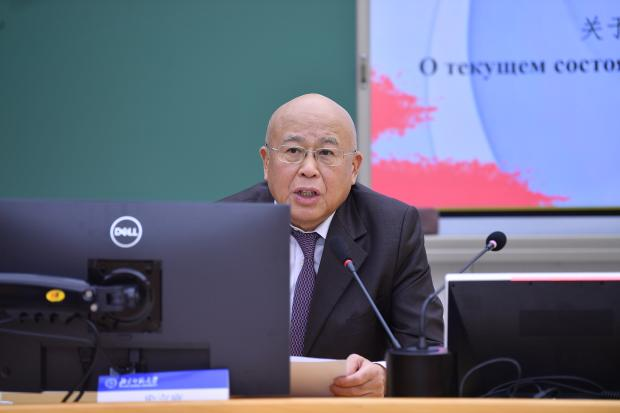
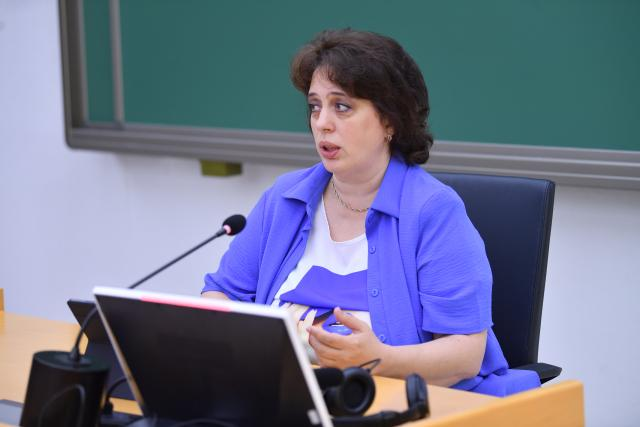
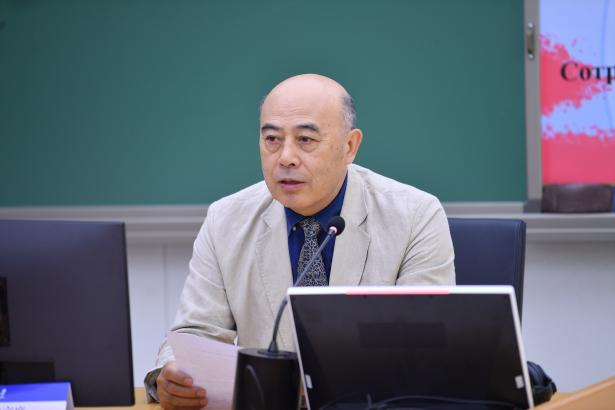
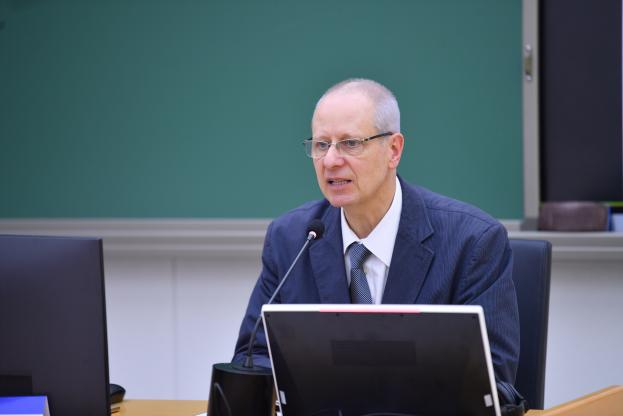
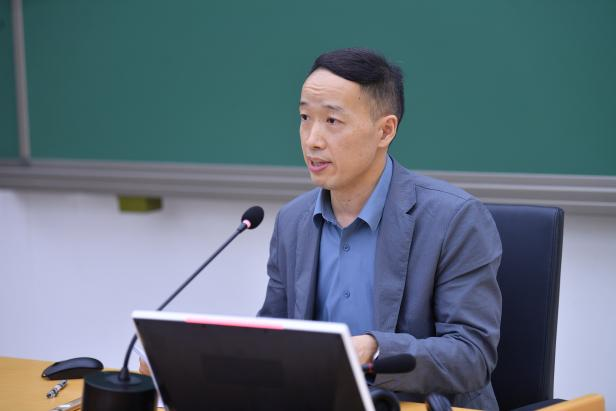
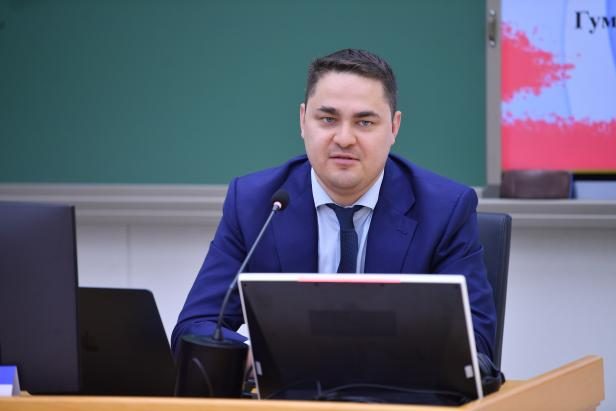
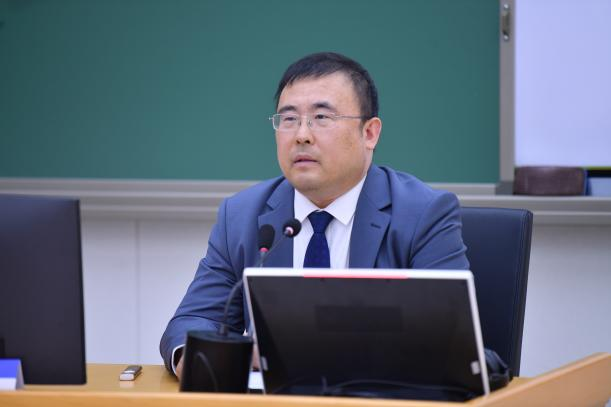
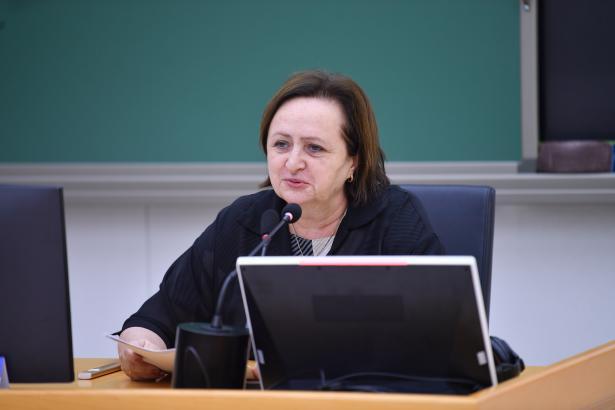
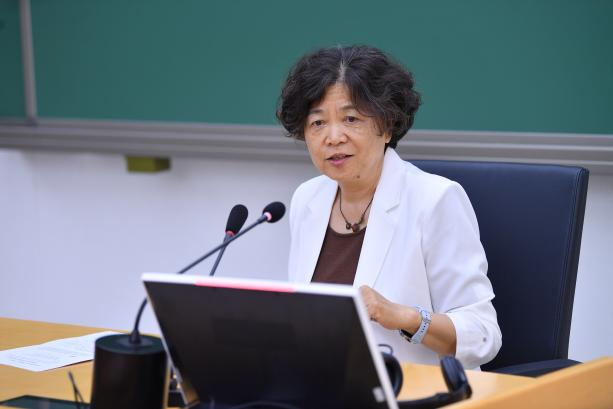
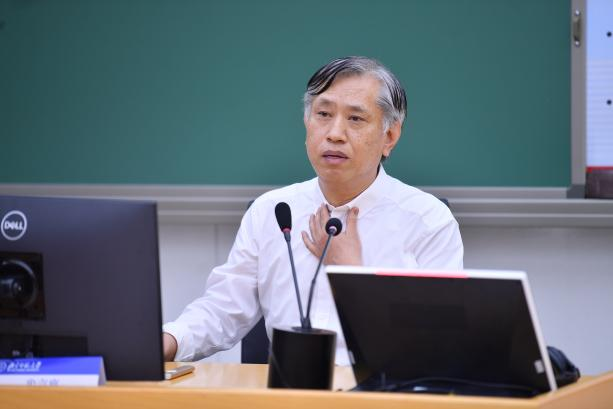
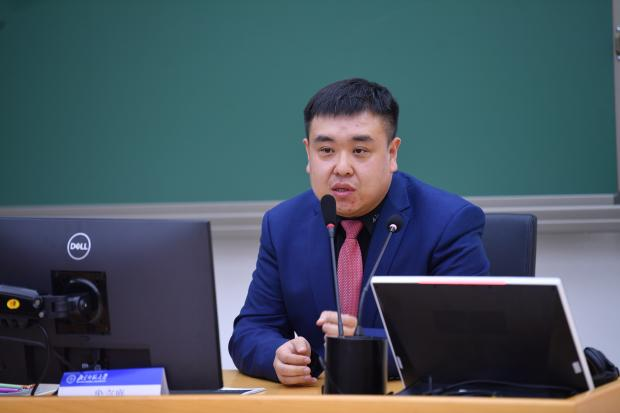
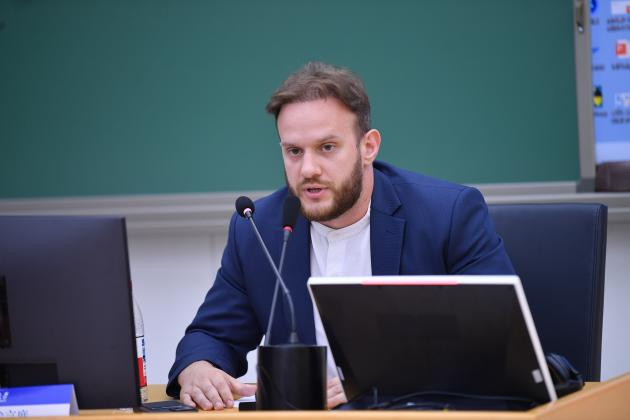
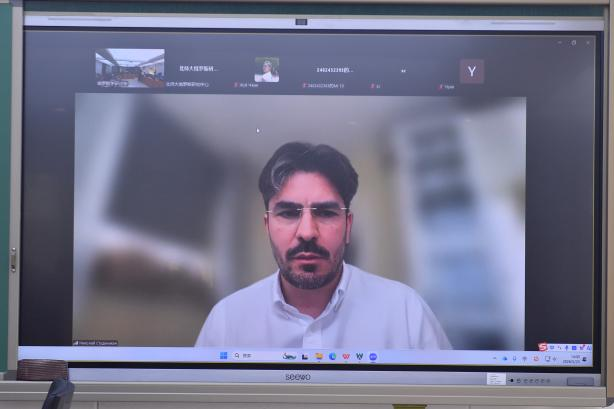
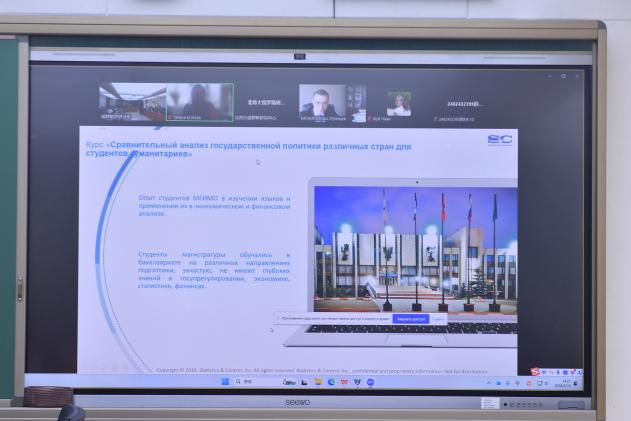
Liu Juan presided over the closing ceremony and summarized the conference. She emphasized that "soft power" is not merely a metaphor but a philosophical concept concerning the world order, and its discussion holds significant practical implications. The conference encompassed multiple disciplines and brought together experts from various fields; the convergence of diverse insights enabled the symposium to achieve its intended outcomes.
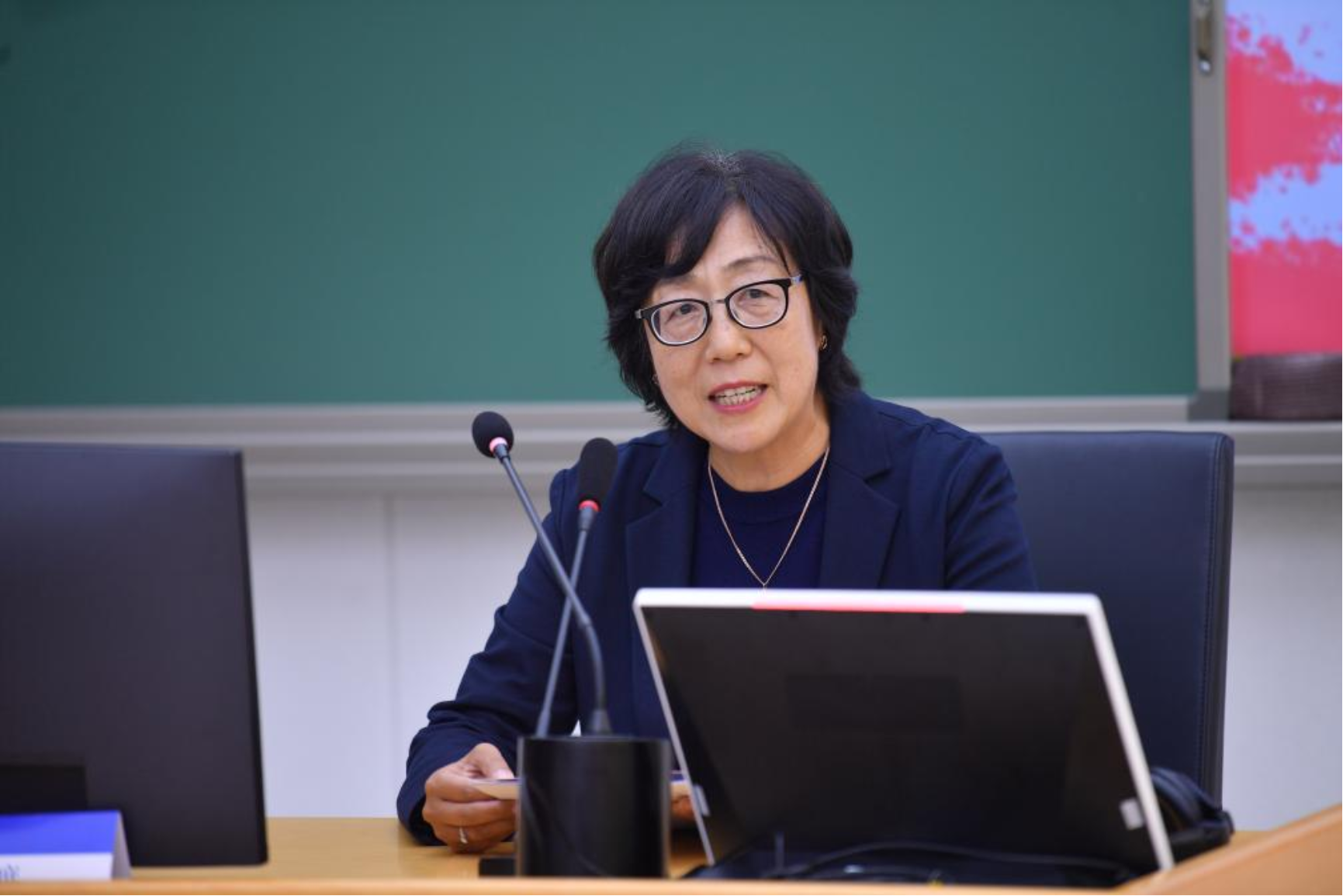
И. Ш. Пугинцев, Vice President of the Moscow State Institute of International Relations, delivered the closing address at the conference. He noted that the seminar was held shortly after Russian President Vladimir Putin's visit to China, enabling more productive discussions on issues of practical significance. He emphasized that the event served as a vital platform for bilateral dialogue, fostering collaboration between China and Russia in education, science, and diplomacy. He also reviewed the institute's achievements over the past year in promoting cultural exchanges between the two nations, highlighting how education can empower leaders capable of shaping a future that transforms humanity's destiny.
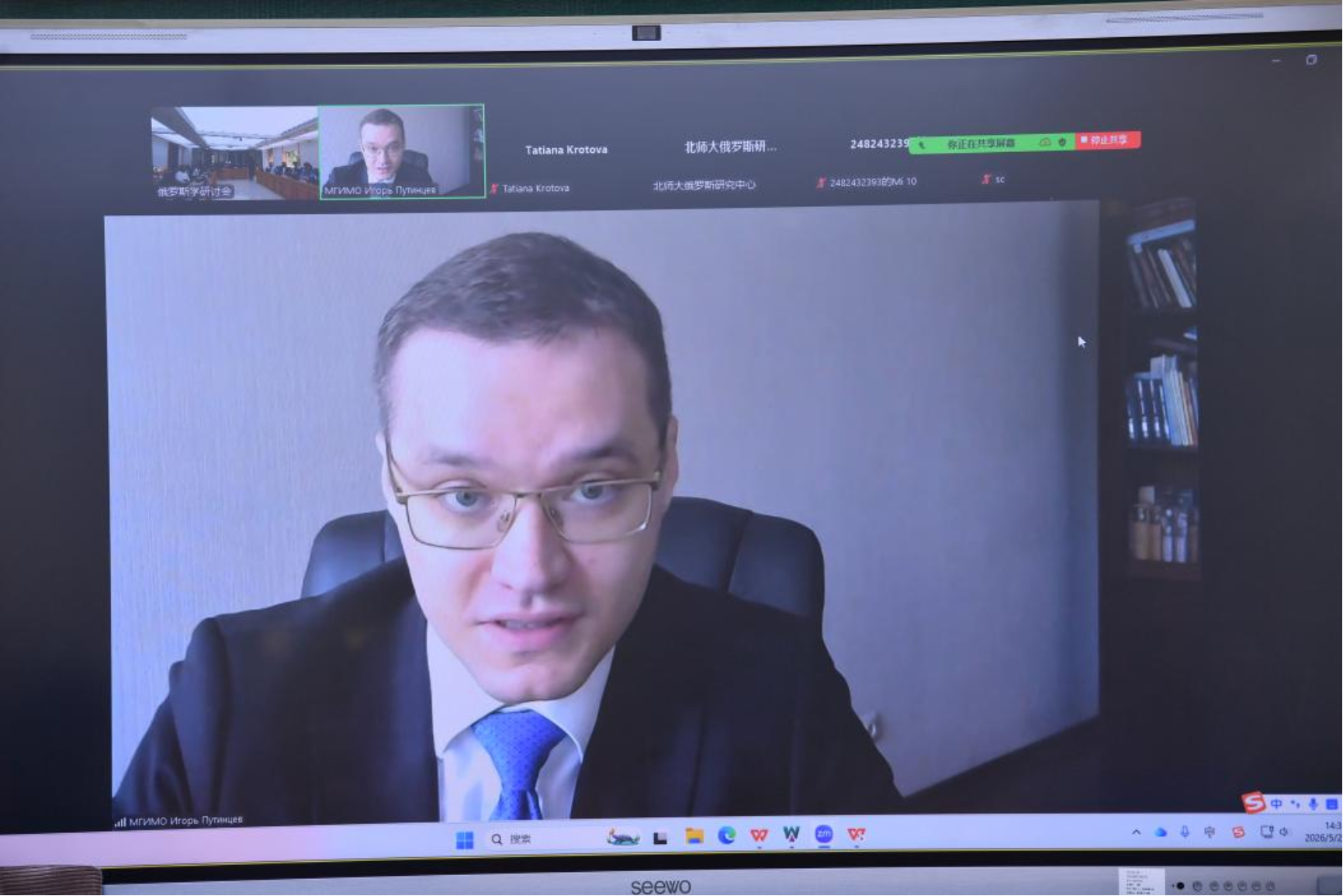
This seminar focuses on national soft power, aligning closely with the China-Russia Year of Education. The in-depth collaboration between Chinese and Russian scholars holds significant importance for advancing cultural exchanges between the two nations. The Russian Research Center at Beijing Normal University will continue to serve as a platform facilitating academic interactions between Chinese and Russian scholars.